Early literacy is built upon the foundation of recognizing letter shapes and their corresponding sounds. Incorporating unique tools like Venn diagram worksheets helps young learners categorize phonics concepts while developing critical thinking skills through engaging visual comparisons.
Using Venn diagram worksheets for alphabet practice represents a creative shift from traditional, repetitive drill-based activities. By asking children to sort letters or images based on their phonetic properties, these printables encourage them to analyze how sounds overlap or remain distinct. This approach is particularly effective for children in preschool or kindergarten who are ready to move beyond simple letter recognition and start exploring the relationships between consonants and vowels in a more structured, logical manner.
Why Venn Diagram Worksheets Matter for Phonics
These activities help children practice identifying initial sounds, vowel types, and even letter formations by sorting them into categories. For example, a student might place words starting with a specific letter in one circle, while words containing a different target sound go into the other, with shared sounds placed in the overlapping middle section. This visual mapping reinforces memory retention and helps students grasp the nuances of phonics in a way that standard handwriting practice cannot always achieve on its own.
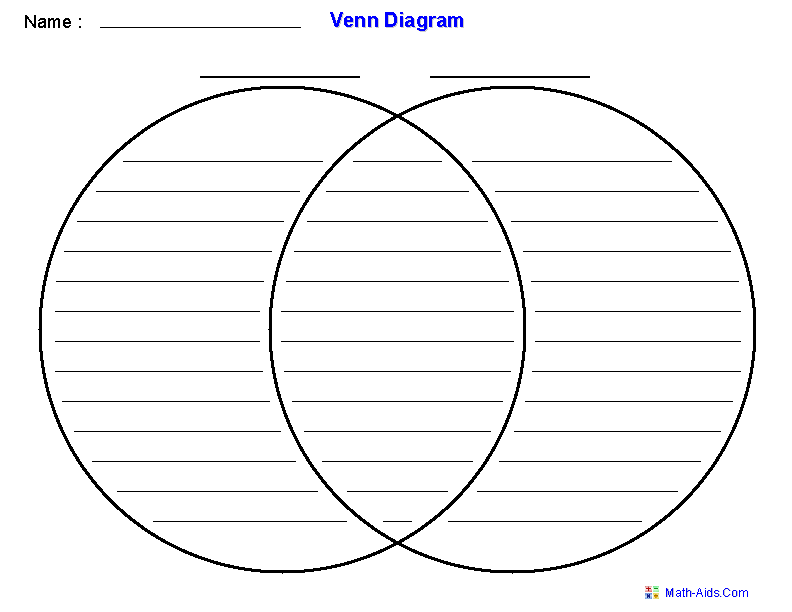
In a classroom setting, these resources serve as excellent tools for small group instruction or guided practice during literacy centers. Teachers can introduce the worksheet to explain the concept of commonalities between letters, such as separating letters with curves from those made of straight lines. Because these printable learning activities are so versatile, educators can easily adjust the difficulty level based on whether the class is focusing on basic letter recognition or moving toward more complex sound blending tasks.
Supporting Independent and Guided Learning
At home or in a homeschool environment, these worksheets offer a wonderful opportunity for one-on-one interaction between a parent and child. Younger learners might need an adult to read the prompts aloud and help them identify the pictures or letters before they begin writing or cutting and pasting. As the child gains confidence, they can use the worksheets more independently, which fosters a sense of accomplishment and builds the focus required for longer academic sessions in the future.
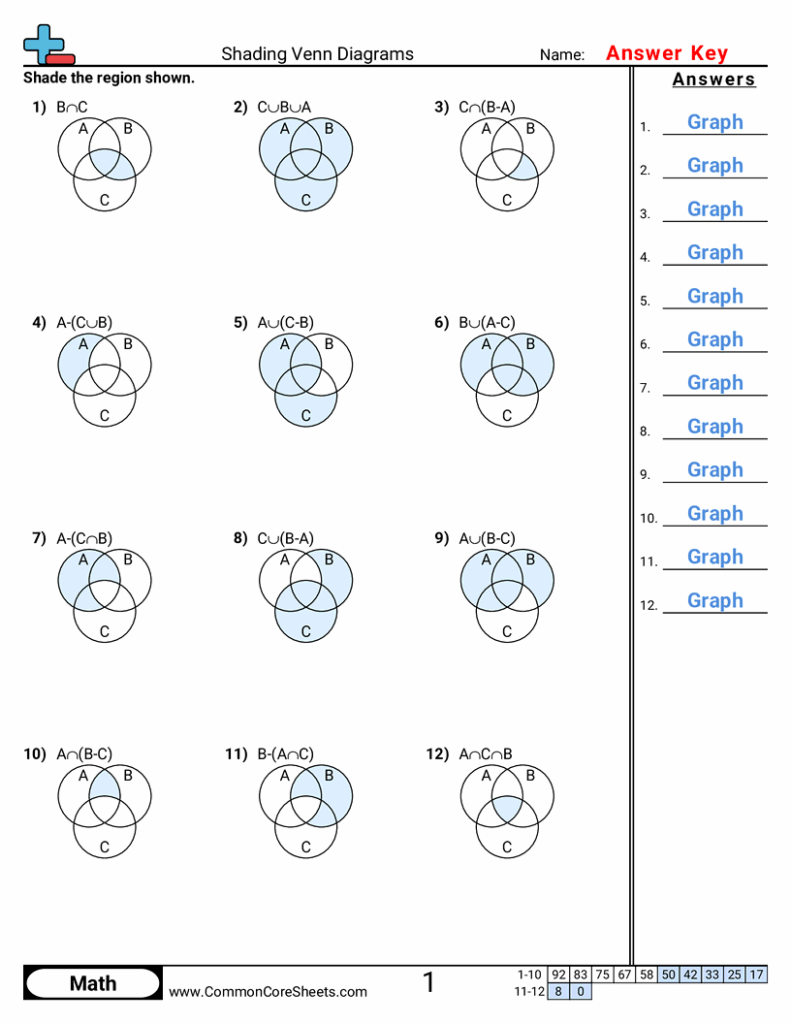
The beauty of using these diagrams lies in how they transform abstract letters into concrete visual tools for early readers. When a child sees the intersection of two circles, they are physically engaging with the concept of shared characteristics, such as two different letters that produce the same sound. This tactile experience is a staple of effective kindergarten activities, ensuring that students are not just memorizing characters but actually internalizing the rules of our language through careful observation and sorting.
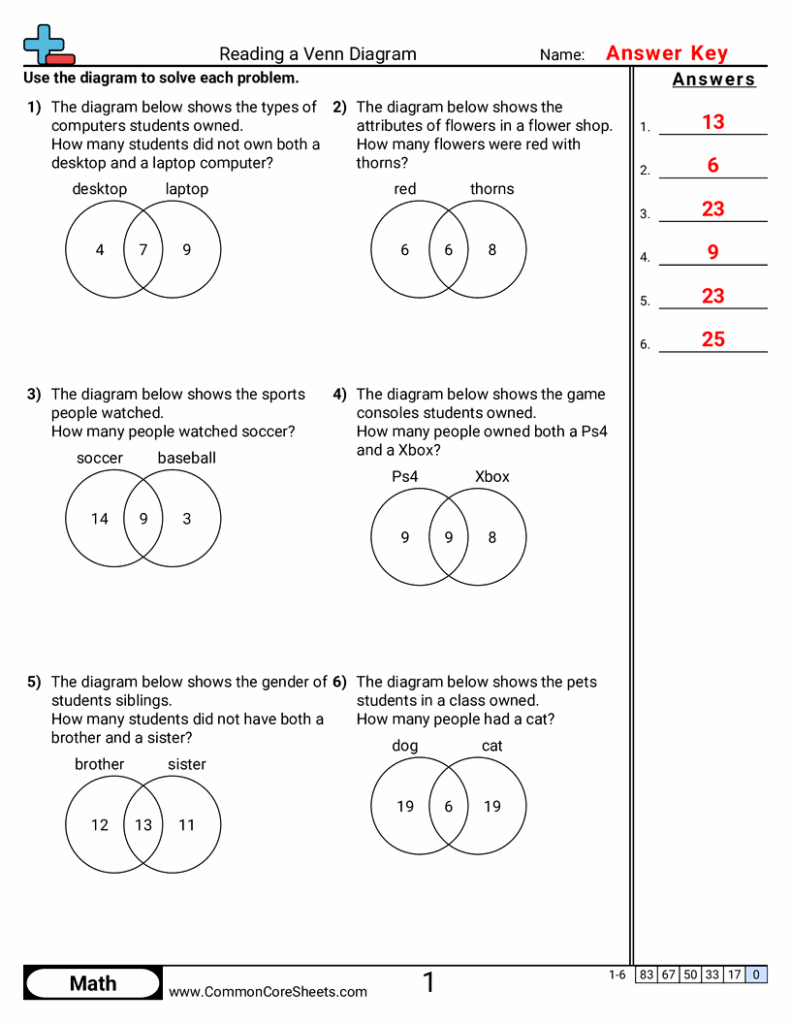
Beyond the paper, you can extend this learning by creating physical Venn diagrams on your floor using hula hoops or masking tape. Gather various household objects or toys that start with two different letters, such as items starting with B and items starting with P. Encourage your child to place the objects in the appropriate hoops, leaving the middle space open for items that might share a sound or a specific color, turning a static worksheet into a dynamic, full-body learning experience.
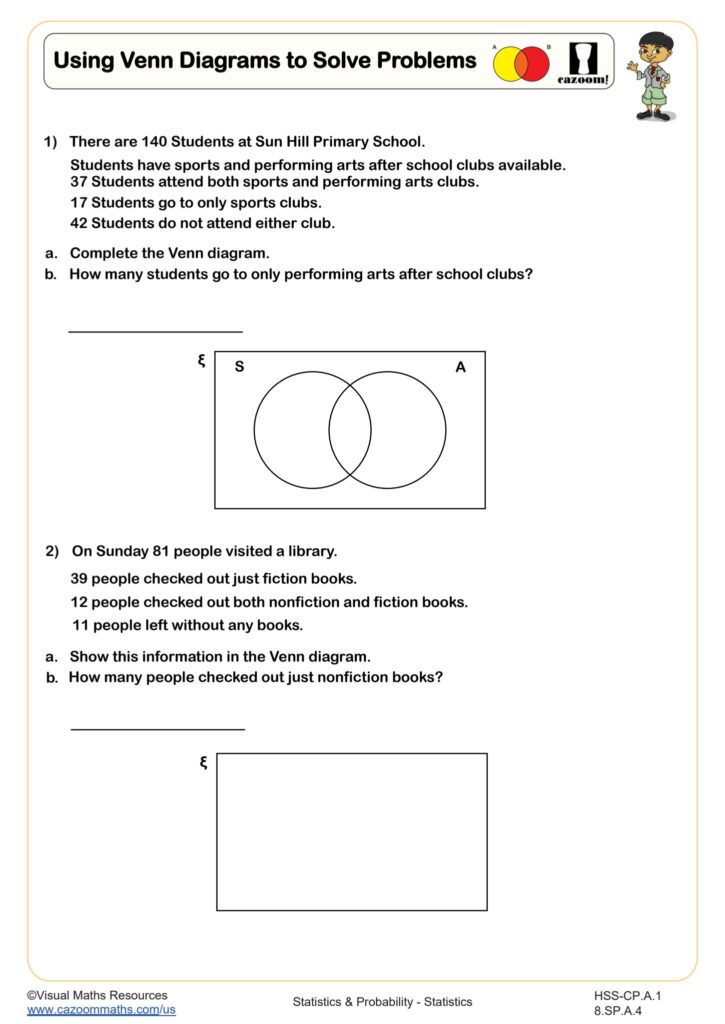
Another great follow-up activity is a nature scavenger hunt where children collect leaves, rocks, or twigs that fit into specific categories you have defined. After the hunt, sit down with your worksheet and draw the items they found, labeling them with the corresponding letters to reinforce what they learned outside. This bridge between outdoor exploration and indoor academic practice helps solidify their understanding that letters and sounds exist everywhere in the world around them.
By integrating these specialized worksheets into your routine, you are providing a robust framework for long-term reading success. Whether you are prepping for the first day of school or supplementing a current curriculum, these tools simplify the complexity of the alphabet. Enjoy the process of watching your young learner make these important connections as they build their confidence and prepare for a lifetime of reading and writing adventures.