Children often experience overwhelming emotions when negative thoughts take hold. Using a thought distortions worksheet can help them identify these patterns, allowing them to shift their perspective and develop emotional resilience during stressful moments.
Understanding the Thought Distortions Worksheet
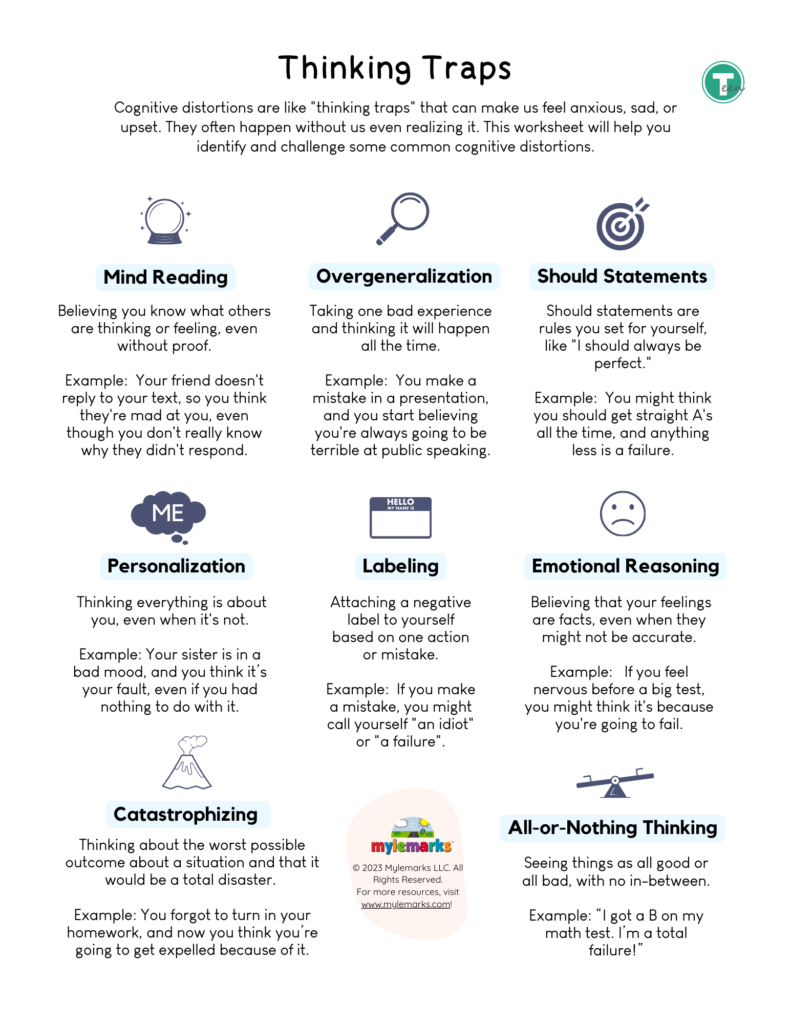
This resource is designed to teach children that our brains sometimes play tricks on us by blowing small problems out of proportion. The worksheet breaks down common cognitive traps, such as all-or-nothing thinking or jumping to conclusions, in a way that is easy to understand. By documenting these moments, children learn to label their internal monologue rather than being controlled by it. It serves as a bridge between abstract feelings and concrete self-awareness, providing a safe space to process difficult emotions on paper.
Core Skills and Emotional Awareness
The primary goal of this activity is to build cognitive reframing skills. When a child practices identifying a distortion, they are essentially hitting the pause button on their initial emotional reaction. This exercise helps them evaluate the evidence for their thoughts, teaching them to ask whether a worry is based on fact or merely a feeling. Over time, this builds the habit of healthy self-reflection and fosters a more balanced approach to challenges at school or home.
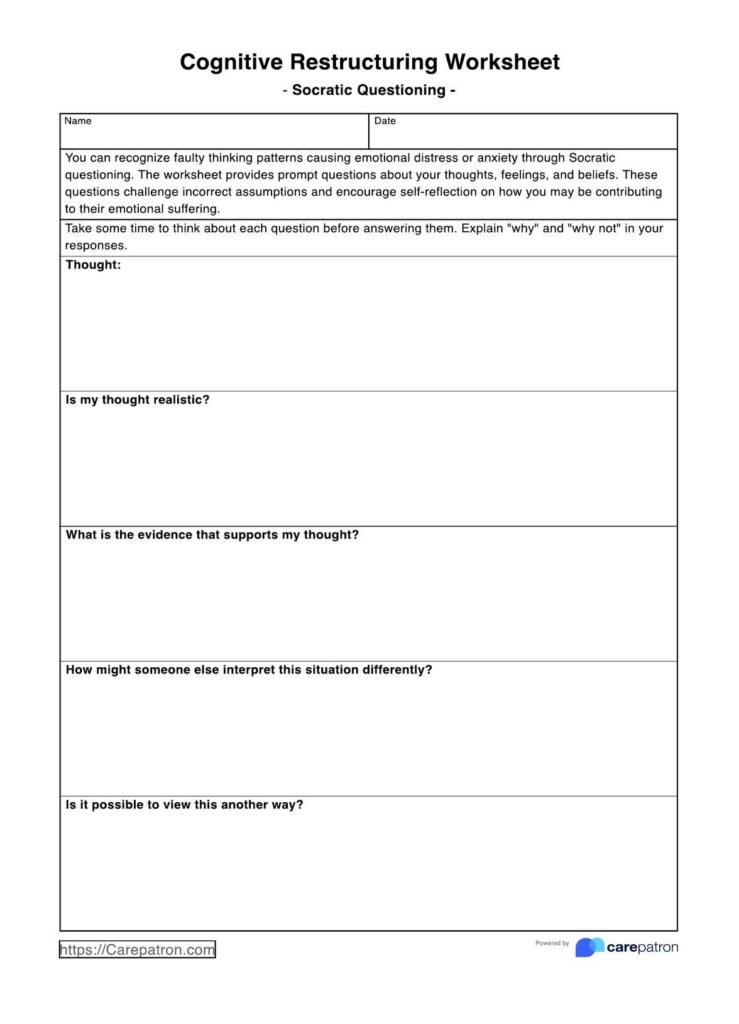
This tool is most effective for school-aged children, typically between the ages of eight and fourteen, who are beginning to develop metacognitive abilities. Teachers can introduce it during calm classroom moments or after a social conflict to help students reflect on their interactions. For parents, it is a great companion for one-on-one check-ins after a rough day. The key is to use it as a low-pressure tool for discovery rather than a rigid test, ensuring the child feels supported while they explore their inner world.
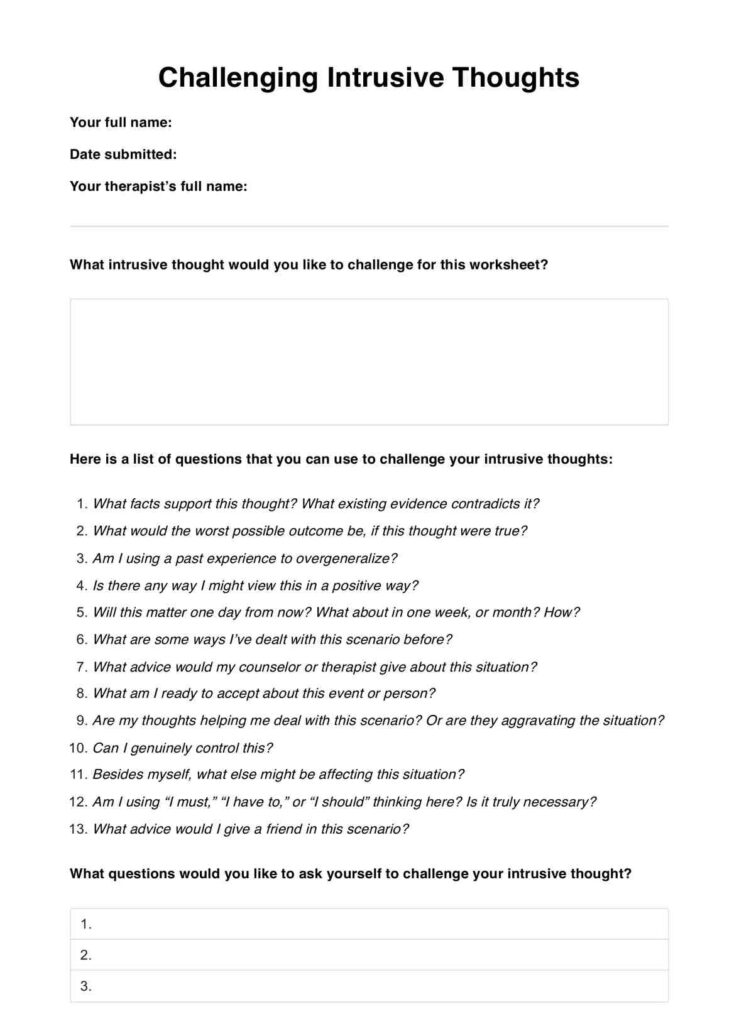
To make this practice more engaging, try pairing the worksheet with hands-on activities that externalize these thoughts. For instance, you could draw a cartoon character that represents the negative thought, giving it a silly voice or a funny name to take away its power. Another strategy involves reading books about characters who face similar anxieties and discussing how they might use the worksheet to solve their problems. Drawing the thought as a heavy rock and the reframed, positive thought as a lighter balloon can also make the concept of cognitive restructuring visually memorable.
Integrating these discussions into your daily routine helps normalize the idea that our minds can make mistakes. By talking openly about your own experiences with irrational thoughts, you model vulnerability and show your child that everyone struggles with internal biases. When a child learns to catch these distortions early, they gain a powerful tool that carries over into their friendships, academic performance, and overall confidence. Watching them move from impulsive emotional responses to thoughtful consideration is one of the most rewarding parts of supporting their growing mind.