Developing a strong foundation in number sense is a milestone for young learners. Using high-quality part and whole worksheets provides children with the visual structure they need to grasp how numbers interact, eventually making complex addition and subtraction feel like second nature.
Why Use Part and Whole Worksheets
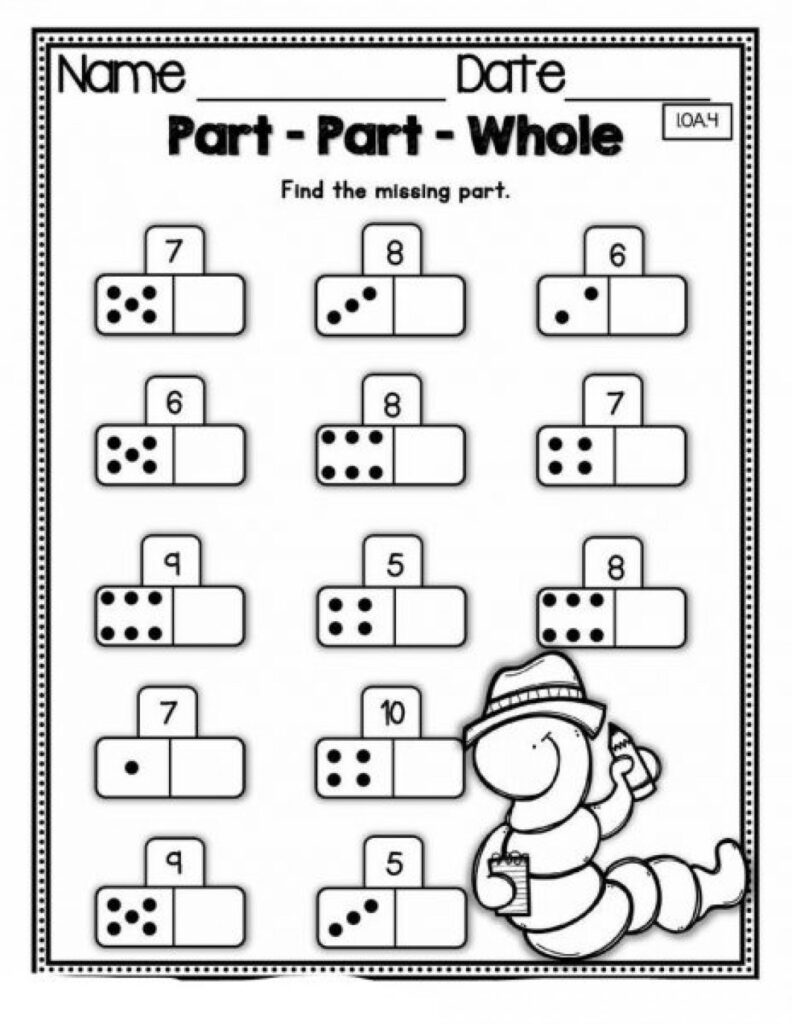
These printable resources are designed to help children visualize the relationship between a complete set and its individual components. By using diagrams like number bonds, students learn that a single total can be composed of smaller values. This conceptual shift is critical because it moves children beyond simple rote memorization and toward a deeper, intuitive understanding of how numbers fit together to form larger sums.
Key Skills and Developmental Benefits
When students engage with these activities, they practice essential decomposition skills that act as a precursor to algebraic thinking. They begin to identify missing addends and recognize that the same total can be reached through various combinations of parts. This practice builds mental flexibility and reinforces the commutativity property of addition, where the order of the parts does not change the resulting whole.
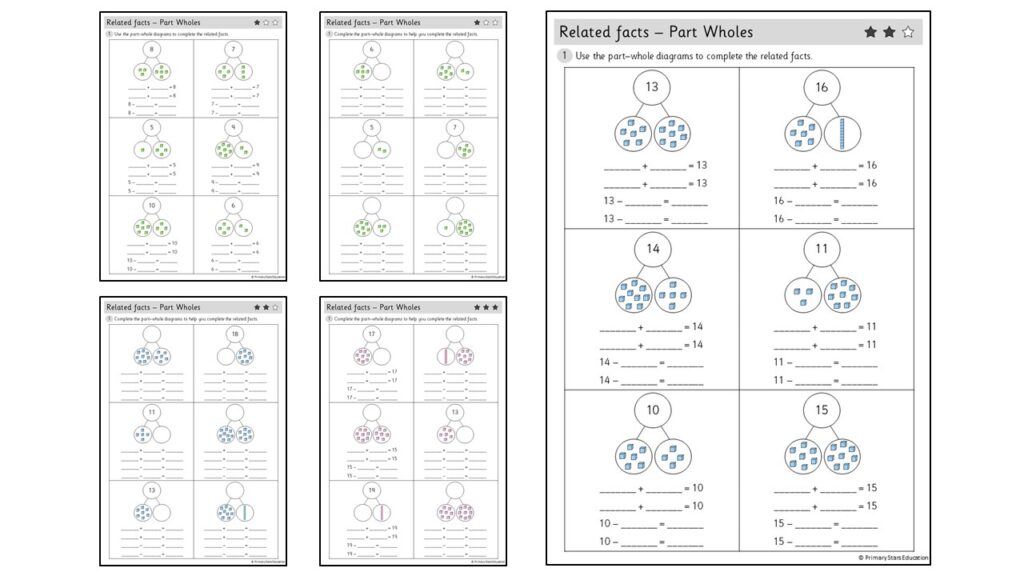
These materials are most effective for students in kindergarten through second grade who are transitioning from concrete counting to more abstract arithmetic. Teachers often use them during small-group instruction to identify which learners are struggling to visualize the grouping of numbers. For parents, these sheets serve as an excellent bridge between classroom concepts and home practice, offering a structured way to reinforce math fluency during quiet study time.
To get the most out of these resources, try pairing the paper exercises with tactile tools like counting bears, snap cubes, or even common household items like dried beans. If a worksheet asks the student to find the missing part, let them physically separate a pile of objects to match the numbers on the page. This multi-sensory approach solidifies the connection between the written symbols and the physical reality of the quantities they represent.
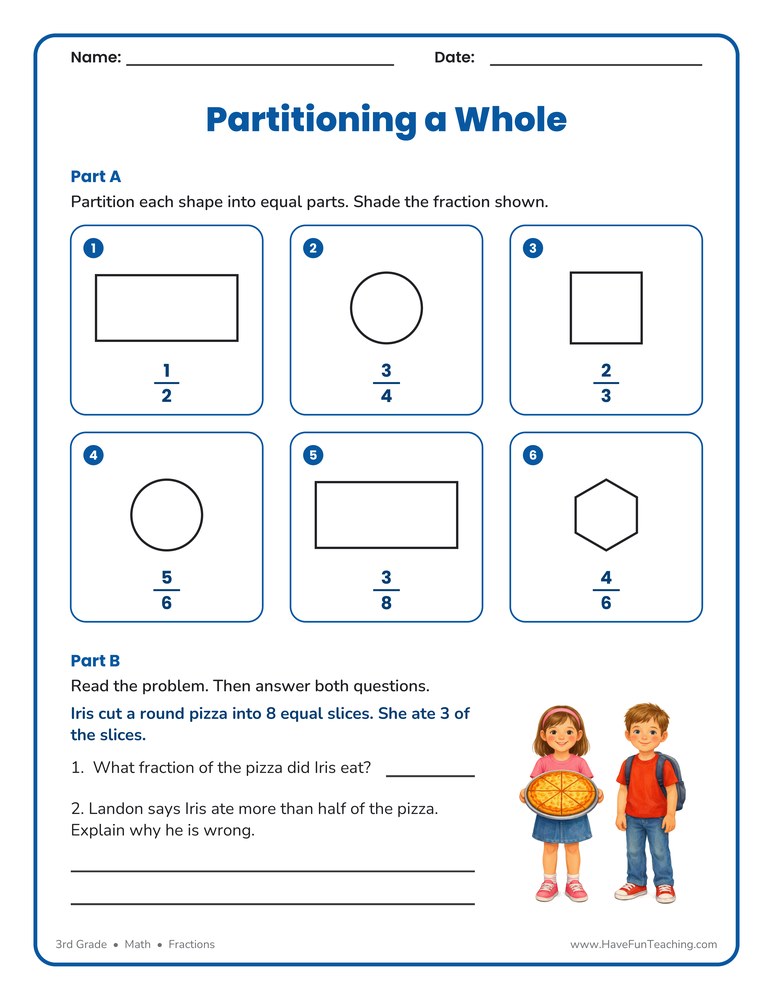
You can further extend the learning by turning the concepts into a narrative or game. Ask your child to draw a scene where a whole group of birds flies into two different trees, or have them tell you a story about parts joining together to make a whole. By incorporating drawing, oral storytelling, or even quick timed challenges, you turn a standard exercise into a dynamic learning session. Consistency is key, so keep these activities brief and encouraging to ensure your child remains confident as they navigate the building blocks of early mathematics.