Watching a child make the connection between a letter and its sound is one of the most magical parts of early childhood education. Using a structured worksheet phonics approach helps bridge that gap, turning abstract symbols into the building blocks of early literacy.
## Exploring the World of Worksheet Phonics
When we introduce a targeted activity, we are doing so much more than just filling out a piece of paper. A well-designed page allows children to practice letter recognition while simultaneously developing the fine motor skills needed for handwriting. By focusing on specific sounds, these exercises provide a predictable structure that helps young learners feel confident and capable as they navigate their alphabet. Whether we are tracing shapes or identifying beginning sounds, the repetition involved in these tasks creates a familiar rhythm that supports long-term retention of essential concepts.
What Skills Are Being Practiced?
These activities are designed to target several developmental areas simultaneously. Beyond basic letter identification, children work on their hand-eye coordination as they navigate the lines on the page. By matching images to their corresponding phonetic sounds, they also build phonemic awareness, which is a crucial precursor to reading success. Teachers and parents often notice that as children become more familiar with these patterns, they start to apply that knowledge to the world around them, such as identifying the first letter of their own name or the names of their favorite toys.
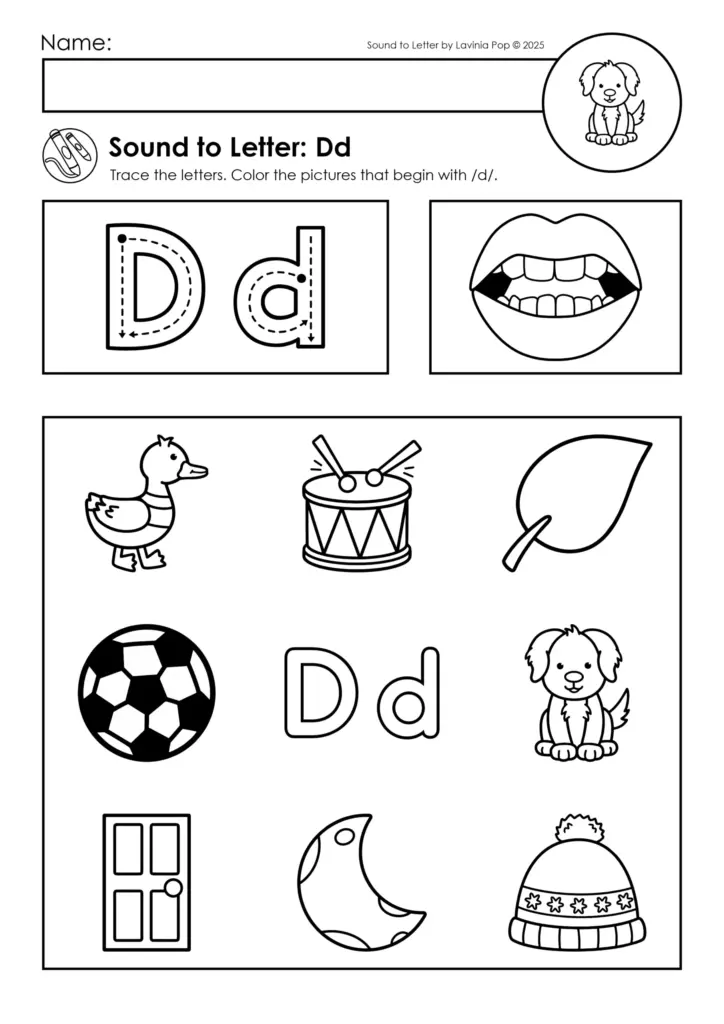
To introduce these pages effectively, start by setting a low-pressure environment where mistakes are simply part of the learning process. You might begin by saying the sound aloud together, tracing the letter with a finger, and then inviting the child to use their favorite crayon or marker. Keeping the session brief—ten to fifteen minutes is often plenty—ensures that the child remains engaged without feeling overwhelmed. It is always helpful to model the task first, showing them how you think through the process out loud as you work.
Making Learning Time Enjoyable
Worksheet time should never feel like a chore, so feel free to spice it up with a bit of creativity and movement. You could use colored pencils, chunky markers, or even let them use stickers to highlight the correct answer after they have identified the sound. Adding a tactile element, like tracing over letters with a bit of playdough or sand, can also reinforce the shape of the letters in their muscle memory. Remember that the goal is to create a positive association with learning, so praise their effort and curiosity rather than focusing solely on a perfect finished product.
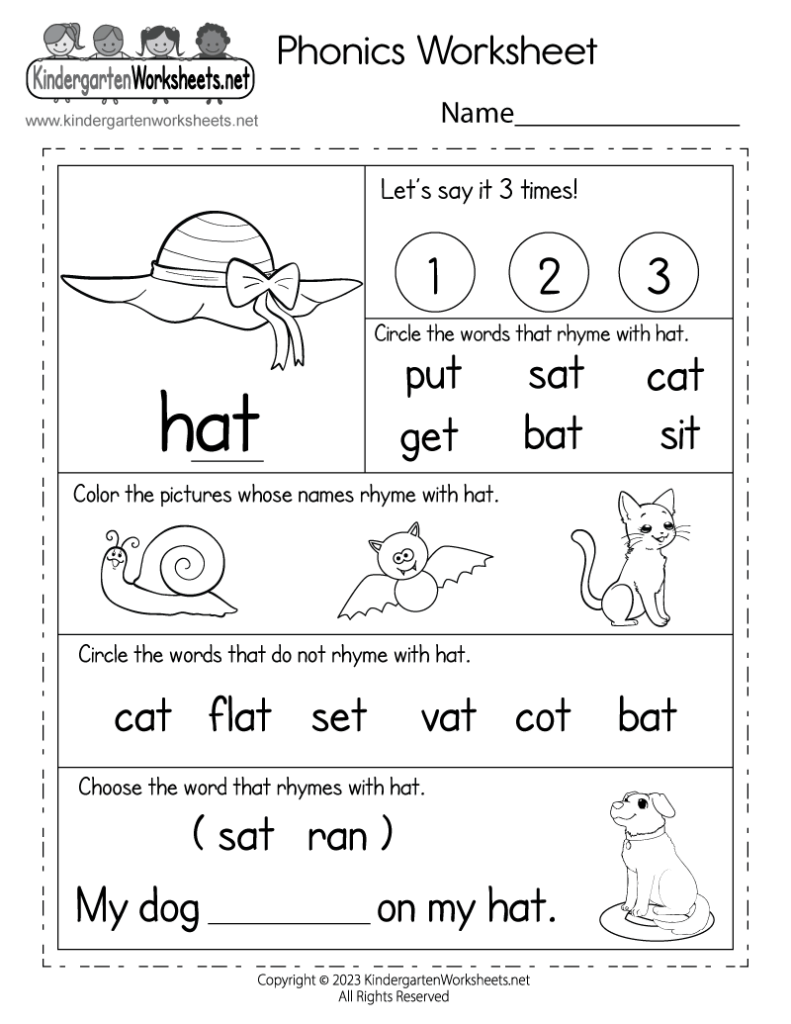
Integrating these tasks into your daily routine provides a consistent opportunity for children to practice focus and attention. Because these materials often include elements of colors, shapes, and counting, they offer a versatile tool for early kindergarten preparation. When a child completes a page, take a moment to celebrate their accomplishment by hanging it on the wall or sharing it with a family member. This builds a sense of pride and encourages them to approach future classroom activities with a willing and positive attitude.
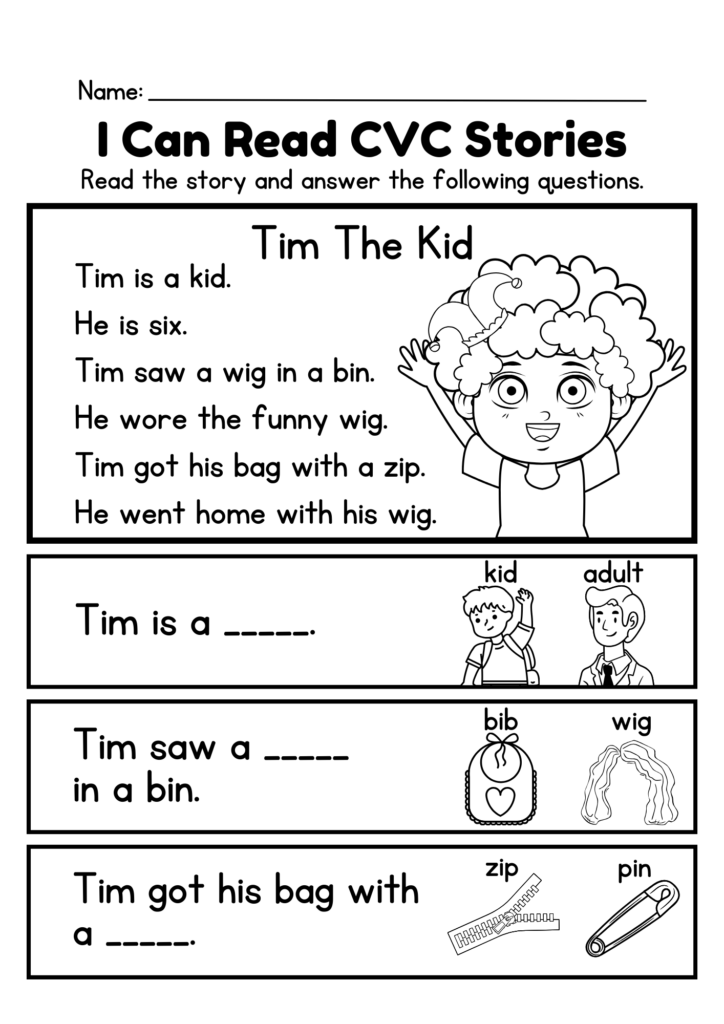
The true benefit of these materials lies in their ability to offer a tangible record of growth. As you collect these pages over several weeks, you will be able to see the progression in a child’s grip, their precision in following instructions, and their growing comfort with letter sounds. This visual proof of progress is encouraging for both the adult and the child, providing a clear map of how far they have come in their educational journey. It allows you to adjust the difficulty level as they grow, ensuring they stay challenged but never frustrated.
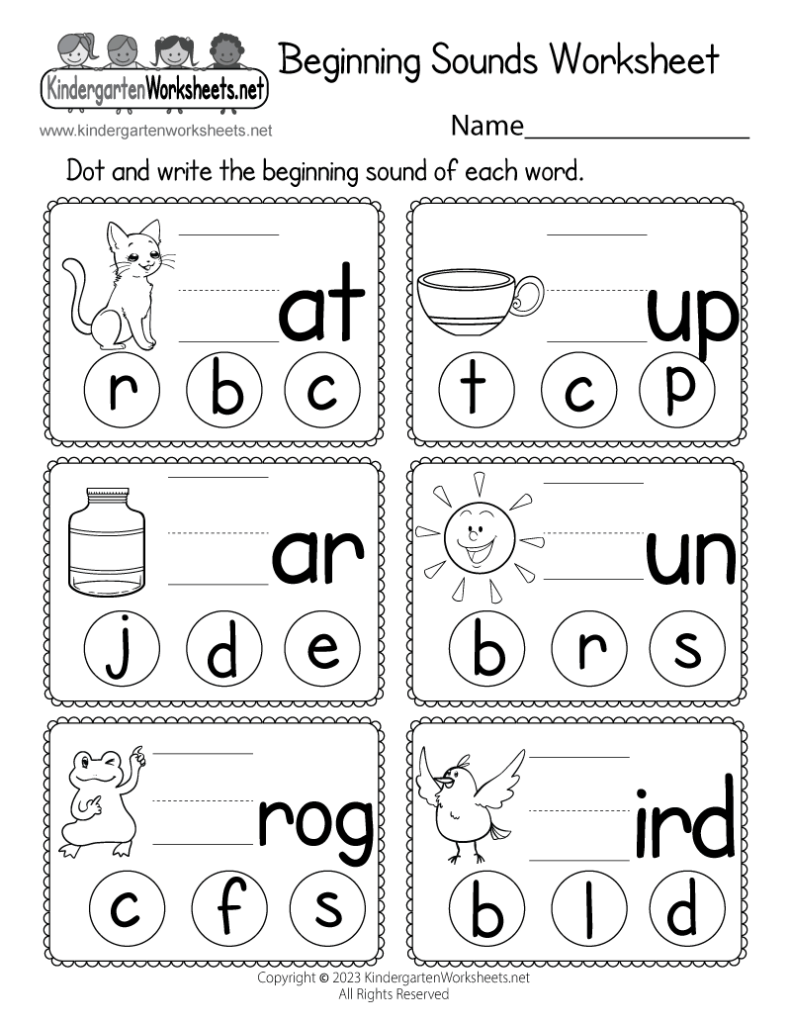
By keeping the materials accessible and the atmosphere lighthearted, you transform these sessions into a bonding experience. Encourage the child to look for the letters they have learned throughout the house or while reading a bedtime story. This reinforcement outside of the formal activity helps solidify their knowledge and shows them that learning is not just something that happens at a table, but a way of interacting with the entire world.
Whether you are a teacher planning your weekly center rotations or a parent looking for extra support at home, these tools are a wonderful way to foster a love for discovery. Take your time, follow the child's lead, and enjoy watching their confidence grow with every single mark on the page. With patience and consistent practice, you are providing them with the very best start on their unique path toward literacy.