Helping children develop foundational skills requires the right mix of resources. Whether you are focusing on letter recognition or introducing early math concepts like adding and regrouping worksheets, consistent practice helps young students build the confidence they need to succeed.
As an educator, I have found that the secret to long-term academic success lies in the quality of early exposure to fundamental concepts. While we often balance literacy tasks with numeracy, both areas demand structured, engaging materials that allow children to explore at their own pace. This is where printable learning activities become an essential part of any teacher’s or parent's toolkit. By providing clear, repeatable exercises, we help children transition from simple observation to mastery of complex skills like phonics and basic arithmetic.
Why We Need Adding and Regrouping Worksheets
Integrating adding and regrouping worksheets into a daily routine helps children develop a conceptual understanding of numbers. While many people associate these worksheets with older elementary students, the concepts can be introduced through simplified, visual layouts that bridge the gap for kindergarteners. By breaking down the process of addition, we allow students to visualize how quantities come together. This foundational work is just as important as the letter recognition and handwriting practice that occupies much of the preschool curriculum.
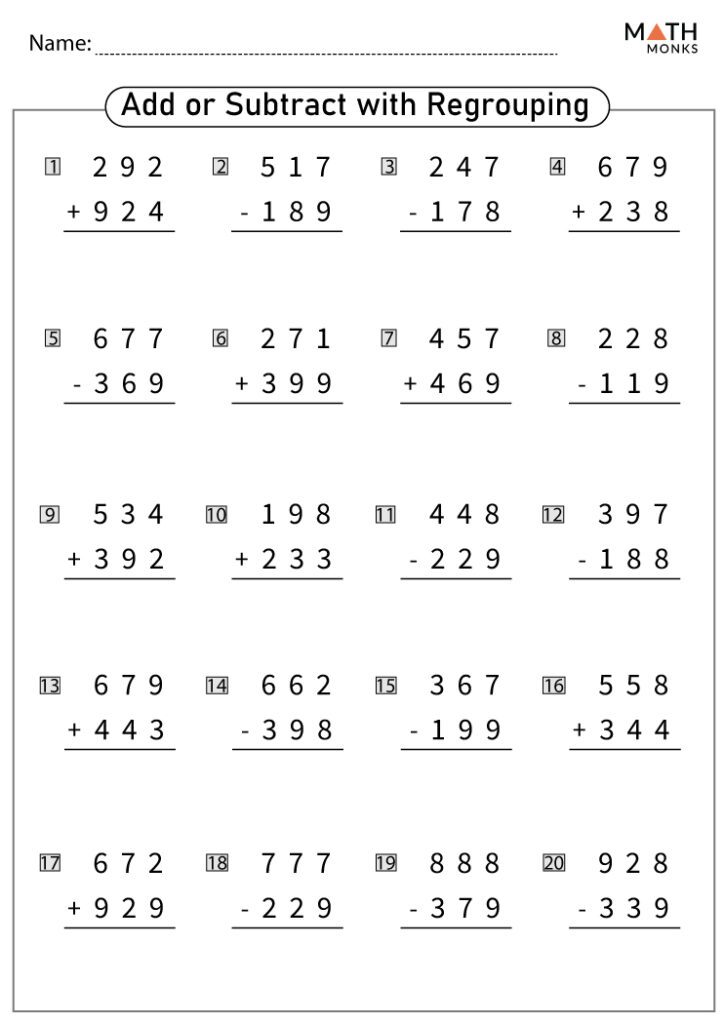
These materials are designed to be intuitive, ensuring that children focus on the mechanics of the task rather than getting frustrated by the instructions. When a student practices letter formation or solves a math problem, they are training their fine motor skills while simultaneously exercising their cognitive processing abilities. Using these worksheets as a regular part of a classroom routine provides a predictable structure that helps students manage their time and expectations during independent work blocks.
Classroom Use and Scaffolding
In a busy classroom, these worksheets serve as excellent morning work or station rotation activities. Teachers can provide direct instruction by modeling how to trace a letter or solve an addition equation before allowing students to work independently. For learners who need a bit more support, these sheets offer a tactile way to practice skills that might otherwise feel abstract. It is beneficial to keep a variety of levels on hand so that every student can find a challenge that matches their current developmental stage.
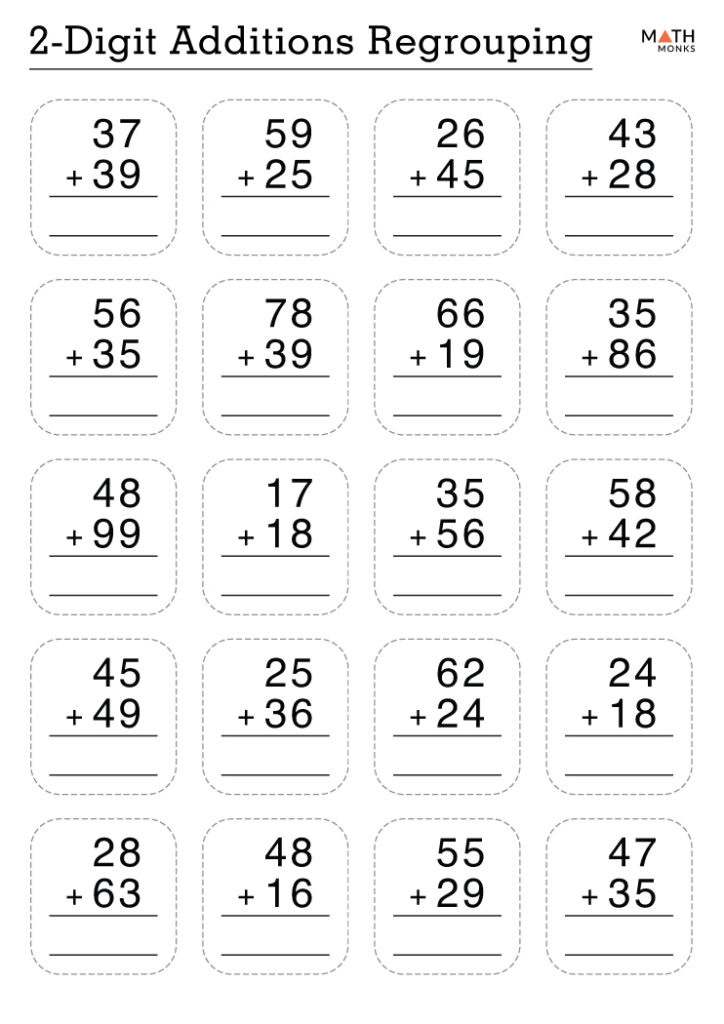
Homeschool parents often find that having a library of printable learning activities makes planning much easier. When used at home, these sheets provide an opportunity for one-on-one bonding and personalized instruction. A parent can sit with their child, offering immediate feedback as they form a letter or work through a math problem. This environment is perfect for building the confidence of a reluctant learner who might otherwise feel intimidated by a larger group setting.
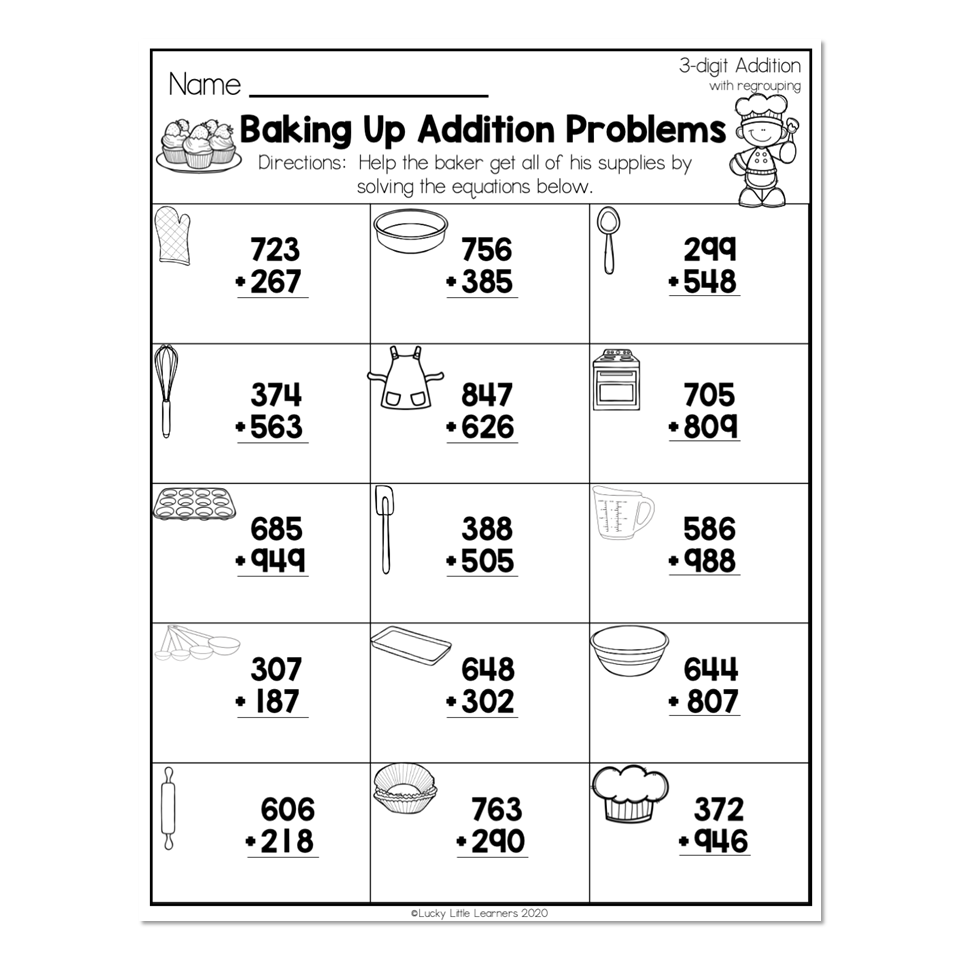
Beyond the paper, you can reinforce these skills with simple, hands-on activities that keep learning fun. For alphabet skills, try a scavenger hunt where your child searches for objects that start with the letter they just practiced on their worksheet. For math, use physical counters like buttons or dried beans to represent the numbers on the page, turning a flat worksheet into a three-dimensional experience. These sensory additions help solidify the learning that happens on paper, making it more memorable for young children.
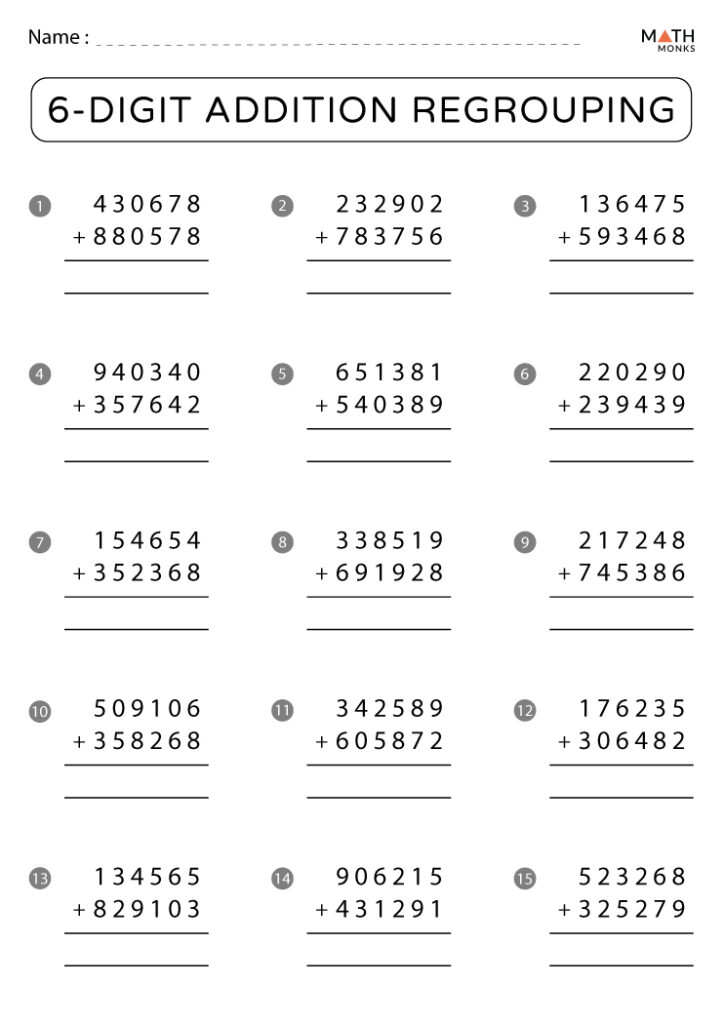
Consistency is truly the key when helping young learners achieve their goals. By rotating through a mix of phonics exercises, handwriting practice, and early math challenges, you keep the material fresh and exciting. Do not be afraid to revisit older concepts periodically, as repetition is the primary way that children move knowledge from short-term memory into long-term retention.
Encouraging a positive attitude toward these tasks is just as important as the content itself. Celebrate the small victories, such as a perfectly formed letter or a correctly solved equation, to foster a love for learning. When children view these activities as a rewarding challenge rather than a chore, they develop the academic resilience necessary for their future school years. With the right resources and a supportive environment, every child can find success.