Exploring the alphabet is a magical milestone for any young learner. Using engaging letter j worksheets for preschoolers can turn a simple study session into a joyful discovery of sounds, shapes, and vocabulary.
When we introduce a new character like the letter J, we are doing so much more than just showing them a symbol on a page. These worksheets are carefully designed to bridge the gap between abstract shapes and real-world language. By focusing on the letter J, children begin to categorize their world, connecting the letter to familiar objects like jumping jacks, juicy jellies, and playful jellyfish. It is a wonderful way to build confidence as they start their journey toward reading and writing.
Why We Use Letter J Worksheets for Preschoolers
These activities are excellent for reinforcing foundational skills that go beyond just literacy. While a child is busy tracing the curves of a capital J or identifying the lowercase version, they are also refining their fine motor skills. Controlling a pencil or crayon requires focus and coordination, which are essential building blocks for later academic success. Furthermore, these worksheets introduce the concept of following directions and completing a task, which helps children develop the patience and attention span needed for a classroom setting.
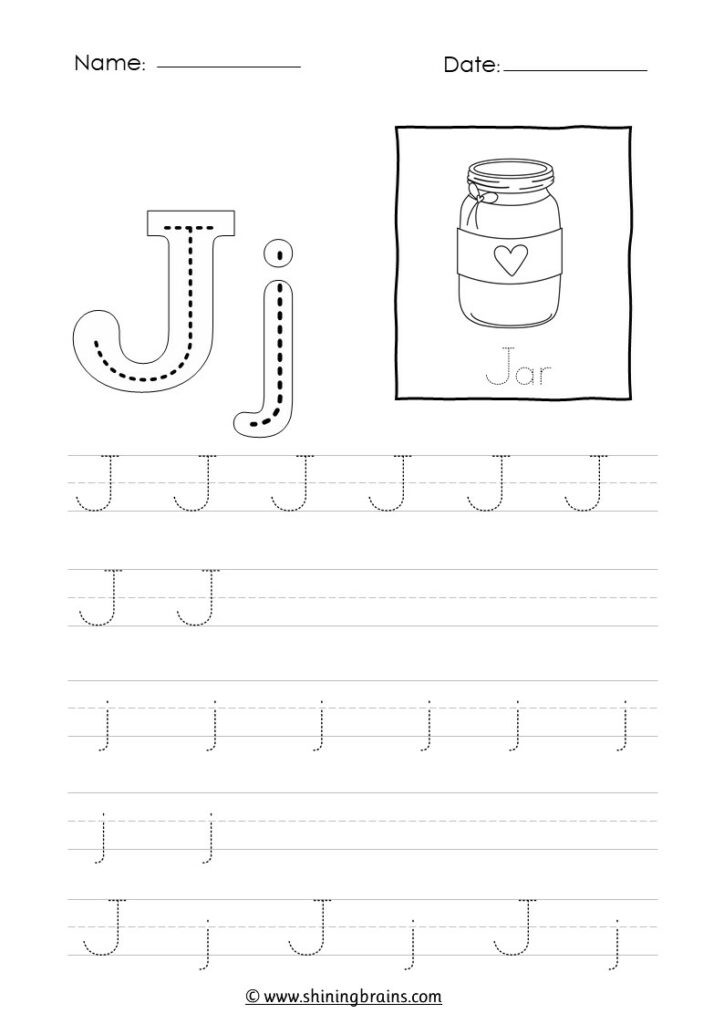
To introduce these worksheets, keep things light and conversational. Instead of framing it as a lesson, treat it like an exploration. You might start by asking your child if they can think of words that start with the /j/ sound, perhaps acting out a jump whenever you hear the sound. Once you have built up some excitement, lay out the worksheet and invite them to color the illustrations before they begin tracing. This low-pressure start helps children feel comfortable and engaged right from the beginning.
Creative Ways to Enhance Practice
Worksheet time doesn't have to be limited to a desk and pencil. If your child is feeling restless, try bringing the letter to life with sensory play. You can have them trace the letter J in a tray filled with salt or sand to get a tactile feel for its shape before they ever touch a marker. You might also challenge them to find hidden items around the house that start with J, keeping a tally on the back of the sheet to incorporate some basic counting and number recognition into the activity.
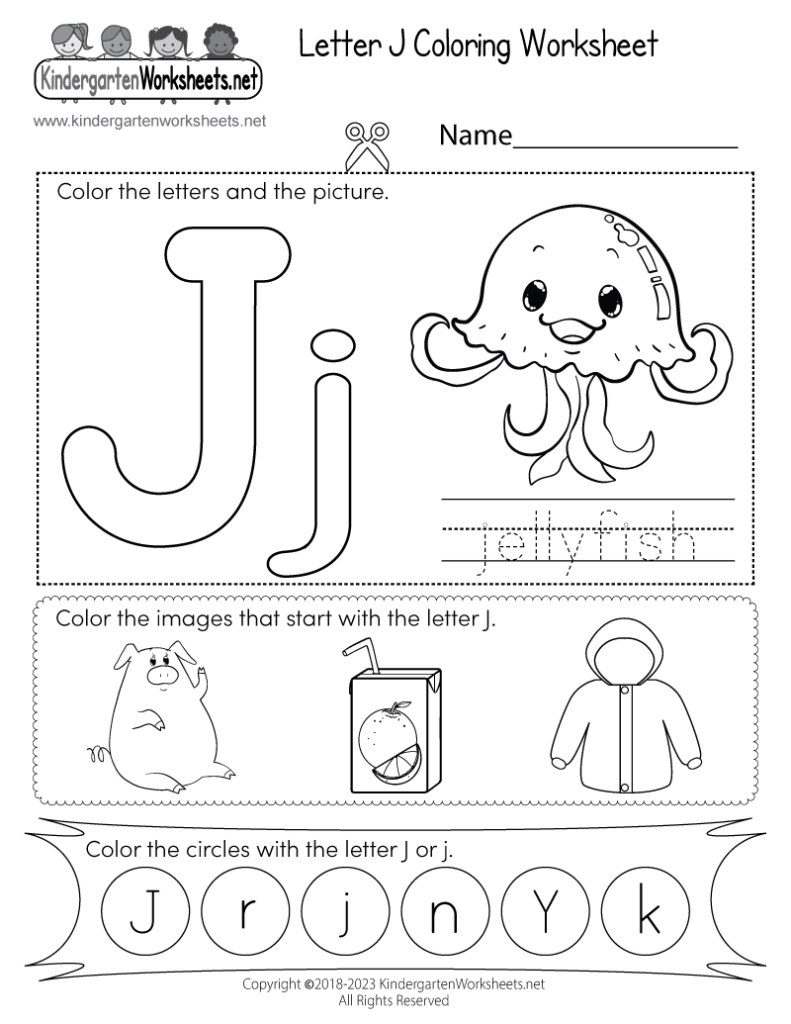
Another way to keep things fresh is to use a variety of materials. Swap out the standard graphite pencil for colored pencils, glitter pens, or thick markers to make the tracing process feel like an art project. If the worksheet includes shapes or pictures to color, use this as a chance to discuss colors and patterns. The goal is to keep the experience enjoyable so that your child views writing as a creative outlet rather than a chore.
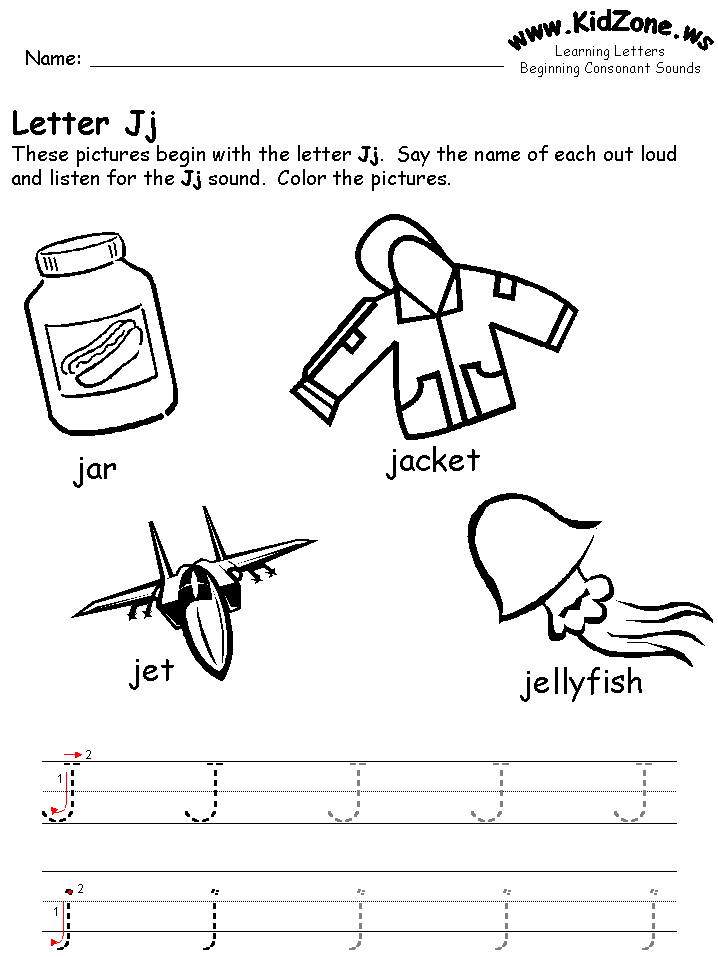
The primary benefit of using these tools is the consistent exposure to letter recognition and formation. Every time a child interacts with the worksheet, they are cementing the connection between the visual letter, the sound it makes, and how it is written. This repetitive, gentle practice is exactly what young brains need to store information in their long-term memory. Over time, you will notice your child pointing out the letter J in storybooks or on cereal boxes, which is a sign that the learning is truly sticking.
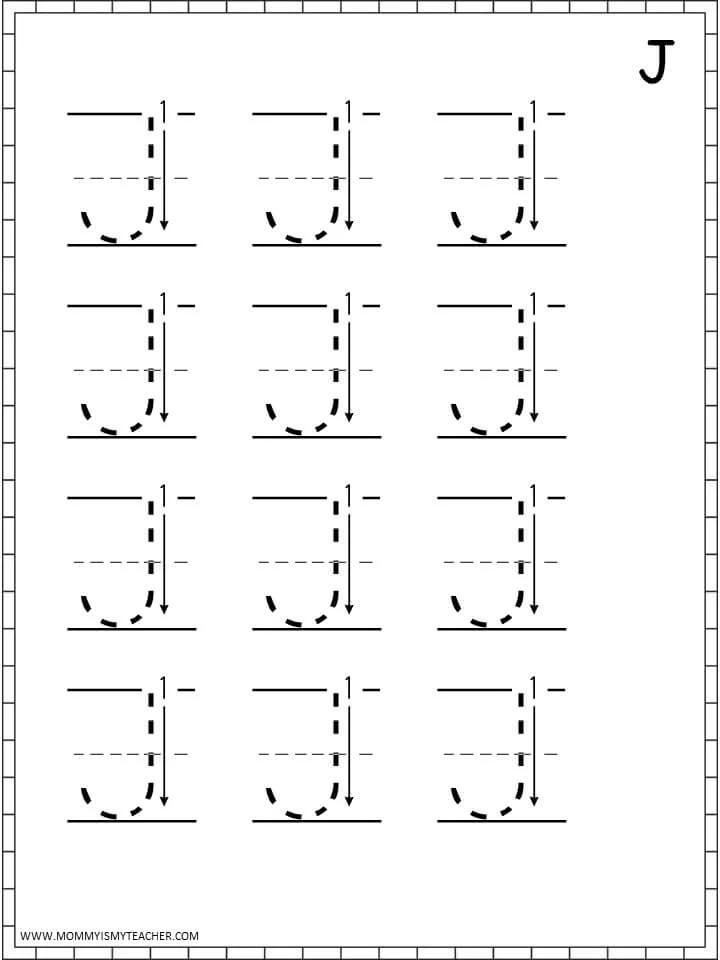
Remember that every child develops at their own unique pace. If your little one gets tired or frustrated, it is perfectly okay to set the worksheet aside and return to it later in the day. The most important thing is that the experience remains positive and supportive of their growth. A few minutes of focused practice here and there is far more effective than a long, forced session that might dampen their natural curiosity.
By weaving these activities into your daily routine, you are providing a solid foundation for your child's educational future. Whether you are a teacher in a bustling classroom or a parent at the kitchen table, these simple tools create meaningful moments of connection. Keep celebrating their small victories, like tracing a tricky curve or identifying a new word, and you will be amazed at how quickly their confidence blossoms.