Helping children bridge the gap between simple counting and geometric concepts can be a rewarding experience. Our latest resources make math feel like a fun creative project while building essential academic foundations for your little learners.
As students transition into more complex mathematical thinking, understanding spatial measurement becomes a primary focus. Introducing an area worksheet 3rd grade level allows kids to visualize how space is filled within a shape, moving beyond basic arithmetic. By engaging with these printable activities, children develop the ability to calculate the size of two-dimensional surfaces using grid squares, which is a fundamental skill for their future success in geometry.
Why Geometry and Penmanship Go Together
While math and literacy might seem like separate worlds, they share a common need for precision and fine motor control. When children use a tracing worksheet to practice their numbers before calculating area, they are refining their grip and hand-eye coordination. Consistent handwriting practice ensures that when a student identifies a measurement, they can record it neatly and accurately, building confidence in both their numerical reasoning and their penmanship skills.
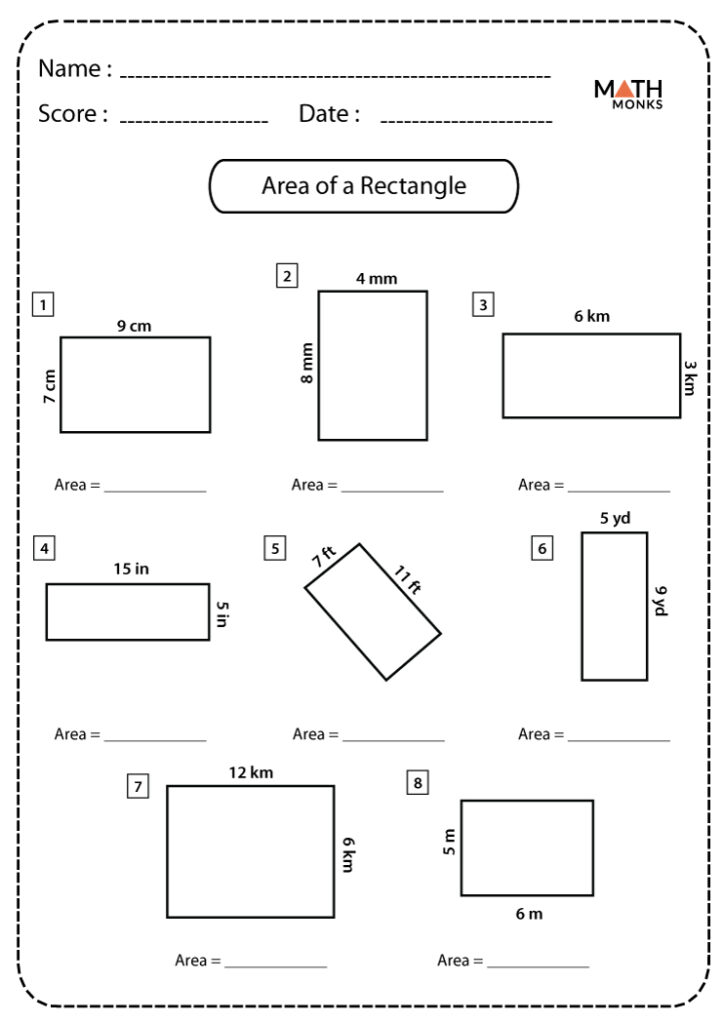
To get the most out of these materials, treat them as part of a balanced learning routine rather than a chore. Whether you are in a classroom or at home, setting up a dedicated quiet space for writing practice can help children focus on the task at hand. Encourage them to use a sharpened pencil and sit with good posture, as these small habits improve the overall quality of their fine motor activities and help them maintain focus for longer periods.
Hands-On Math Readiness Activities
Before diving into the paper-based tasks, try physical demonstrations to make the concept of surface measurement concrete. Use physical manipulatives like building blocks or square tiles to fill in the shape on the page, showing how each block represents one square unit of area. This tactile approach acts as a bridge between the physical world and the abstract symbols found on traditional preschool worksheets and kindergarten worksheets, making the transition to independent work much smoother.
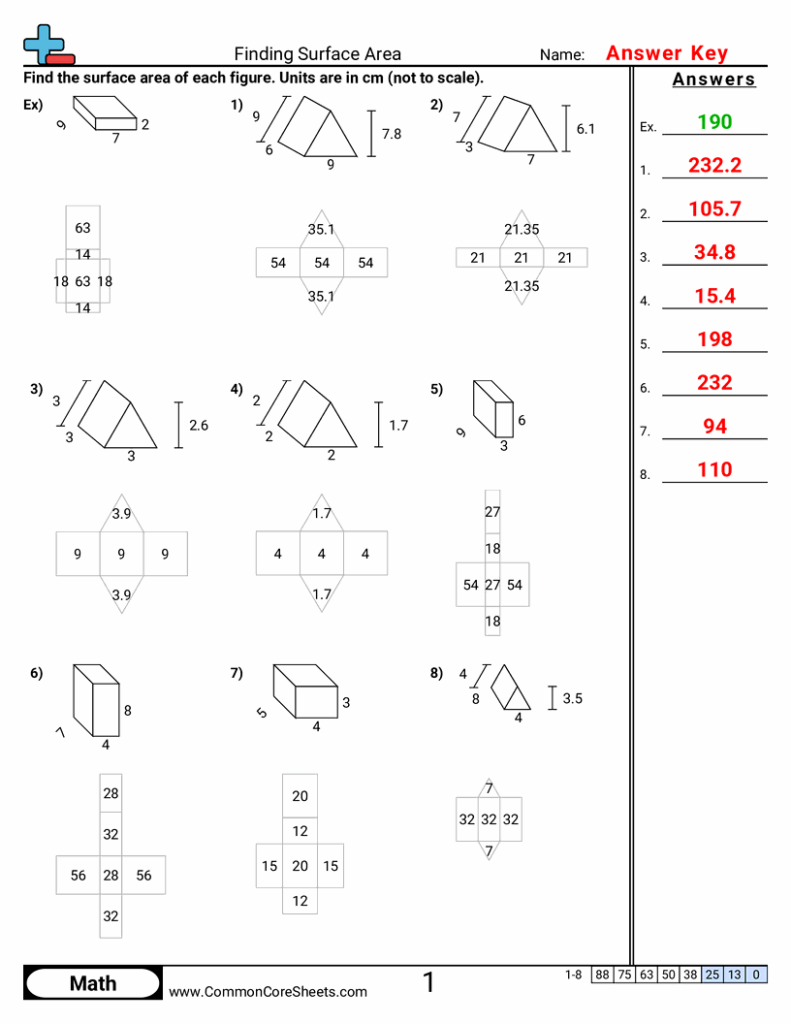
Once the worksheet is completed, extend the learning by finding examples of area in your daily environment. Ask your child to measure the top of their desk with sticky notes or count the tiles on a small section of the kitchen floor. By connecting the worksheet to real-world spaces, you reinforce the idea that math is a living tool that helps us understand our surroundings, transforming the act of writing practice into a practical, everyday skill.
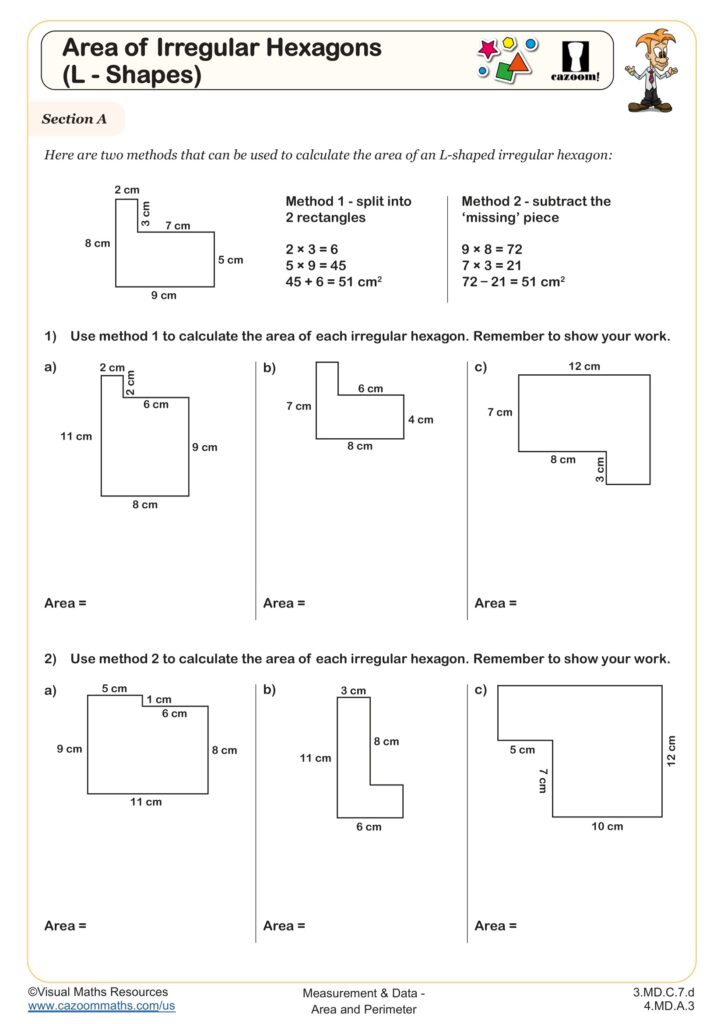
For educators and parents, these printable activities serve as a vital component of a comprehensive curriculum. You can easily incorporate these exercises into morning warm-up routines or homework folders to ensure consistent progress in mathematical literacy. Because these pages focus on clear letter formation and logical layouts, they are accessible for a wide range of learning styles, providing the support needed for every student to thrive in their academic journey.
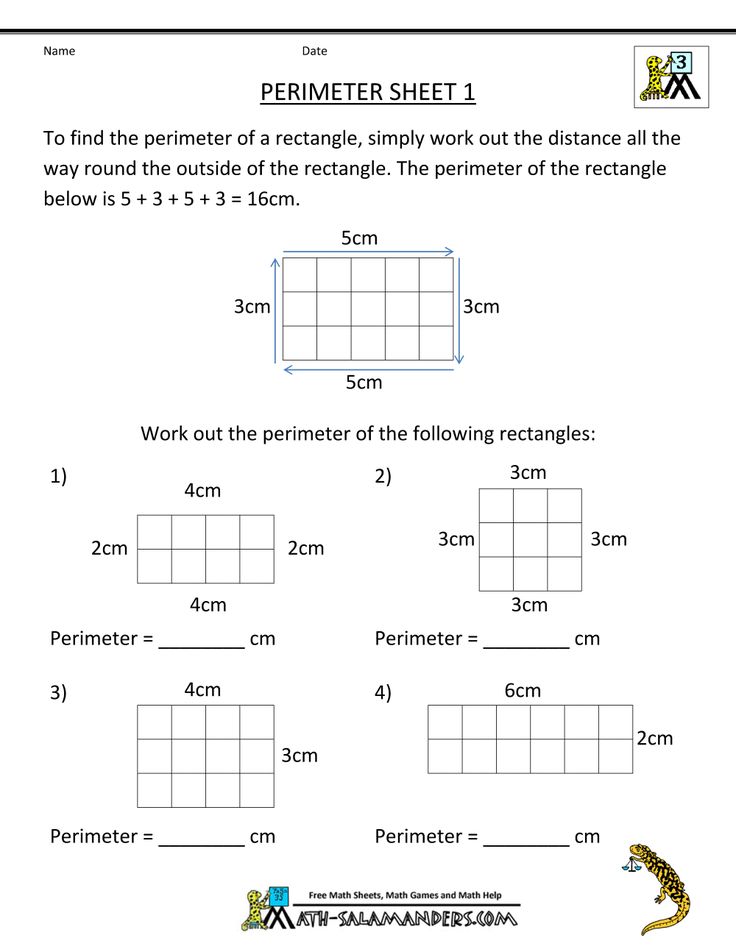
When students spend time on high-quality writing practice and structured worksheets, they cultivate a sense of discipline that serves them well in all subjects. A well-designed area worksheet 3rd grade activity does more than teach math; it teaches patience, attention to detail, and the satisfaction of finishing a task. You will likely notice that as their confidence in these tasks grows, their ability to tackle more advanced academic challenges improves alongside it.
Whether you are a teacher building a classroom binder or a parent looking for extra support, these resources are designed to make learning engaging and effective. Keep the process light and encouraging to foster a lifelong love for problem-solving. By balancing these structured worksheets with active, hands-on exploration, you provide a well-rounded educational experience that prepares children for the complexities of higher-level learning.