Laying a solid mathematical foundation is one of the most exciting milestones in early childhood education. Our latest number worksheet for KG is designed to help children develop essential counting, identification, and writing skills through engaging, guided practice.
This resource is specifically crafted for kindergarten-aged children who are beginning to bridge the gap between verbal counting and written representation. By focusing on digit recognition and one-to-one correspondence, these learning activities ensure that students gain confidence as they master the symbols for numbers one through twenty. Teachers and parents will find this tool useful for identifying areas where a child might need extra support or reinforcement before moving on to more complex math concepts.
Why Every Kindergarten Student Needs a Number Worksheet for KG
Mathematical fluency is built through repetition and consistent exposure to core concepts. When a child works on a number worksheet for KG, they are not just filling in blanks; they are training their brains to recognize numerical patterns and sharpen their fine motor skills. Regular practice with these printable activities allows students to internalize the shape of digits, which eventually leads to the effortless writing required for more advanced elementary math practice.
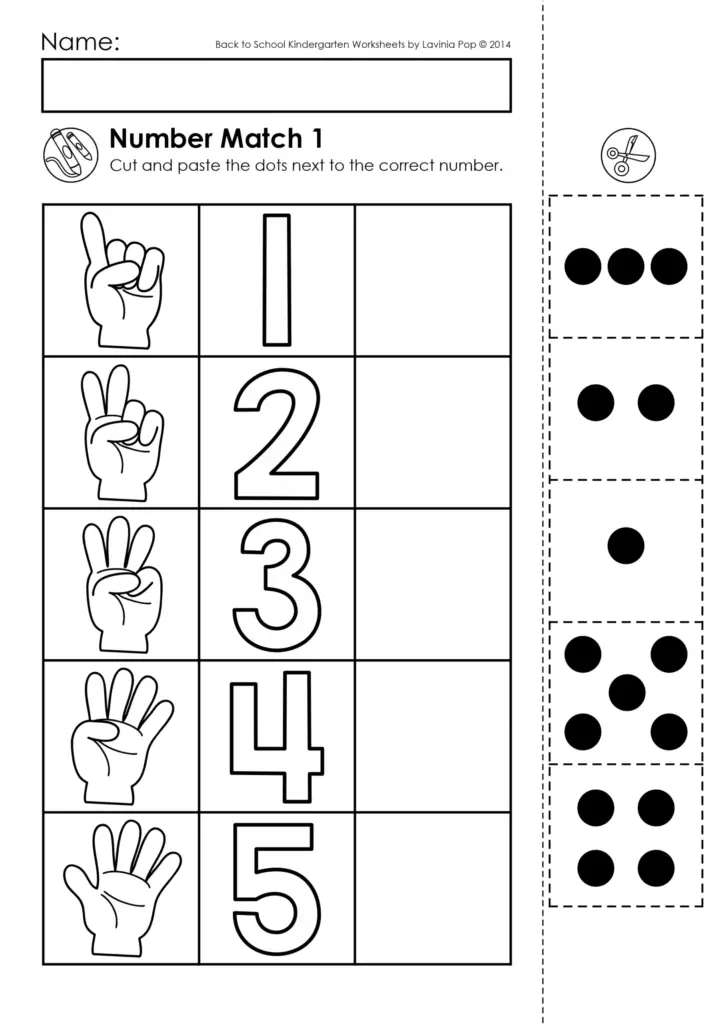
In the classroom, these sheets serve as an excellent bridge between group instruction and independent desk work. Teachers can utilize them during math centers to allow for quiet, focused study while rotating through small groups. For homeschool families, this format provides a structured way to track progress and ensure that daily math goals are met without the need for extensive preparation or expensive materials.
Practical Tips for Classroom and Home Integration
To make these sessions more interactive, consider using physical manipulatives alongside the paper practice. For instance, have your child count out blocks, beads, or cereal pieces to match the number they are currently writing on the page. This tactile experience reinforces the relationship between a written quantity and the actual amount, turning a standard exercise into a comprehensive sensory learning experience that anchors the concept firmly in their minds.
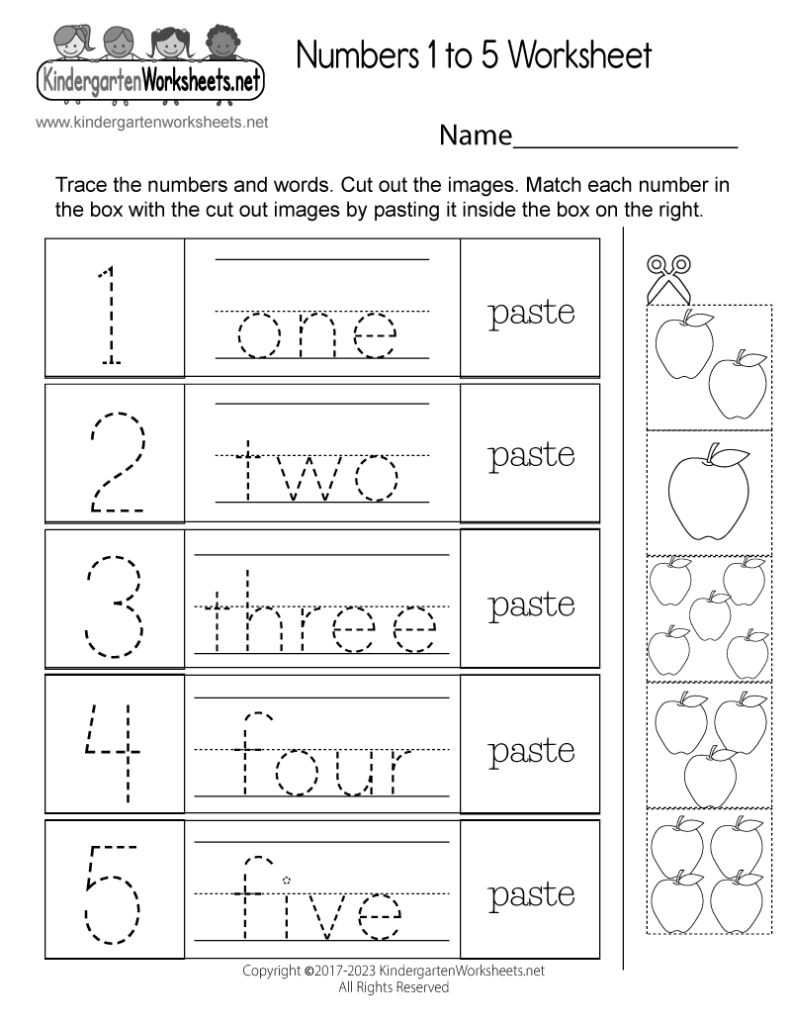
Variety is key when teaching young learners, so try to mix up the environment where the practice takes place. Instead of always sitting at a desk, consider placing the worksheet on a clipboard for a change of scenery or using a dry-erase sleeve to allow the child to practice the same problems multiple times. This approach reduces the pressure often associated with pencil-and-paper tasks and keeps the student motivated to engage with their math curriculum.
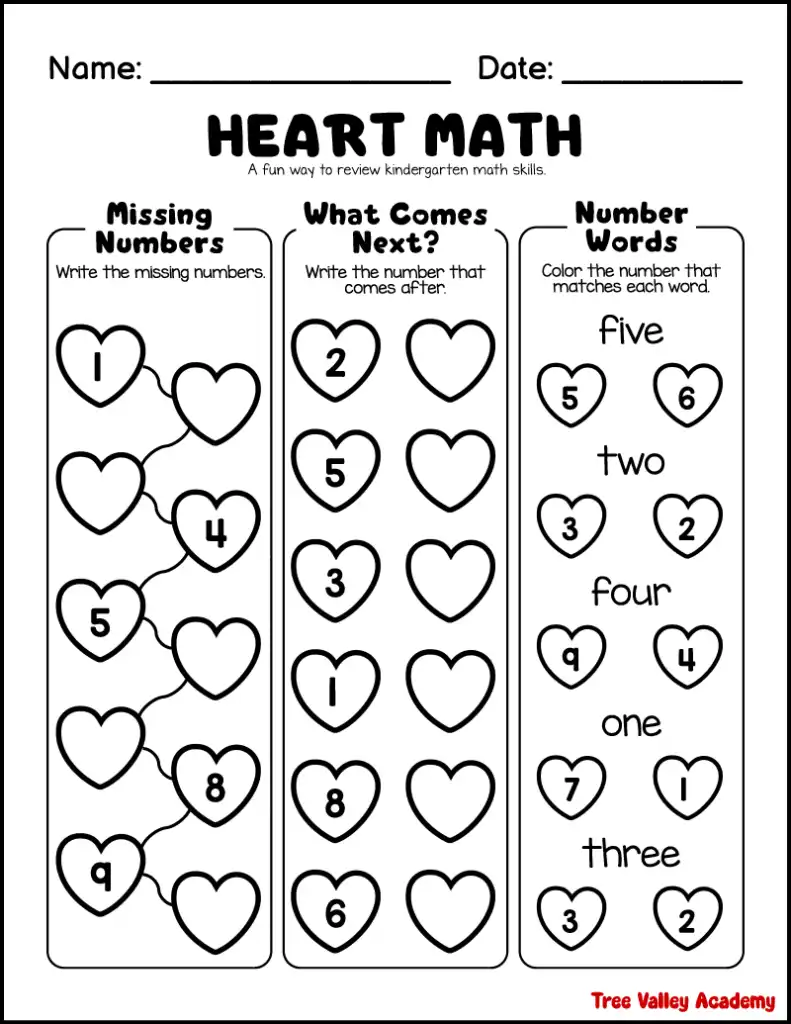
The benefits of consistent classroom practice extend far beyond just learning to count. As children move through these exercises, they also begin to develop the patience and focus required for later success in subjects like geometry, measurement, and basic addition. By establishing a routine early on, you are setting the stage for a positive relationship with math that will last throughout their entire academic journey.
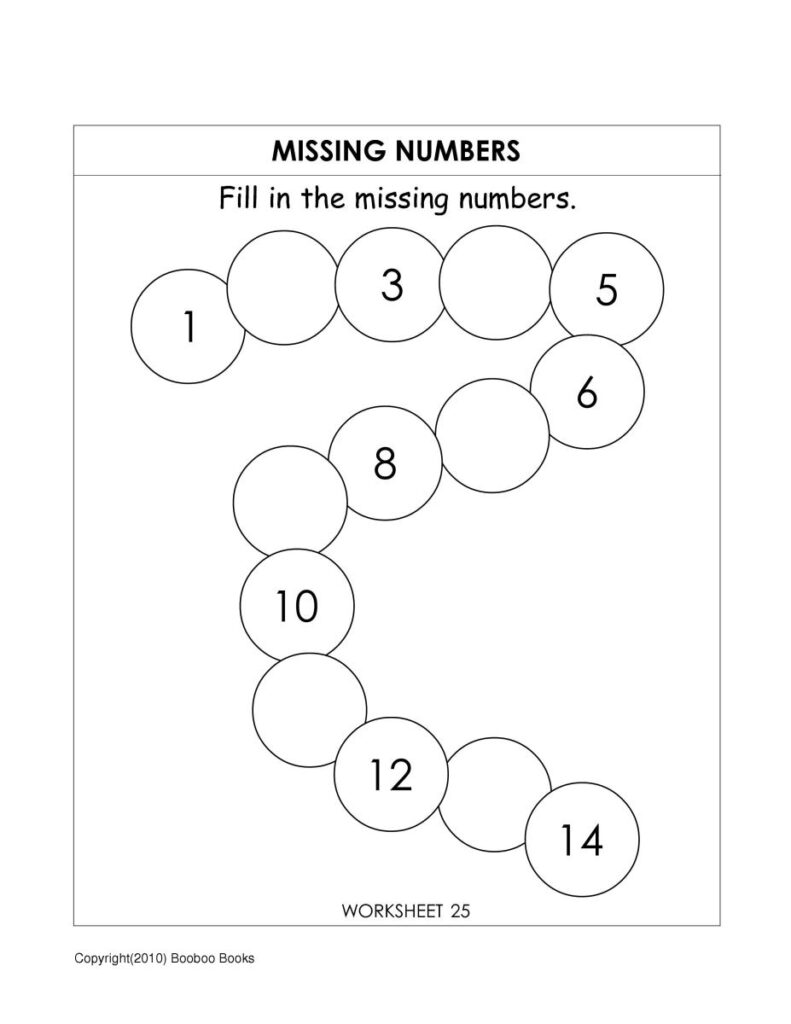
When introducing a new sheet, always begin with a quick verbal review of the numbers to build enthusiasm. If you notice a student struggling with specific digits, spend extra time discussing how those numbers are formed or comparing their values to others in the set. This personalized approach makes the learning process feel supportive rather than overwhelming, ensuring the child feels accomplished after finishing each task.
Ultimately, the goal of these resources is to provide a stress-free entry point into the world of mathematics. With the right amount of encouragement and a consistent schedule, you will see your child gain the proficiency needed to transition smoothly into first grade. Enjoy this time of discovery as your little learner transforms from a novice counter into a confident young mathematician.