Introducing basic math concepts to young learners can feel like a big step, but it often starts with simple counting and pattern recognition. I have found that gentle, visual resources make all the difference in keeping preschoolers excited about their daily learning journey.
Engaging Addition Worksheets for Nursery
These addition worksheets for nursery students are specifically designed to introduce the concept of combining groups of objects. By using familiar icons like stars, apples, or cheerful animals, the sheets bridge the gap between abstract numbers and concrete counting. Each page focuses on single-digit sums that stay within the ten-frame range, ensuring the math remains approachable and encouraging for children ages three to five.
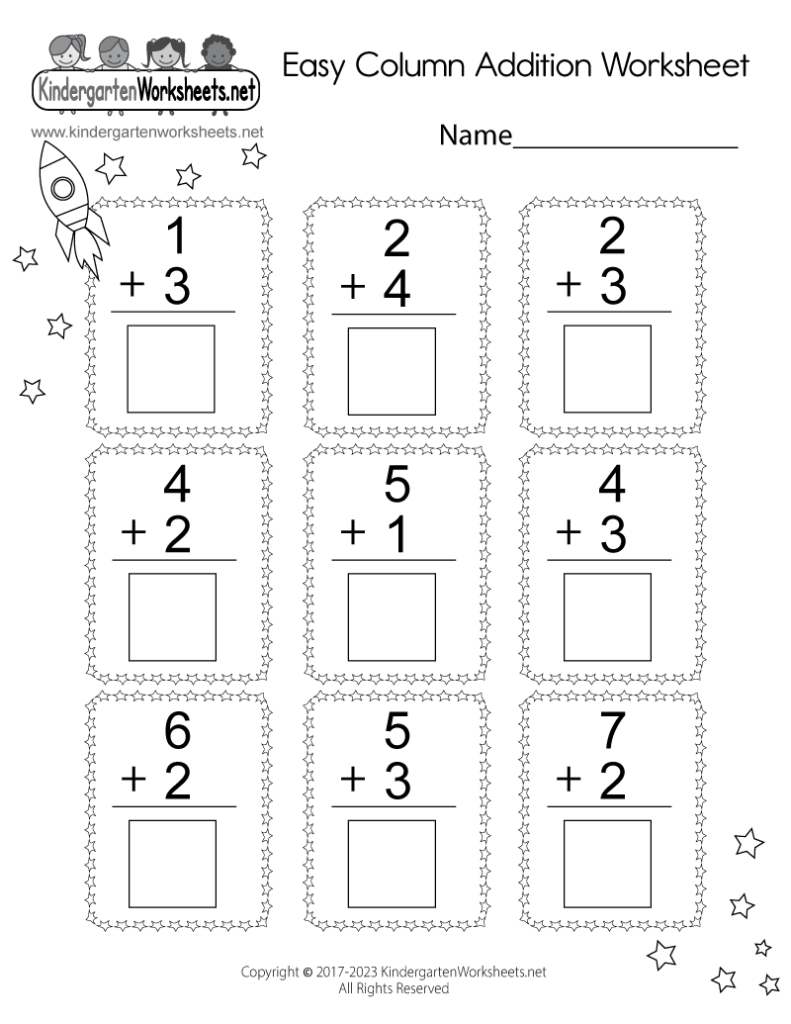
Teachers and parents will appreciate the clean layout, which avoids overwhelming little ones with too much text or clutter. The primary goal here is to build foundational number sense, helping children understand that addition is simply putting two collections together to form a larger total. These printable pages serve as an excellent supplement to hands-on lessons involving blocks, buttons, or counting beads.
How to Use These Math Printables
When you are ready to start, try pairing the worksheet with physical manipulatives to solidify the connection between symbols and quantities. For instance, if the page asks a child to solve two plus three, have them place two toy cars and three toy cars on the table before writing the final number. This multisensory approach helps kids visualize the equation rather than just memorizing facts, which is essential for long-term retention.
Consistency is key when working with early learners, so keep these sessions short and frequent rather than long and infrequent. A quick five-minute activity before reading a bedtime story can be more effective than a lengthy drill session. You can even laminate the sheets to create a reusable dry-erase center, allowing children to practice their strokes and math skills over and over without wasting paper.
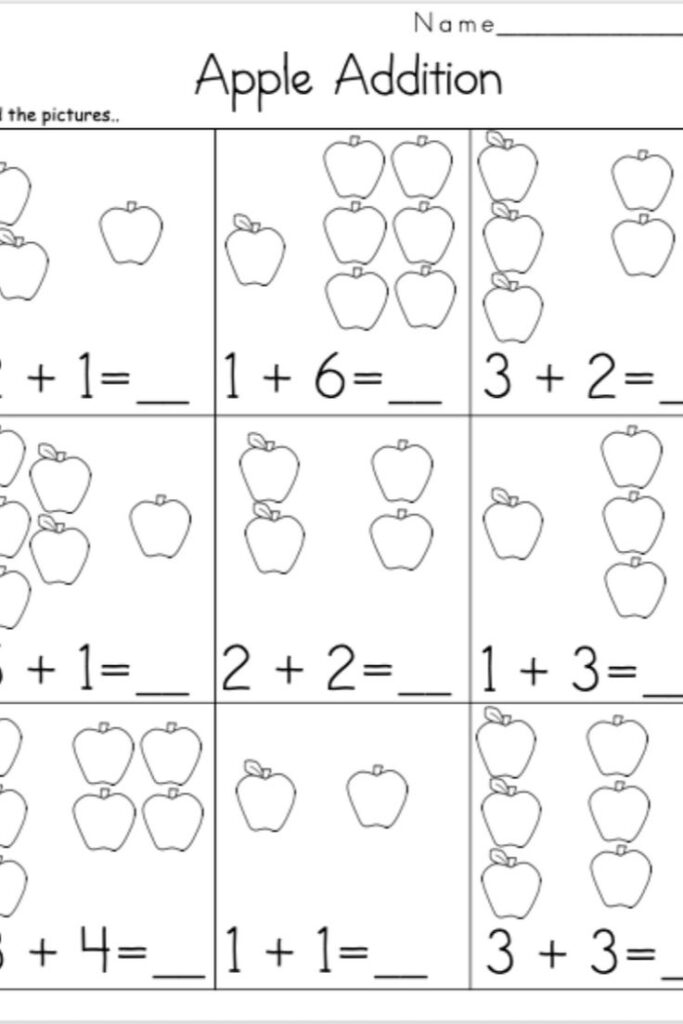
Incorporating these resources into your daily routine helps demystify math, making it a natural part of play rather than a stressful task. When a child successfully completes a row of problems, celebrate the effort they put into counting and writing their digits. This positive reinforcement creates a growth mindset that will serve them well as they move into kindergarten and encounter more complex arithmetic concepts.
The visual nature of these worksheets also supports different learning styles, particularly for visual learners who benefit from seeing the items they are counting. As they progress, you might find they start to recognize number patterns or even begin to solve simple equations in their heads. Watching that 'lightbulb moment' happen during a quiet afternoon at the kitchen table is one of the most rewarding parts of being a parent or educator.
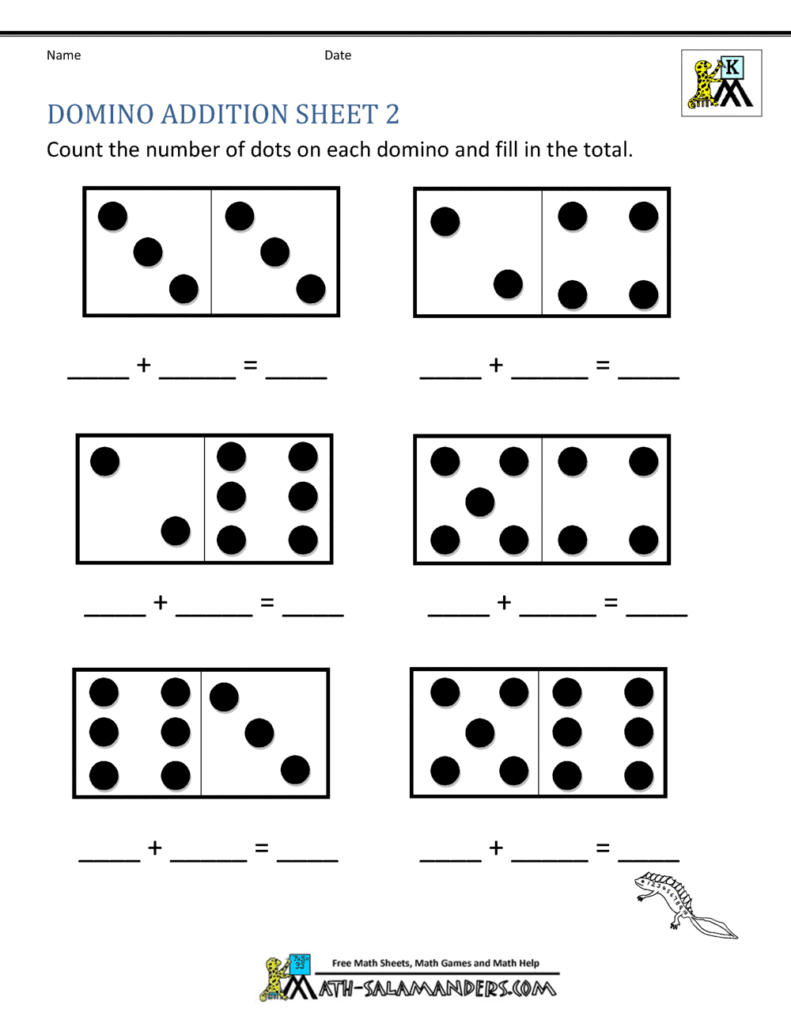
Beyond just building math skills, these activities help develop fine motor control as children practice writing numbers in the provided boxes. This creates a dual benefit, as they are simultaneously working on their handwriting and their logical reasoning. You might also find that discussing the pictures on the page—whether they are ducks, flowers, or shapes—leads to helpful language development conversations.
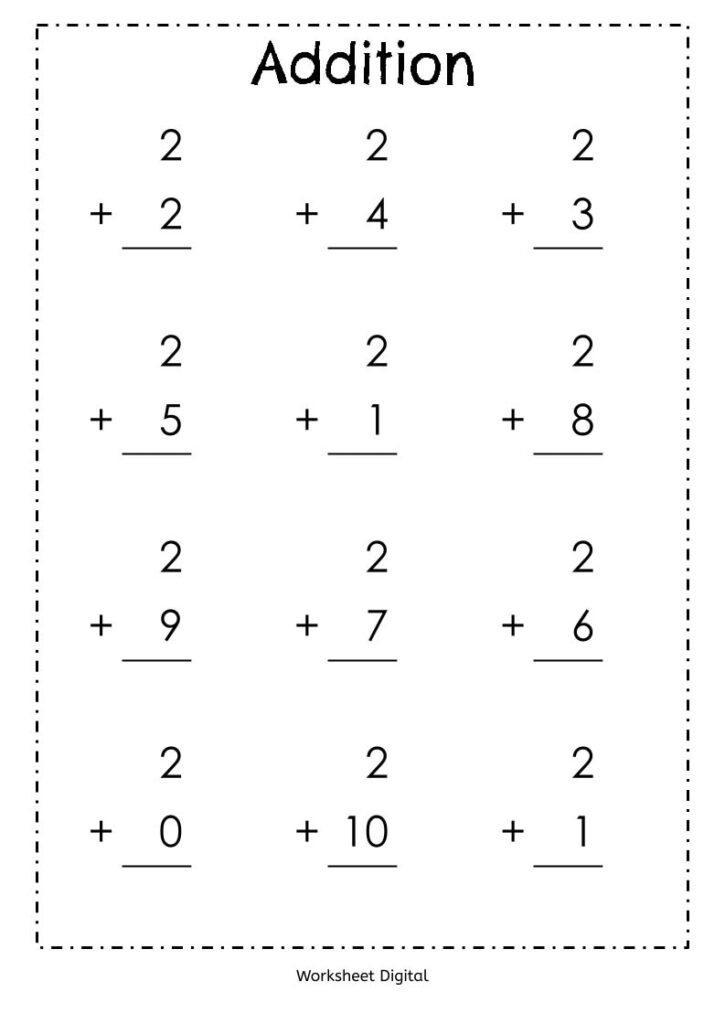
Whether you are a homeschooler looking for supplemental activities or a parent wanting to prepare your child for future school success, these simple tools provide a sturdy foundation. By focusing on play-based learning and encouragement, you can make early math a genuinely enjoyable part of your day. Grab a few pencils, clear off a workspace, and enjoy the process of watching your little one grow more confident with every problem they solve.