Teaching children how to count coins and understand currency values is a fundamental life skill that builds confidence in daily math. Whether you are a classroom teacher or a homeschooling parent, having high-quality resources on hand makes the learning process significantly smoother.
I have found that students often feel intimidated by abstract math concepts until they see how numbers relate to real-world objects like pennies, dimes, and quarters. By using focused activities, we can bridge the gap between simple addition and functional financial literacy. These exercises encourage kids to slow down, identify different coin values, and practice basic arithmetic in a way that feels tangible and relevant to their everyday experiences.
Why We Need Free Printable Money Math Worksheets
Our collection of free printable money math worksheets is designed specifically for students in grades first through third. These pages cover essential skills such as identifying currency, calculating the total value of a coin collection, and practicing making change for simple transactions. By providing clear visuals and structured problems, these worksheets help students build a strong foundation before moving on to more complex algebraic concepts later in their education.
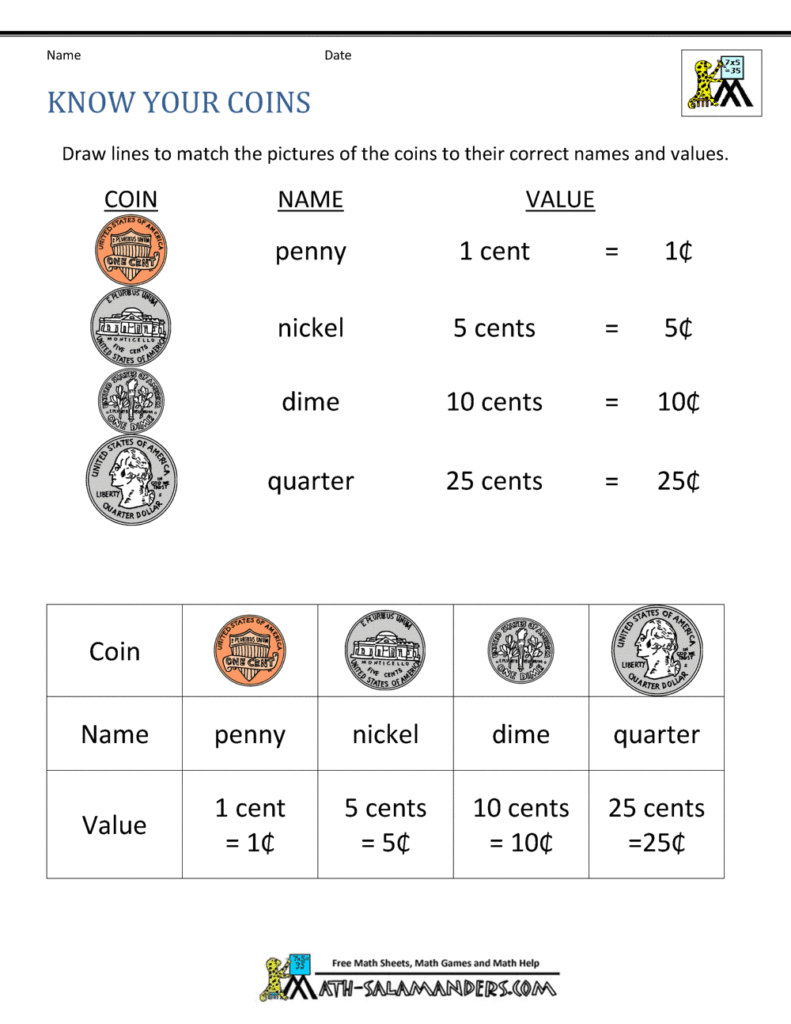
These materials are incredibly versatile and can be adapted to fit various learning paces. If a student is just starting out, you might choose the pages focused solely on coin recognition. For children who are more advanced, there are challenge pages that involve calculating totals for varied sets of bills and coins. This scaffolding approach ensures that no child feels overwhelmed while still providing enough rigor to keep them engaged with the material.
Effective Ways to Use These Worksheets
To get the most out of these resources, try incorporating them into a short, daily math warm-up routine rather than saving them for a long, taxing lesson. You could set a timer for ten minutes and have students work through a single page to sharpen their mental math skills before starting their main curriculum. This consistent, low-pressure practice helps cement the concept of coin values in their long-term memory far better than an occasional, lengthy assignment.
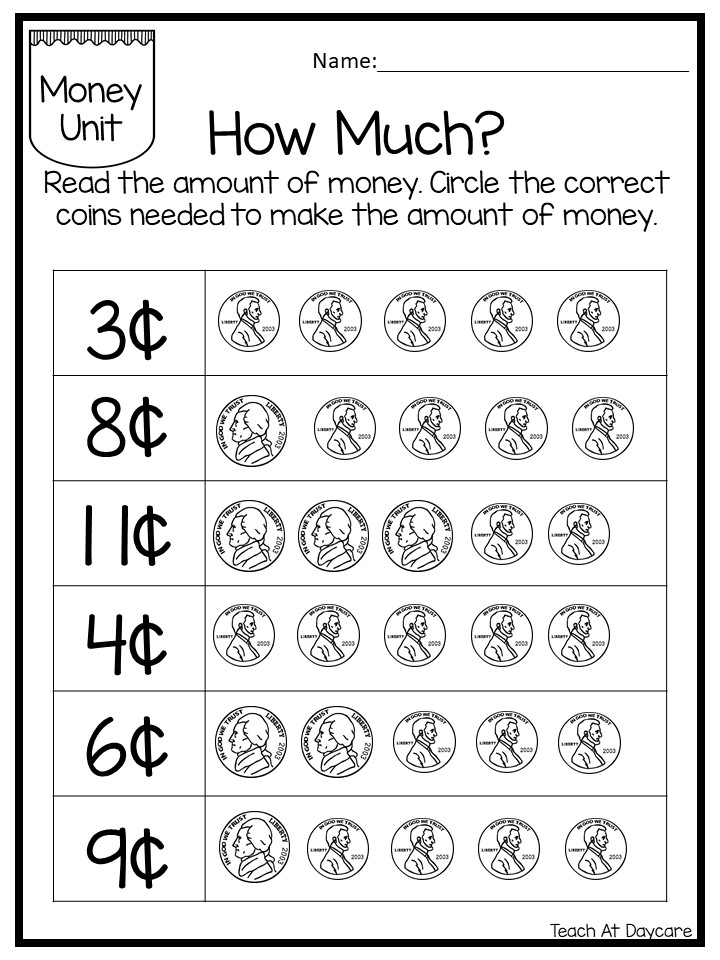
Another effective strategy is to pair the paper exercises with physical manipulative coins. Have the child place real quarters, nickels, and dimes directly onto the worksheet as they count them out. This multi-sensory approach engages different parts of the brain, making the math feel more concrete and less like a chore. Once they feel comfortable with the physical coins, you can transition them to solving the problems on paper without the visual aids.
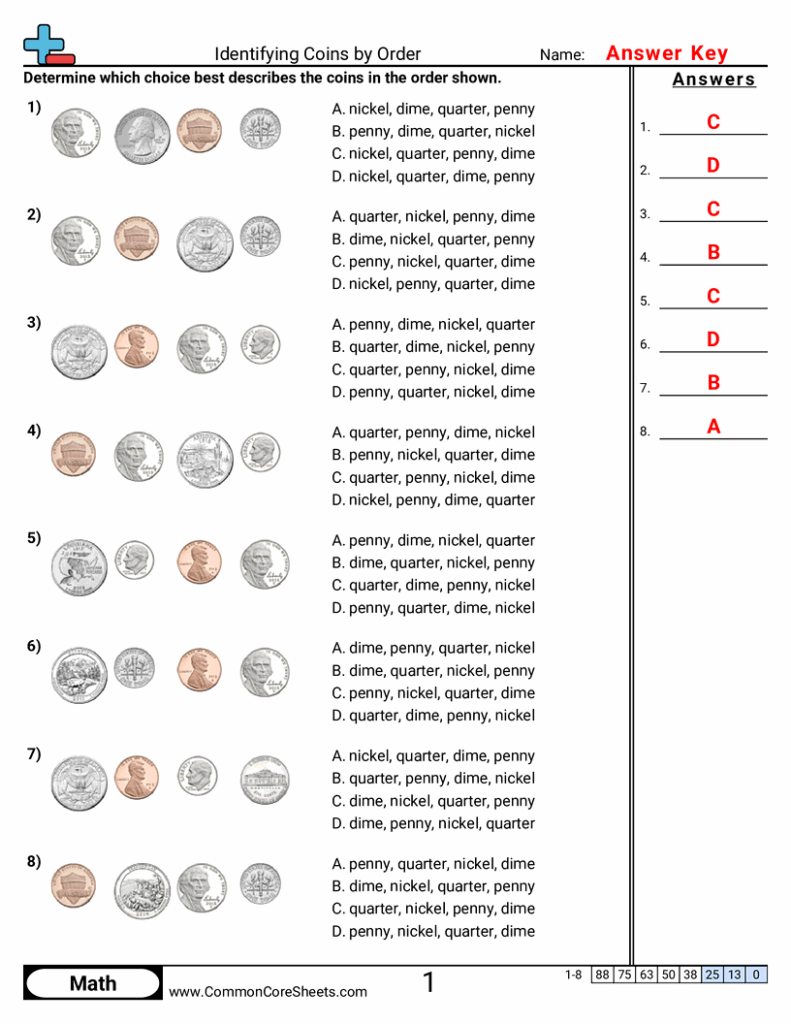
Beyond just building speed in addition, these worksheets foster early financial literacy and critical thinking. When children learn to calculate the cost of items or determine if they have enough money for a purchase, they gain a sense of autonomy. This builds a positive relationship with mathematics and prepares them for the inevitable real-world scenarios where they will need to handle their own allowance or make smart shopping choices.
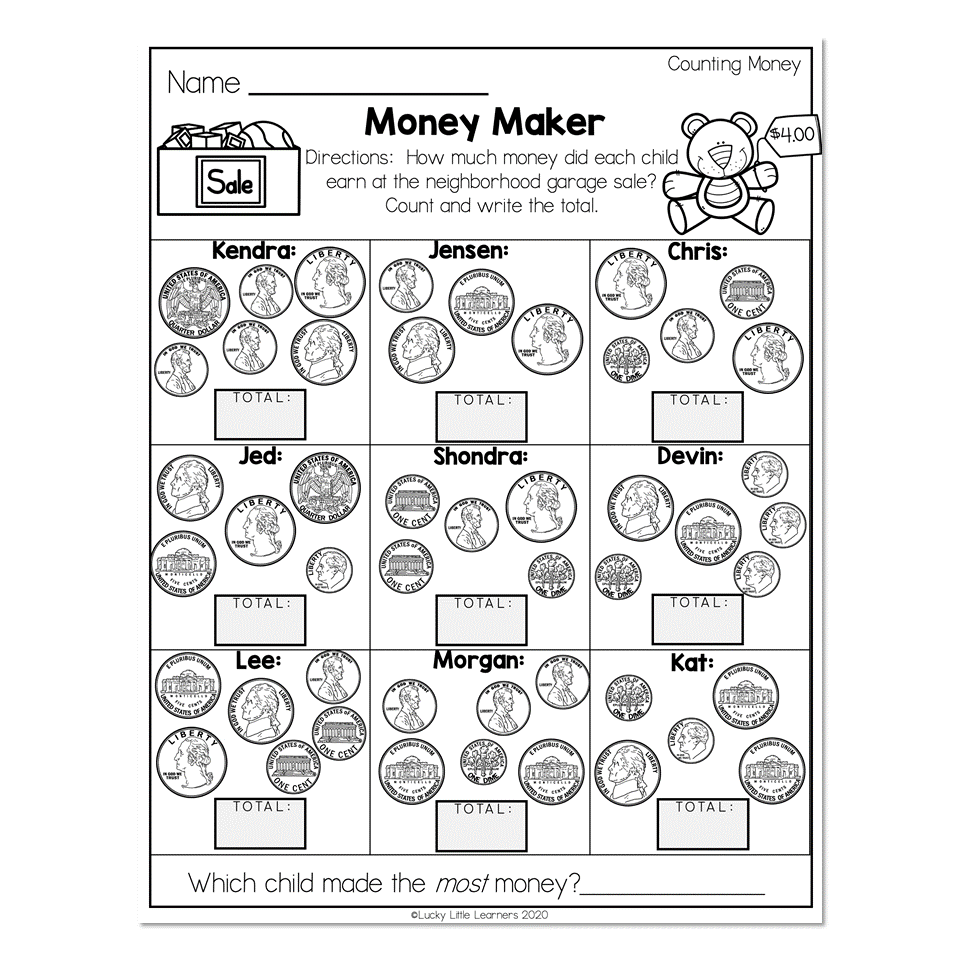
Teachers and parents often appreciate how these tools save time during the planning phase. Because the sheets are ready to print, you can instantly address a student's struggle with a specific area like decimal placement or coin identification without hunting for materials. This flexibility makes them a staple resource for any well-equipped home classroom or school desk.
As your students gain proficiency, remember to celebrate their progress and offer praise for their persistence with these tricky money problems. Building fluency takes time, but with the right blend of printable activities and hands-on practice, you will see their confidence grow with every cent they count. Keep these sheets handy, and you will have a reliable way to support their growth throughout the entire academic year.