Teaching children to write the alphabet is a foundational milestone in early childhood education. By utilizing structured tracing exercises, educators and parents can help young learners build confidence and precision as they develop their unique handwriting style.
Using Kindergarten Worksheets Letter B
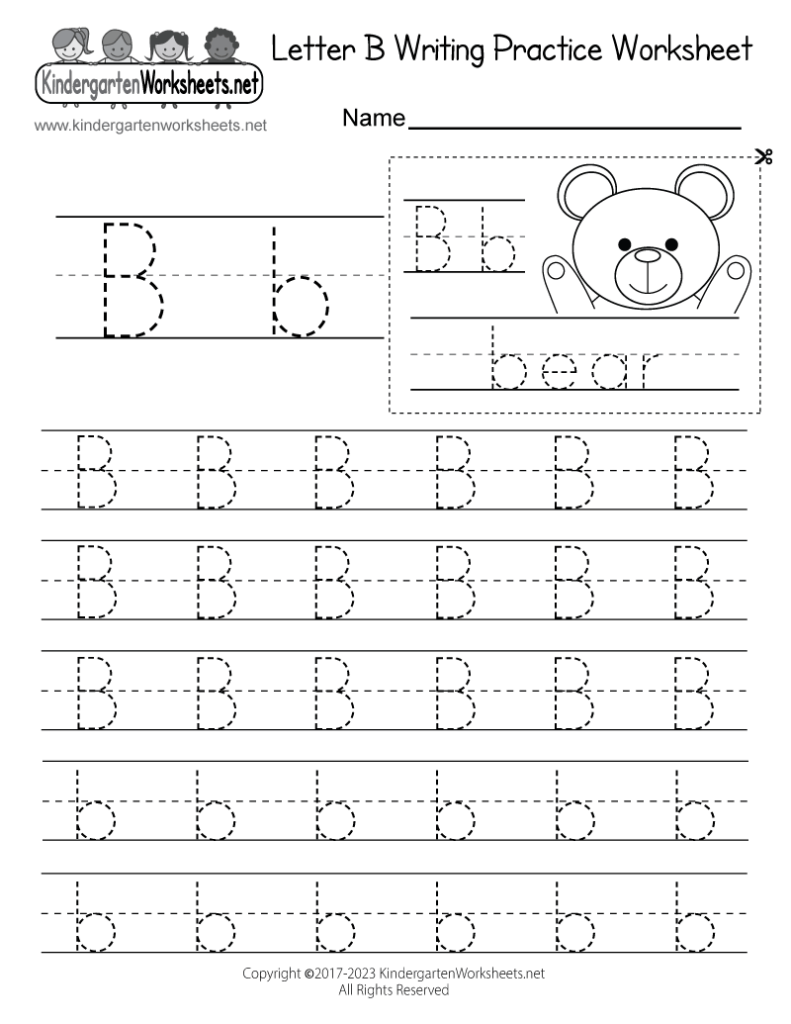
These kindergarten worksheets letter b are specifically designed to bridge the gap between letter recognition and physical writing. When children practice tracing, they are engaging in vital fine motor activities that strengthen the small muscles in their fingers and hands. This process helps them internalize the curves and straight lines that make up the uppercase and lowercase versions of the letter, ensuring they understand correct letter formation before moving on to independent writing.
Tips for Effective Tracing Practice
To get the most out of these printable activities, consistency is key. Start by modeling how to hold the pencil correctly, emphasizing a relaxed grip that allows for fluid movement. Encourage students to follow the directional arrows provided on the page, as these guides teach the proper stroke order necessary for fluid handwriting. By breaking the letter down into simple, manageable steps, children feel less overwhelmed and more successful during their daily writing practice.
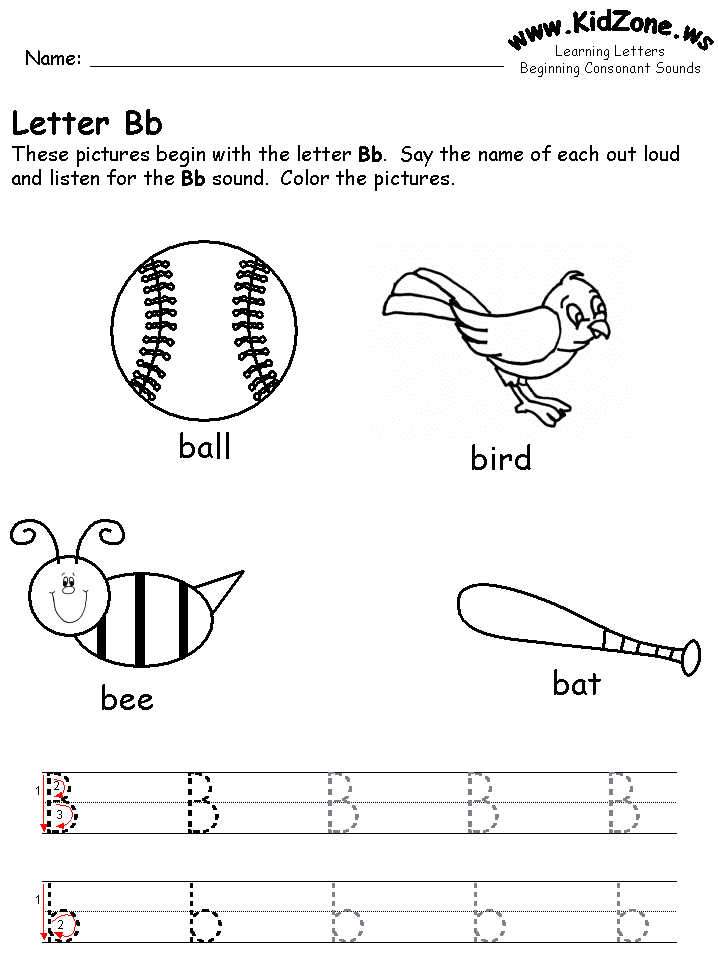
Before handing over a pencil, try introducing the letter B through sensory exploration to reinforce learning. You might ask children to trace the letter in a tray of sand, use clay to roll out the shape, or sky-write the letter in the air using big arm movements. These multisensory strategies serve as excellent warm-ups for more formal preschool worksheets, helping students cement the visual and tactile memory of the letter before they ever touch a sheet of paper.
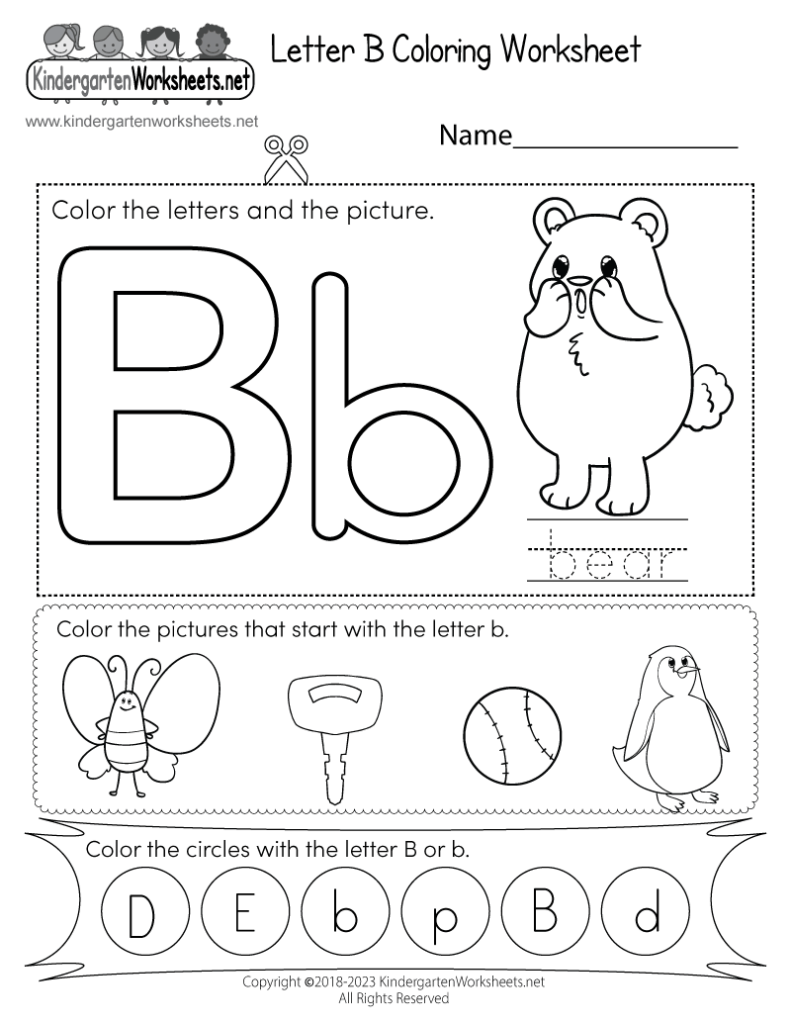
In a classroom or homeschool setting, these resources serve as a perfect addition to a centers-based curriculum. You can laminate the pages to create reusable dry-erase practice mats, allowing children to experiment with letter formation repeatedly without the pressure of making a permanent mistake. This approach turns writing into a low-stakes, high-engagement activity that fits easily into morning work or quiet individual study time, helping students gain fluency at their own pace.
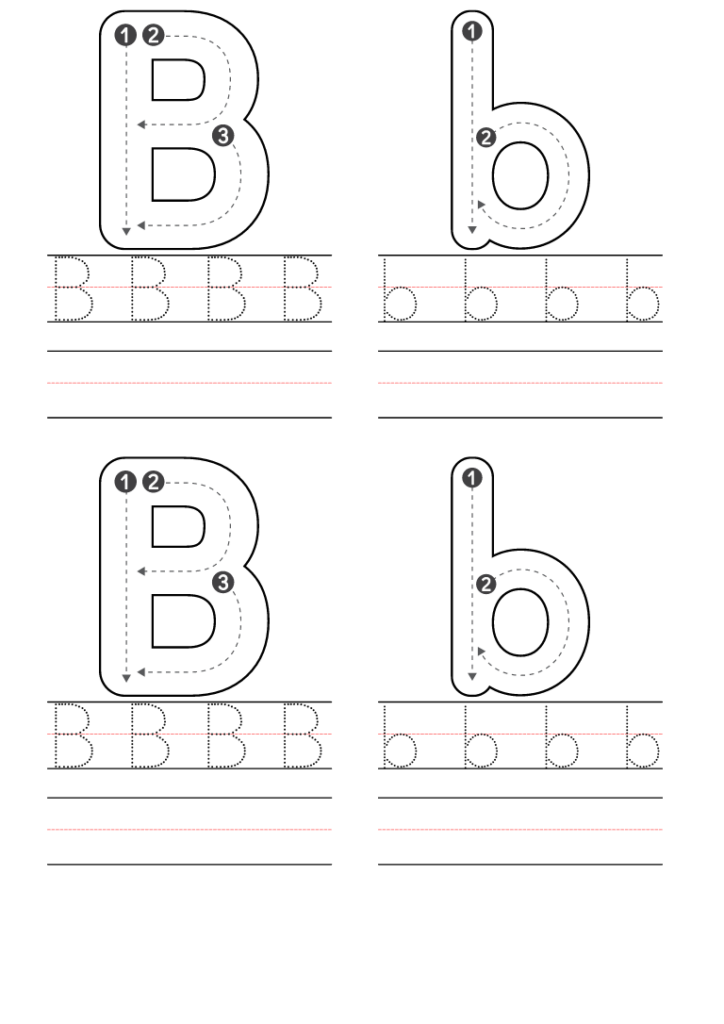
Ultimately, the goal of using these tools is to foster a positive relationship with literacy and creative expression. By integrating these lessons into your daily routine, you provide a stable foundation that supports early readers and writers. Whether you are a teacher looking for supplemental material or a parent supporting your child at home, these printable activities provide the structure needed for long-term academic success as children transition toward more complex writing tasks.