Integrating science vocabulary into your literacy block is a brilliant way to reinforce key concepts. Our latest printable combines life science with essential literacy practice to help third graders thrive in both subjects simultaneously.
Bridging Science and Literacy
When children learn about the life cycle of plants, they encounter challenging terms like germination, photosynthesis, and nutrients. By using 3rd grade spelling words worksheets specifically tailored to these botanical concepts, students move beyond simple memorization. These printables help solidify their understanding of how plants grow from seeds into flowering organisms. By writing these terms repeatedly, children develop the muscle memory and cognitive recognition necessary to use this scientific vocabulary with confidence during group discussions and independent research projects.
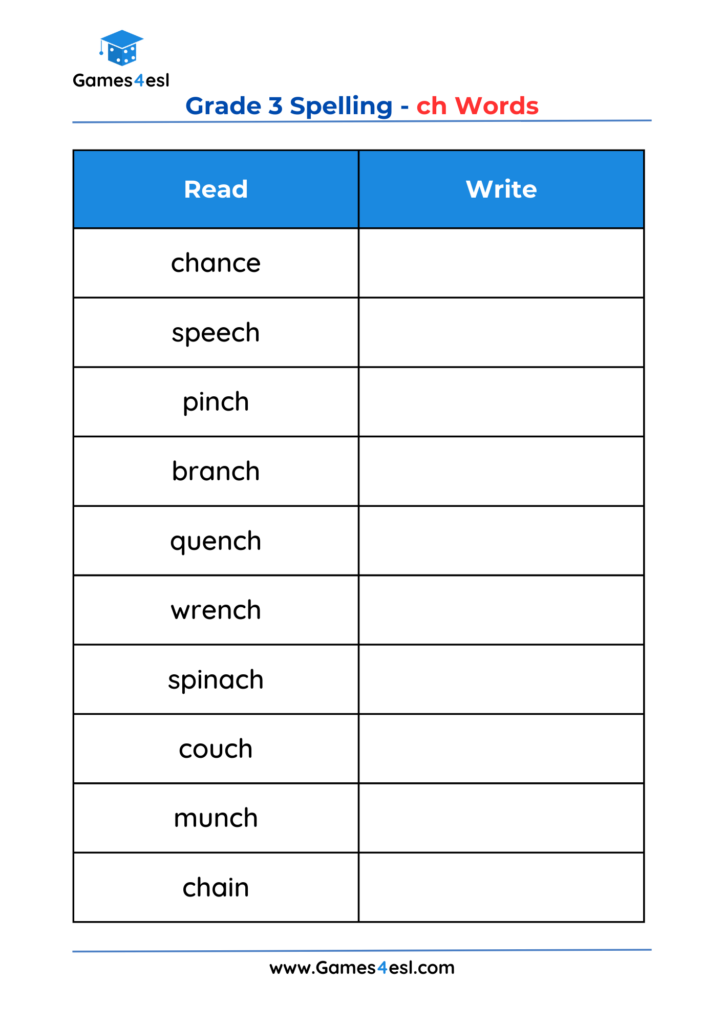
These classroom printables serve as a versatile tool for teachers looking to differentiate instruction. You can assign specific word lists based on student ability, ensuring that every learner is challenged without feeling overwhelmed. For instance, advanced students might research the definitions of complex plant anatomy terms, while others focus on spelling and basic recognition. By incorporating these 3rd grade spelling words worksheets into your daily morning work or science centers, you create a seamless transition between language arts and your core curriculum.
Strategies for Home and School
Parents and homeschoolers often look for ways to make study sessions feel less like chores and more like engaging discoveries. Using high-quality science activities at home allows families to connect lessons to the real world, such as observing a garden or tracking a potted bean plant. When children use our 3rd grade spelling words worksheets to label the parts of the plants they see in their own backyard, the vocabulary becomes anchored in their lived experience. This practical application transforms abstract definitions into tangible knowledge that sticks.
To make the most of these learning materials, consider setting up a dedicated science station where children can access their printables alongside reference books and magnifying glasses. Encourage them to draw illustrations next to their spelling words to activate visual learning pathways. Whether you are homeschooling or providing extra support at home, these worksheets offer a structured way to track progress and celebrate small victories in vocabulary acquisition throughout the academic year.
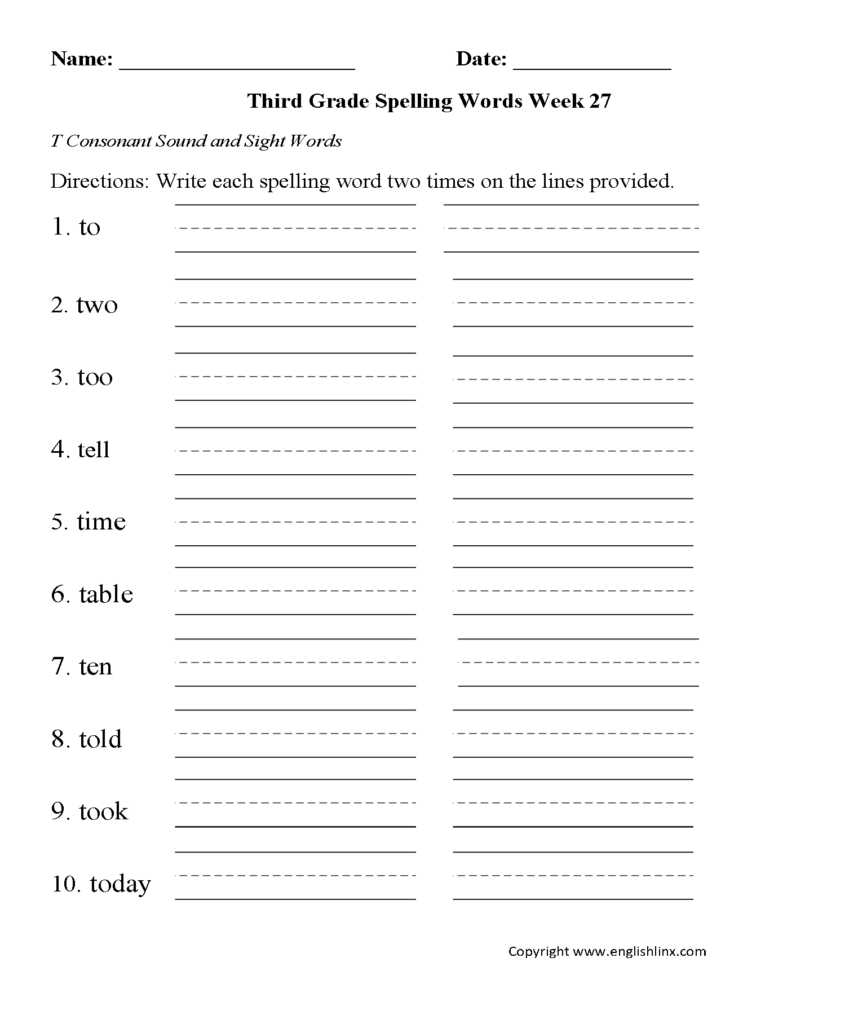
Hands-on learning is a vital component of any science curriculum, as it allows students to experiment and hypothesize. Alongside your spelling practice, try conducting a simple experiment where children plant seeds in different types of soil or varying amounts of light. As they record their observations, encourage them to use the scientific terminology they practiced earlier in the day. This reinforcement cycle ensures that kids learning science concepts are truly internalizing the language of the field.
Another effective activity involves creating a 'Science Word Wall' where children post their completed 3rd grade spelling words worksheets alongside photos or drawings of the plants they are studying. This collaborative display turns the classroom or homeschool room into an interactive environment where vocabulary is constantly visible and accessible. You might also challenge students to use three of their spelling words in a single sentence describing the plant life cycle to further hone their writing skills.
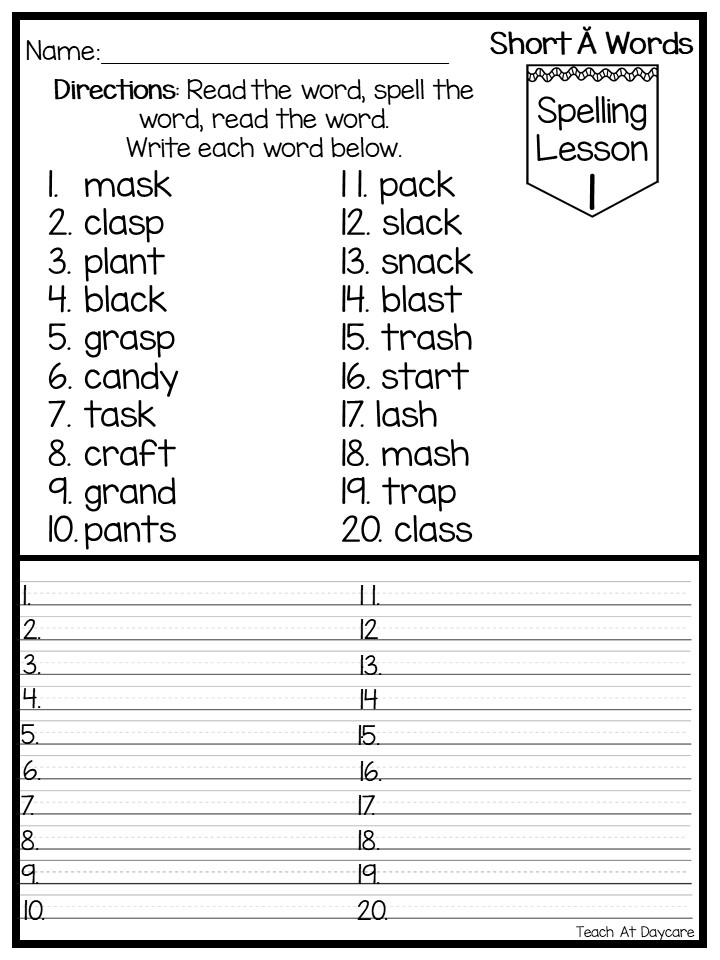
For a more kinesthetic approach, play a matching game where students must pair a word card with its correct definition or a picture of a plant part. You can easily adapt these 3rd grade spelling words worksheets into flashcard sets for quick review sessions that keep energy levels high. By keeping the activities varied and creative, you ensure that the scientific process remains exciting and that students look forward to their daily spelling practice as a gateway to new discoveries.
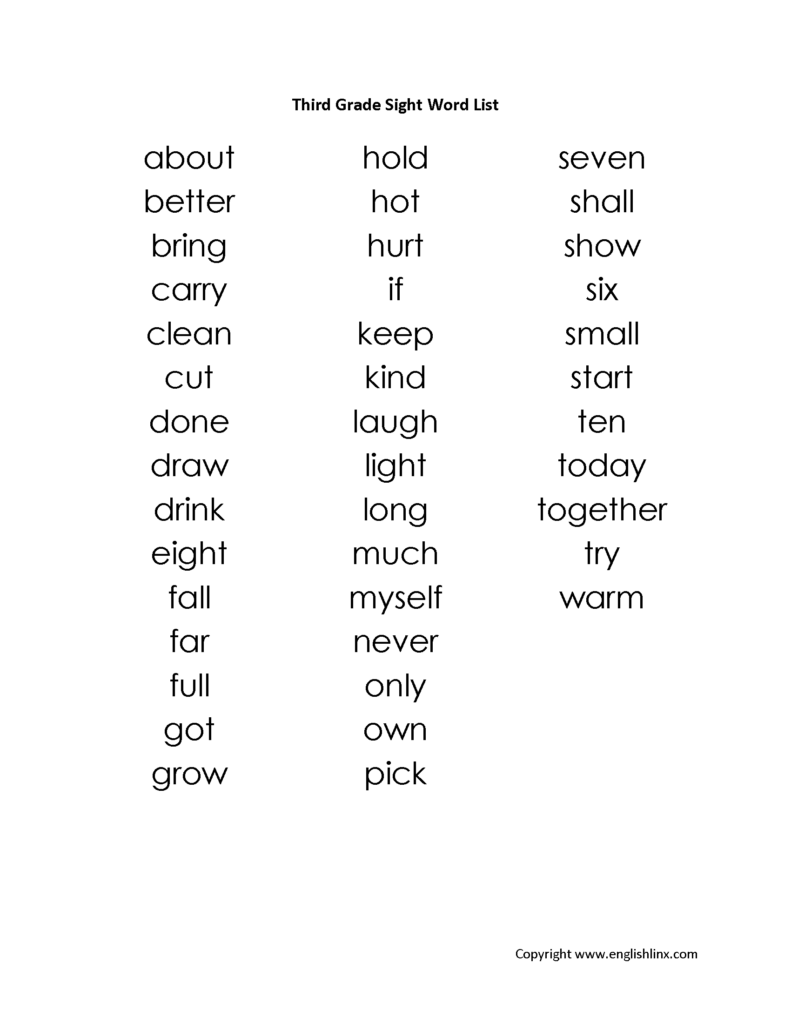
Ultimately, the goal is to build a foundation of curiosity that lasts well beyond the third grade. By thoughtfully combining literacy and science, you provide students with the building blocks they need to express complex thoughts about the natural world. Whether through formal classroom instruction or cozy home learning sessions, these resources empower children to become articulate observers of the environment. With consistent practice and a playful spirit, even the most challenging vocabulary can become a favorite part of a student’s daily routine.