Integrating core math skills with fascinating science concepts helps young learners see the connections in the world around them. Our latest printable blends the basics of animal habitats with early mathematical thinking to build confidence in both subjects.
While formal multiplication is usually introduced in later grades, early exposure to the concept of equal groups is a fantastic way to prepare students for future success. Our 1st grade multiplication worksheets focus on the foundational idea of repeated addition by asking children to count sets of animals found in various habitats. By grouping penguins on icebergs or squirrels in trees, students visualize how numbers accumulate in equal sets, bridging the gap between basic counting and future algebraic thinking. These classroom printables are designed to make abstract math feel tangible and relevant to their curiosity about the natural world.
Developing Number Sense Through Nature
These science worksheets provide a unique framework for teaching biology alongside mathematics. As children identify the number of legs on a spider or the number of wings on a group of butterflies, they are engaging in basic biological classification while simultaneously performing simple mental math. This dual-focus approach ensures that kids learning in a classroom setting can easily switch between analytical thinking and observational science. Teachers often find that when students apply their counting skills to animal groupings, they grasp the logic of multiplication much faster than they would with plain numbers on a page.
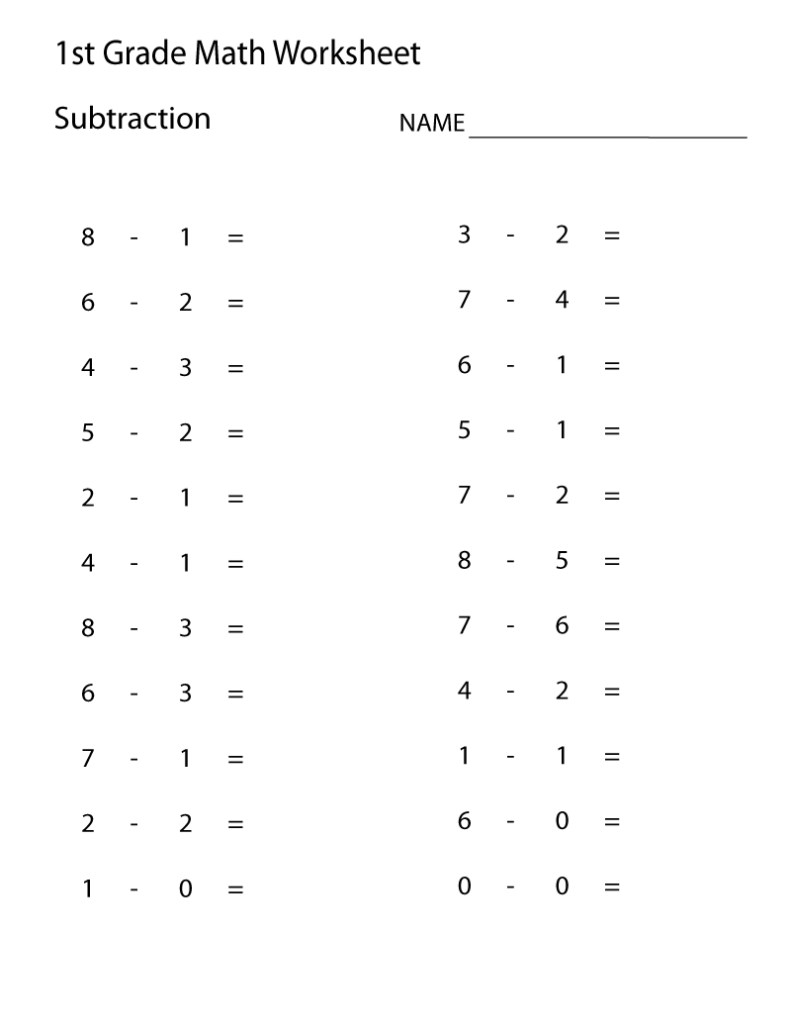
In a traditional classroom, educators can use these materials as a warm-up activity during morning meetings to spark conversation about ecosystems. By projecting the worksheet on a screen, teachers can guide students to circle groups of three or four creatures, turning a solitary task into a collaborative discovery session about forest or ocean biomes. These homeschool activities are equally effective for parents who want to foster a love for science while reinforcing math fluency. Because the problems are embedded within a habitat theme, children often stay focused longer, as they feel like they are exploring wildlife rather than just grinding through repetitive drills.
Strategies for Home Learning
When using these resources at home, try to create a hands-on extension to make the lesson come to life beyond the paper. You might gather small plastic animal figurines and ask your child to create their own arrays on the kitchen table to match the problems shown on their 1st grade multiplication worksheets. Providing physical manipulatives helps solidify the concept of equal groups, allowing children to see how five groups of two animals result in ten creatures total. This tactile interaction turns screen-free study time into a rich sensory experience that strengthens both fine motor skills and numerical logic.
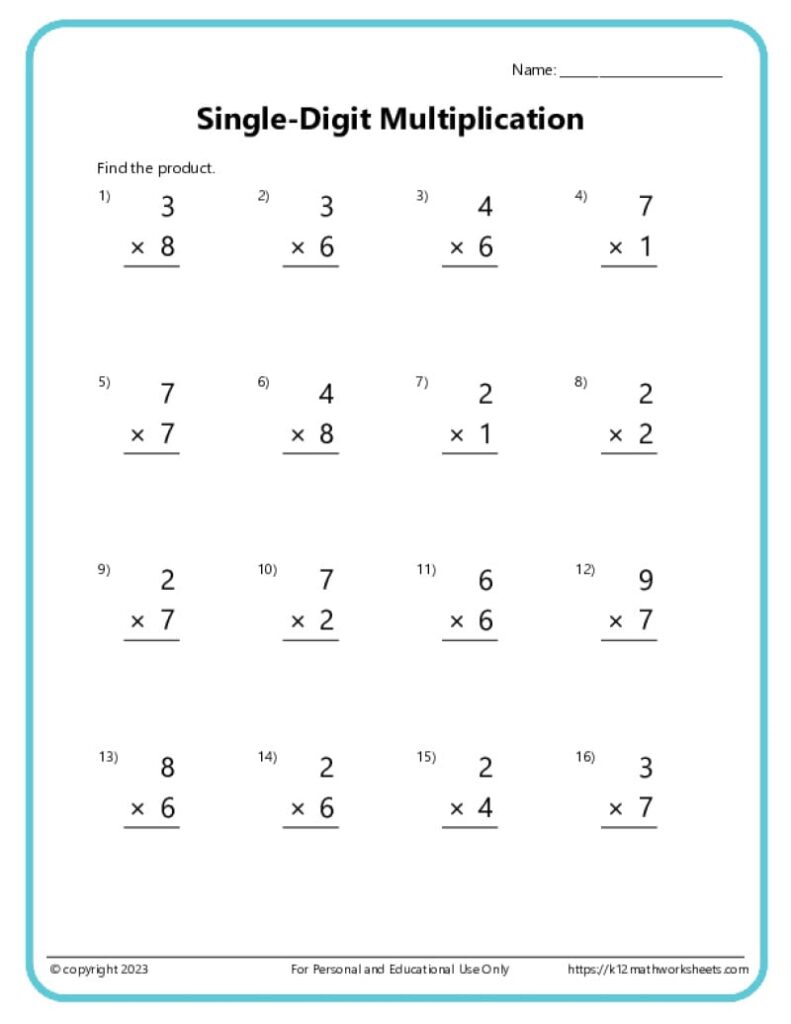
To further integrate science into your daily routine, consider pairing these printables with a trip to the local zoo or a nature walk in a nearby park. You can challenge your child to count groups of birds or insects they observe, asking them to solve a quick multiplication-style problem based on their real-world findings. This helps translate the work on the page into a deeper appreciation for the biodiversity around them. Encouraging this habit of observation ensures that your child views math not as an isolated skill, but as a versatile tool for understanding the complexity of their local ecosystem.
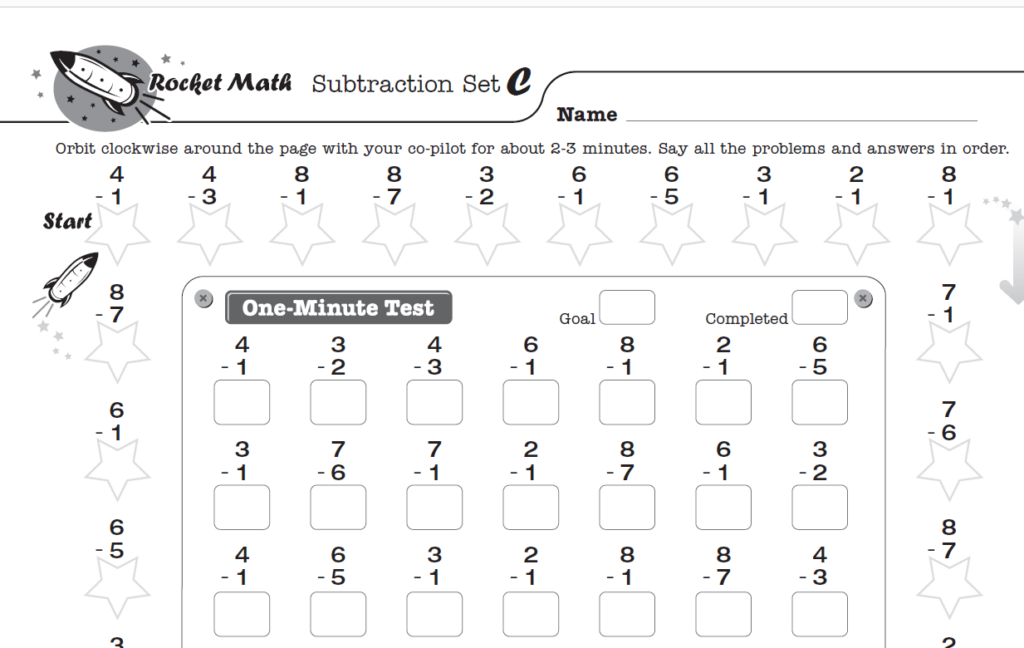
The key to successful learning is variety, so do not hesitate to rotate these worksheets with other hands-on science activities like building terrariums or tracking seasonal weather changes. By keeping the content fresh and tied to their natural interests, you minimize frustration and maximize enthusiasm. When children feel successful with these early grouping challenges, they develop a positive growth mindset that carries over into more complex academic subjects. Building this foundation early creates a smoother transition when they eventually move into formal multiplication tables in later years.
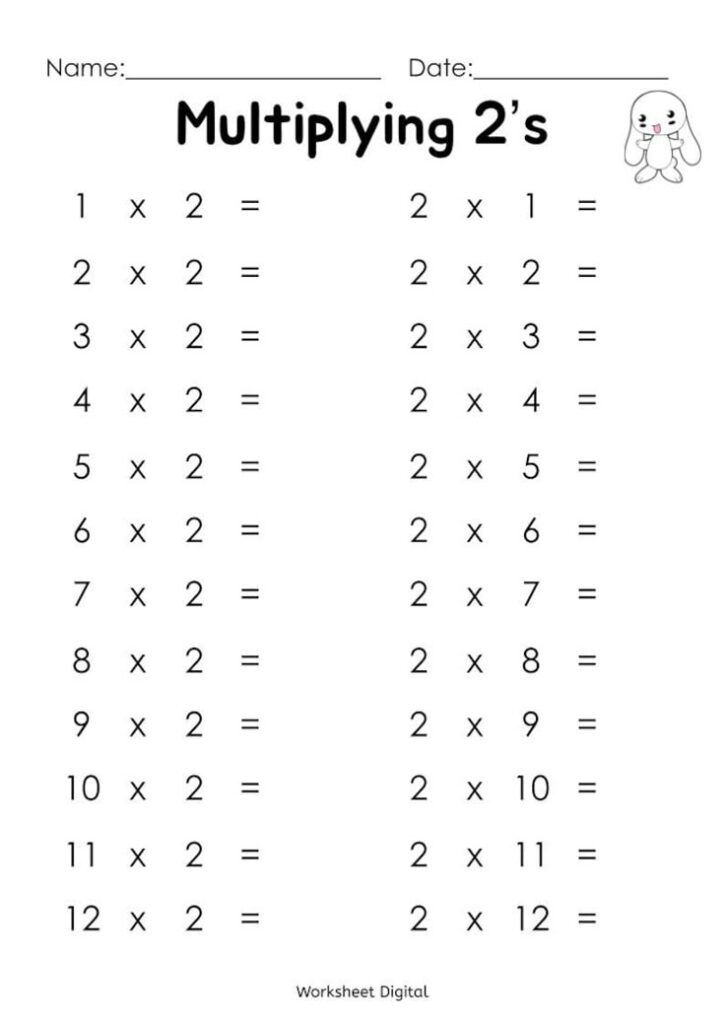
Consistency is truly the secret ingredient for mastering these early numeracy skills. By setting aside just fifteen minutes a few times a week for these targeted exercises, you will likely see a significant boost in your child's confidence and problem-solving speed. We encourage you to celebrate every breakthrough, whether it is mastering a specific pattern or accurately identifying an animal's habitat type during the process. These small wins build the momentum necessary for long-term academic growth and help foster a lifelong passion for scientific inquiry.
As you continue to support your young learner, remember that these tools are meant to be a guide for exploration rather than a test of their endurance. Feel free to adapt the difficulty or provide additional visual aids if a particular animal habitat feels too challenging. By providing a supportive environment where math and science are treated as teammates, you are giving your child the best possible start in their educational journey. We hope these resources provide many moments of discovery and joy for your growing student.