When children begin their journey into literacy, mastering the simplest word patterns is a crucial first step. Using well-designed cvc worksheets for kindergarten provides students with the targeted practice they need to decode basic words and develop reading fluency and confidence.
Why CVC Worksheets for Kindergarten Matter
Consonant-vowel-consonant words, or CVC words, represent the foundational building blocks of English phonics. This worksheet introduces children to simple three-letter structures like cat, dog, or bus, which rely on short vowel sounds. By focusing exclusively on these predictable patterns, young learners can practice segmenting and blending sounds without being overwhelmed by complex spelling rules or silent letters.
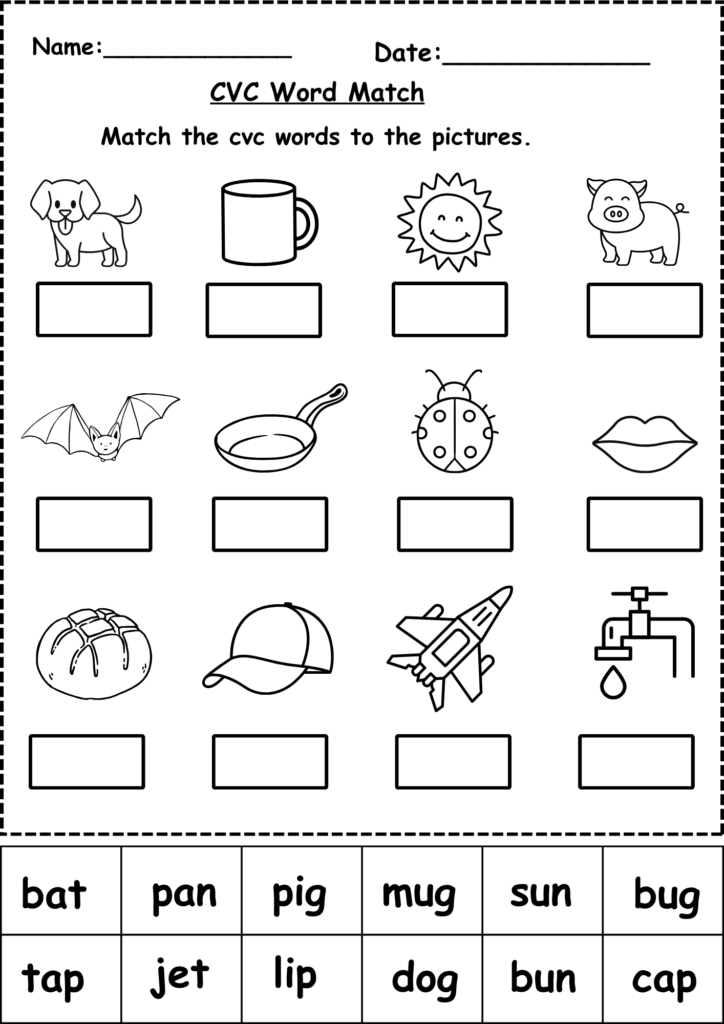
This printable resource is specifically tailored for children who have already mastered letter recognition and are just beginning to hear individual phonemes. It serves as a bridge between isolated letter sounds and actual word formation. The clear layout encourages visual processing and fine motor development as students trace, write, or circle the correct word associations for each image.
Core Skills and Developmental Benefits
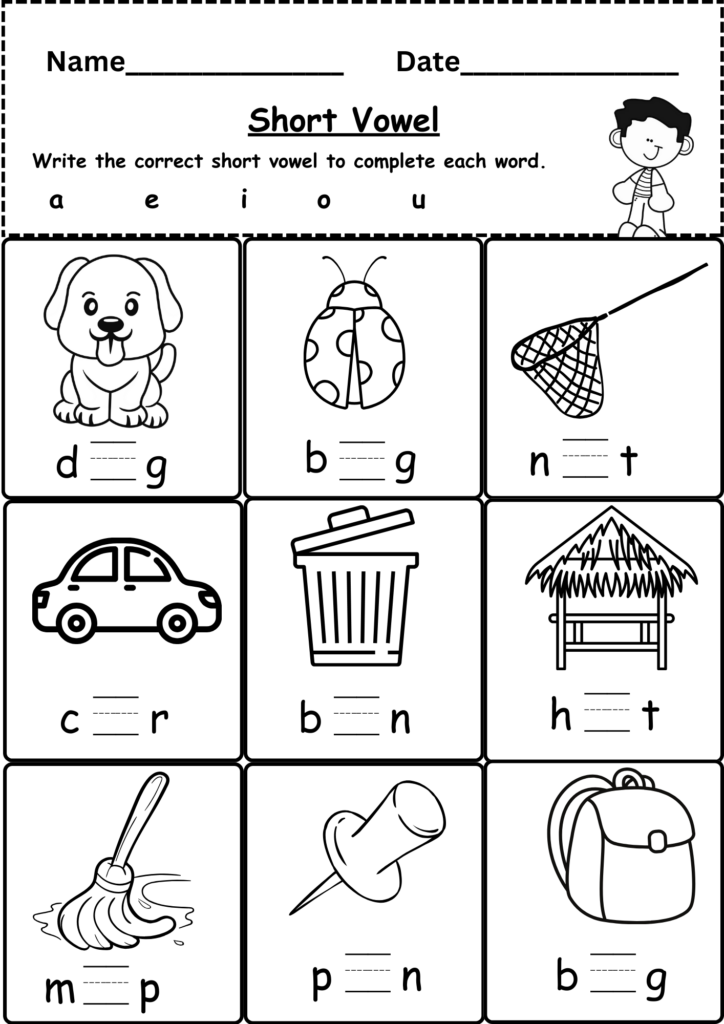
The primary goal of this exercise is to sharpen phonemic awareness, which is the ability to hear and manipulate individual sounds in spoken words. As children look at an image and identify the missing vowel or consonant, they are actively practicing sound-symbol correspondence. This cognitive process is essential for transitioning from basic letter identification to the sophisticated act of reading simple sentences.
Beyond phonics, these exercises help improve pencil grip and spatial awareness on the page. Because the format is simple and predictable, children often feel a sense of accomplishment upon completion. This immediate feedback loop is vital for maintaining a positive attitude toward learning and literacy during the formative kindergarten years.
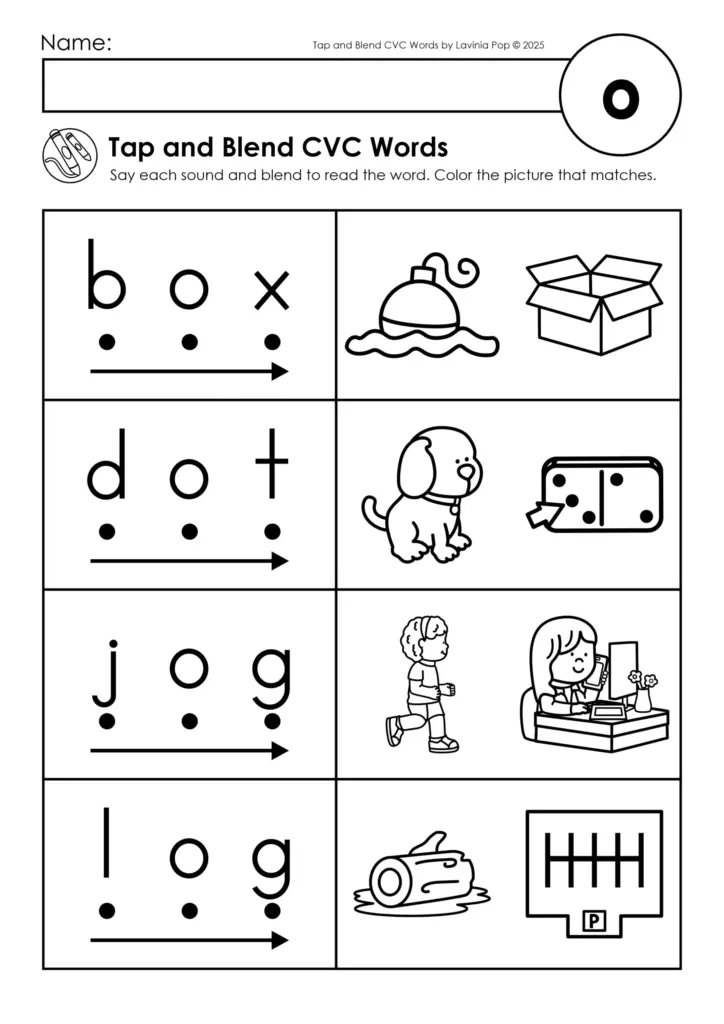
Parents and teachers can maximize the utility of these pages by creating a low-pressure environment for practice. Start by having the child say the word aloud slowly, stretching out each sound like a rubber band before writing it down. This auditory reinforcement helps anchor the visual task in their memory, making the connection between the letters on the paper and the sounds in their speech.
For classroom settings, consider using these as warm-up activities during morning meetings to help settle the group. If working one-on-one at home, allow the child to use colored markers or stickers to identify the short vowel sounds within the words. Keeping the activity brief and focused ensures that students remain engaged without becoming fatigued by the repetition of phonics drills.
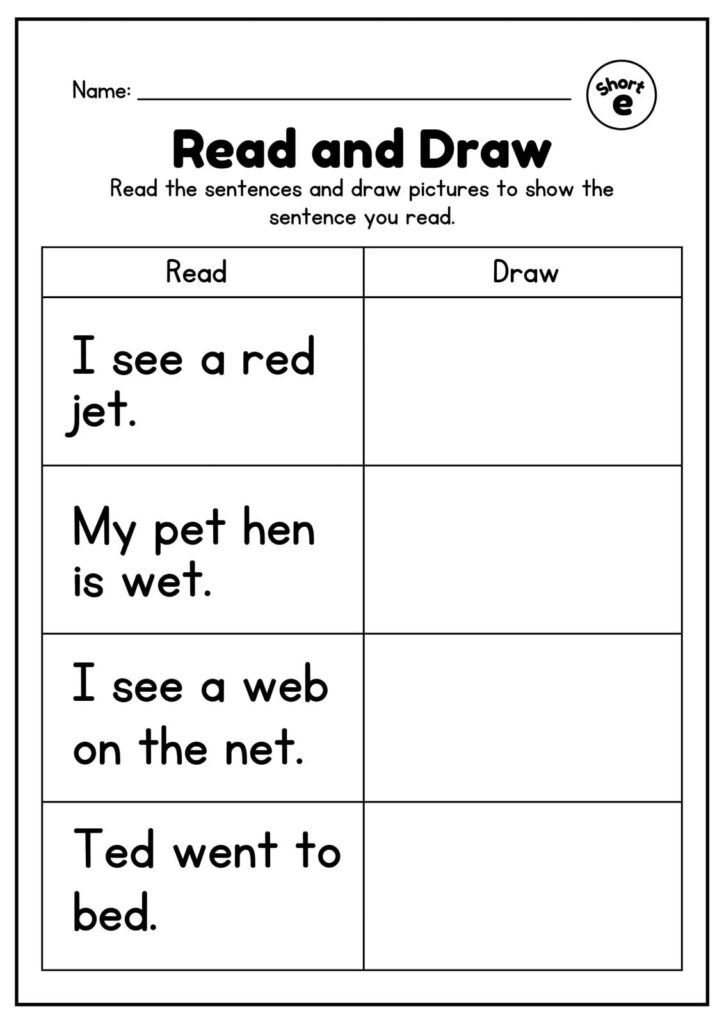
To deepen the learning process, pair the worksheet with hands-on manipulatives such as magnetic letters or plastic blocks. After completing a row of CVC words on the page, have the child physically build those same words using alphabet tiles on a table. Drawing a small, quick sketch next to each word they write is another great way to prove reading comprehension, ensuring they understand the meaning rather than just decoding the letters.
Encouraging children to read their finished words to a stuffed animal or a parent can also boost their self-esteem significantly. Since consistency is key in early education, weaving these short, focused tasks into a daily routine will yield the best results for young readers. Watching a child decode their first full word is a rewarding milestone that paves the way for a lifelong enjoyment of books and independent reading.