It is no secret that children experience big emotions just like adults do. Integrating mindful activities into your daily routine helps kids process these feelings. Using printable stress relief worksheets allows students to find focus through the rhythmic repetition of handwriting practice.
The benefits of gentle handwriting
When children engage in tracing worksheets, they are doing more than just learning to form letters. The repetitive nature of tracing lines and shapes provides a sensory-rich experience that can ground a child during overwhelming moments. By focusing on the movement of their pencil, students naturally slow their breathing and lower their heart rate. This type of quiet, purposeful writing practice acts as a bridge between high-energy play and structured learning, allowing the brain to reset and find a sense of inner balance.
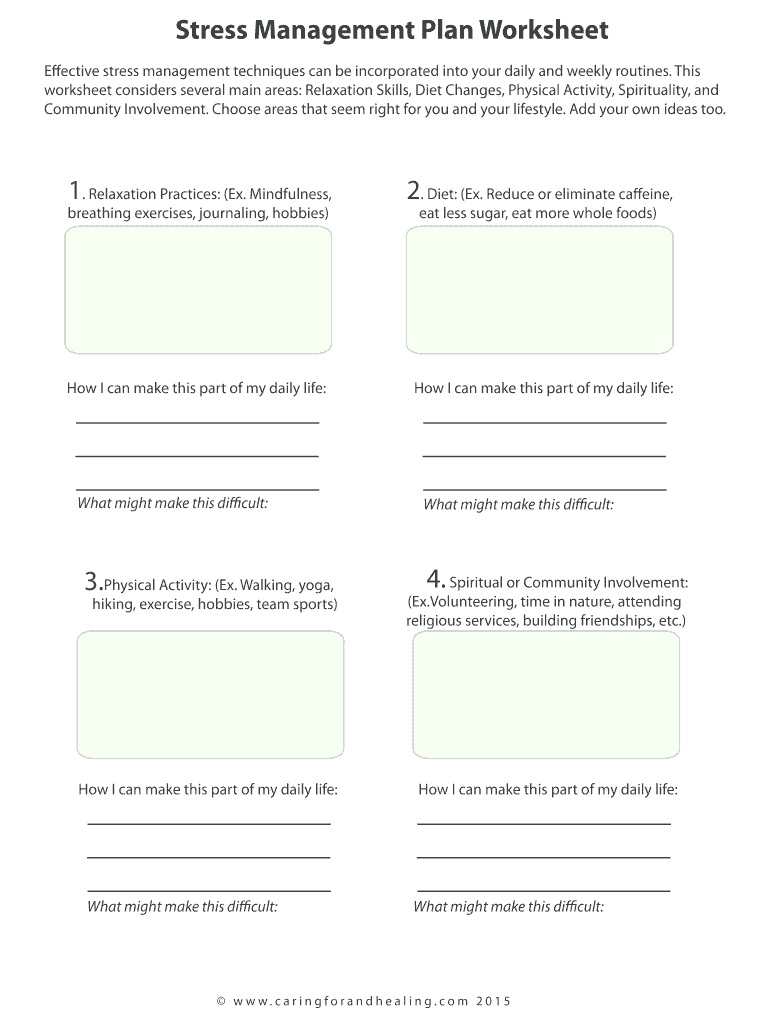
These printable activities are designed to build essential fine motor skills while encouraging a slower pace. In our current fast-paced world, kindergarten worksheets that prioritize quality of movement over speed can be incredibly beneficial. As children carefully guide their writing utensils along the paths, they are refining their hand-eye coordination and finger dexterity. Whether you are using these at home or in the classroom, the goal is to provide a low-pressure environment where the focus remains on the calming rhythm of the hand rather than the final perfection of the letter.
To get the most out of these materials, consider setting up a dedicated calm-down corner in your classroom or a quiet nook at home. Provide a variety of writing tools, such as colored pencils, crayons, or markers, to make the experience more inviting and personal for the child. When you introduce these pages, model the process by moving slowly and intentionally. Encourage the children to take a deep breath before they begin and to enjoy the physical sensation of the pencil moving across the paper surface.
Hands-on prep and extension activities
Before jumping into the worksheets, try warming up the hand muscles with simple fine motor activities. Stretching the fingers wide and then squeezing them into a tight fist can release physical tension. You might also provide playdough for rolling snakes or balls, which helps loosen up the wrists and palms. These short, tactile movements prepare the muscles for the precision required in letter formation, making the transition to paper much smoother and more enjoyable for the young learner.
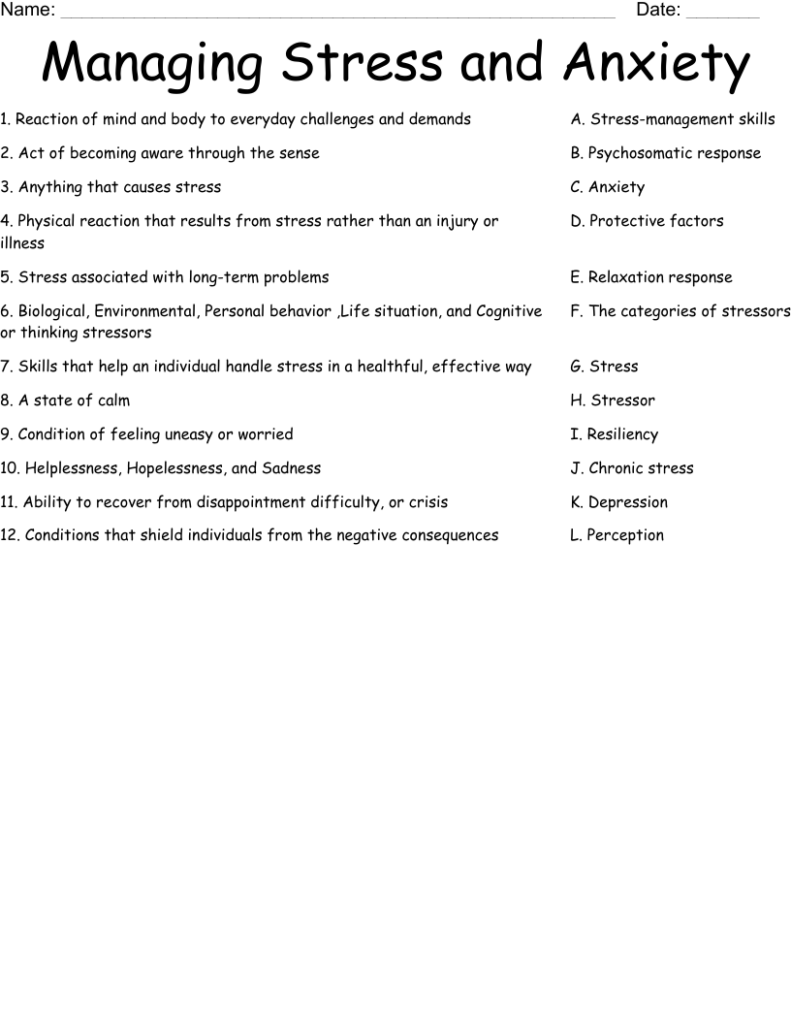
After completing the tracing portion, extend the activity by allowing children to color the borders or doodle in the margins of the paper. This allows for creative expression once the focused handwriting work is finished. For younger children, you could even laminate the pages so they can use dry-erase markers, making the activity reusable and less intimidating. This flexibility ensures that the task feels like a comforting choice rather than an additional academic chore, which is key to maintaining a positive association with writing.
In a school setting, these tools are perfect for transitions, such as the period after lunch or recess when energy levels need to be recalibrated. Simply place a few sheets out on the tables along with some soft background music to signal that it is time for mindful work. Teachers often find that these quiet moments lead to better behavior and increased concentration for the rest of the afternoon. Parents can use this same approach at home to help children decompress after a long day at school or before settling down for an evening routine.
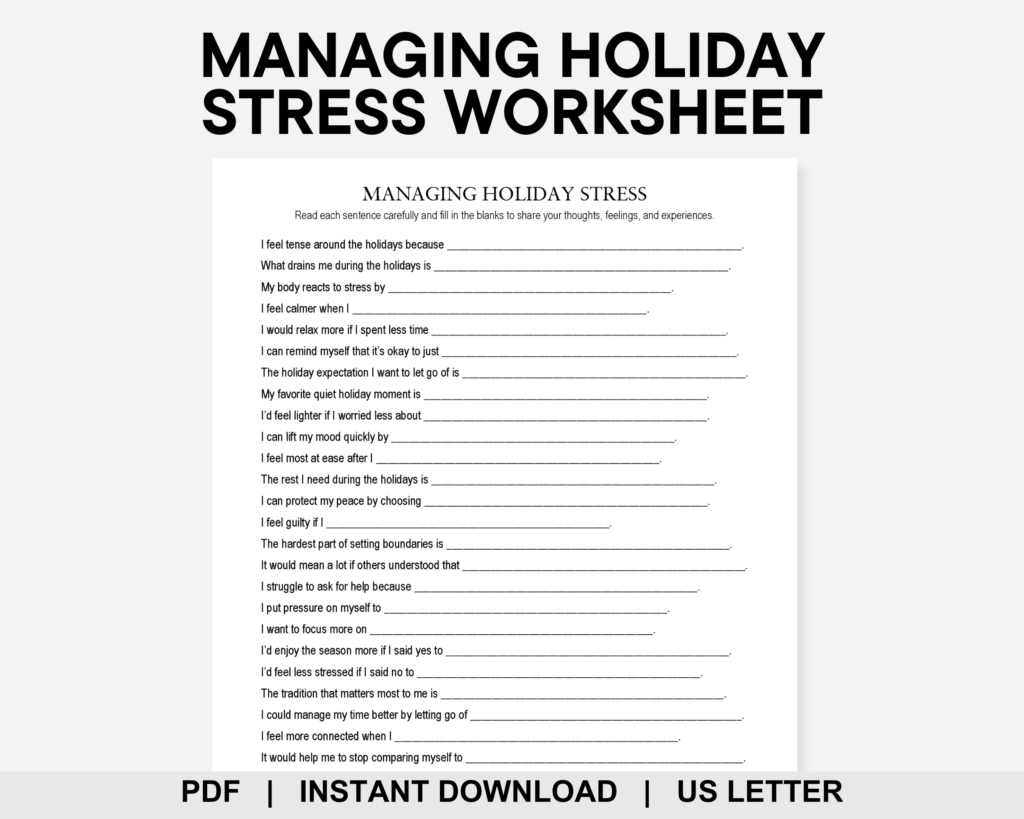
Ultimately, incorporating these peaceful writing habits into the day teaches children that they have the power to regulate their own emotions. By providing a safe space to practice letters and shapes, you are supporting their academic growth and their emotional well-being simultaneously. Whether used daily or as needed during difficult moments, these simple, guided activities foster a sense of competence and calm. With consistent use, children will learn to view writing as a helpful, soothing tool that they can rely on whenever they need to find their center again.