Helping a young reader navigate the English language can be rewarding, especially when they begin to grasp complex sounds. Using high-quality sh phonics worksheets is a simple yet effective way to reinforce digraph recognition and build confidence in early literacy skills.
When children start moving beyond basic consonant sounds, they often encounter the 'sh' digraph, which is where two letters come together to create a completely new sound. Our primary focus with these printable activities is to help students distinguish the unique 'sh' sound from similar-sounding letter combinations like 'ch' or 's'. By providing targeted practice through visually engaging exercises, these materials allow learners to see the pattern in action while connecting the auditory sound to the written text.
Why SH Phonics Worksheets Matter for Early Readers
These worksheets are specifically designed for early elementary students who are ready to transition from simple CVC words to more complex phonemic awareness tasks. By isolating the 'sh' sound in various positions—such as the beginning of 'ship' or the end of 'fish'—children develop a stronger sense of word structure. This repetition is essential for cementing the phonetic rules that will eventually allow them to decode unfamiliar words with greater speed and accuracy.
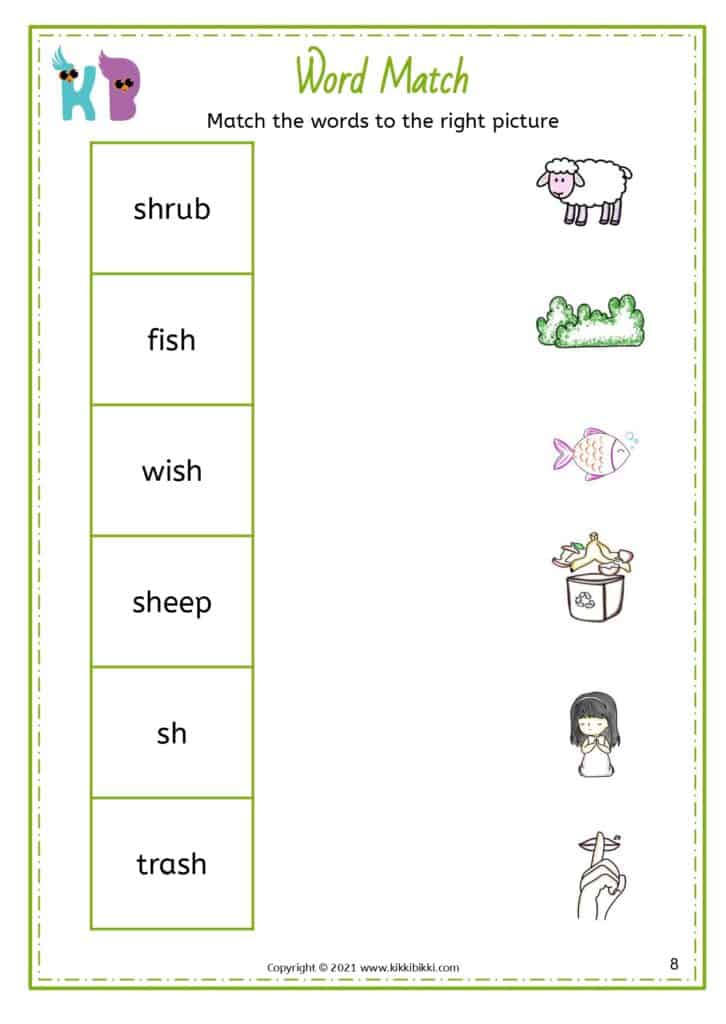
The primary skill practiced here is phoneme-grapheme mapping, which is the process of linking a specific sound to its corresponding written symbol. As children navigate the exercises, they exercise their auditory discrimination by listening for the 'sh' sound in different environments. This cognitive engagement helps bridge the gap between spoken language and reading comprehension, ensuring that they understand why letters behave differently when they are grouped together.
Teachers and parents can incorporate these materials into a daily routine by using them as a brief warm-up before reading a chapter book or a phonics-focused story. We recommend starting with a short review of the sound itself, perhaps by asking the child to say 'sh' while looking in a mirror to see their lip shape. Once they have completed the worksheet, you can transition into a dictation exercise where you say a word and they write down the digraph, further solidifying the connection.
Hands-On Activities for Digraph Mastery
You can easily extend the learning process beyond the page by turning the classroom or living room into a scavenger hunt for 'sh' words. Challenge the child to find three things in the room that have the 'sh' sound, such as a shirt, a shoe, or a shelf, and write those words on the back of their worksheet. Drawing pictures of these objects is another fantastic way to reinforce the meaning of the words they are practicing, as the visual element helps store the vocabulary in their long-term memory.
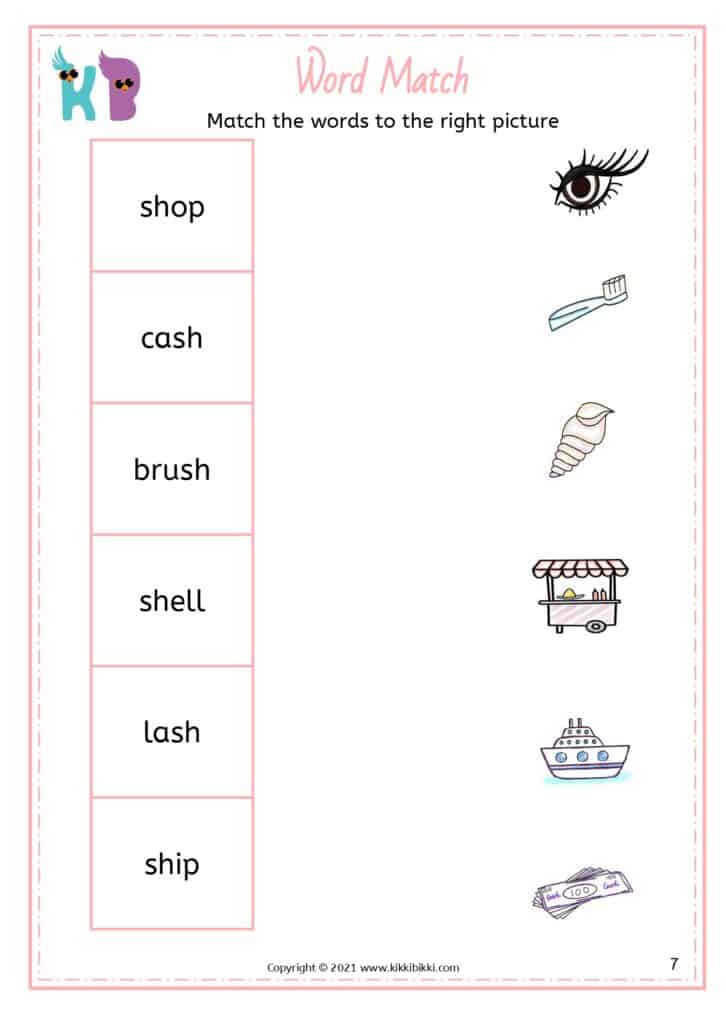
Another effective approach is to play a sorting game using physical objects or index cards labeled with words containing different digraphs. For instance, gather items like a brush, a dish, a shell, and a chair, then have the child sort them into buckets labeled with the 'sh' or 'ch' sound. This tactile experience makes the abstract concept of phonics feel tangible and exciting, which keeps the child motivated to continue practicing their literacy skills.
Reading aloud is perhaps the most natural way to practice what they have learned, as it allows them to identify the digraph in context rather than in isolation. Select books that have a high frequency of 'sh' words, such as stories about ships, sharks, or sheep, and invite the child to point out the digraph whenever they encounter it on a page. This turns reading into a collaborative game where they feel like a detective searching for the specific sound they just practiced.
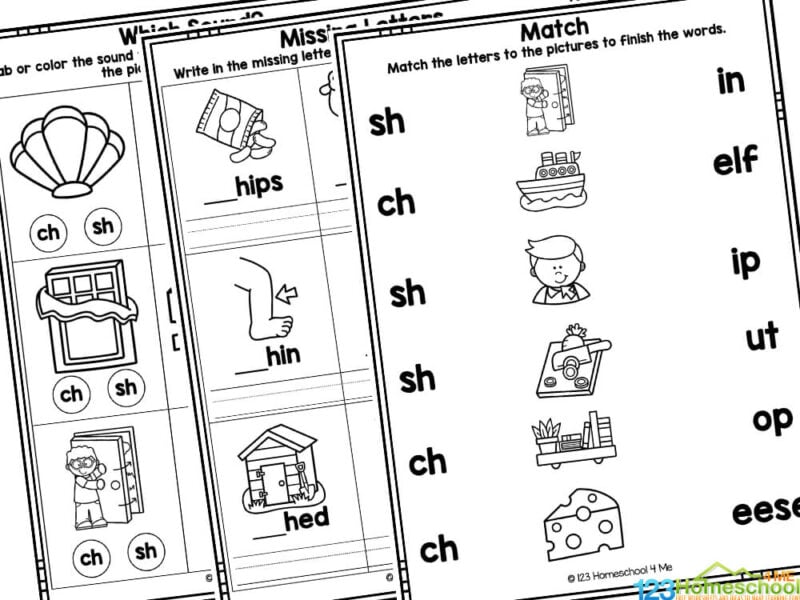
Consistency is key when developing foundational reading skills, so try to keep these sessions brief but frequent. As the child begins to recognize the 'sh' digraph with ease, you will notice their overall reading fluency start to flourish. By combining these structured phonics worksheets with play and real-world application, you provide a supportive environment where your child can develop the tools they need to become a confident, capable reader.