Integrating financial literacy into the science curriculum might seem unconventional, but it offers a brilliant way to teach students about exponential growth. By using a debt snowball worksheet, kids can visualize how small, consistent inputs lead to massive results in a dynamic system.
While the name suggests a financial tool, the underlying mechanism of the debt snowball is a perfect metaphor for biological and environmental phenomena. In science, we often observe how a small initial change in a population or ecosystem can cascade into a rapid, widespread transformation. This worksheet acts as a visual model, allowing students to map out these growth patterns using concrete, sequential steps that mirror natural processes like exponential population expansion or the spread of invasive species in a habitat.
Mastering Exponential Growth and Systems
Through this lesson, children learn the fundamental concept of compounding impact, which is essential for understanding topics like population dynamics or energy transfer. When students fill out the debt snowball worksheet, they are essentially tracking a cumulative process that builds momentum over time. This exercise encourages critical thinking by forcing them to look at how starting with a small unit—whether it is a single bacterial cell or a tiny investment—eventually leads to a significant, measurable outcome in a scientific environment.
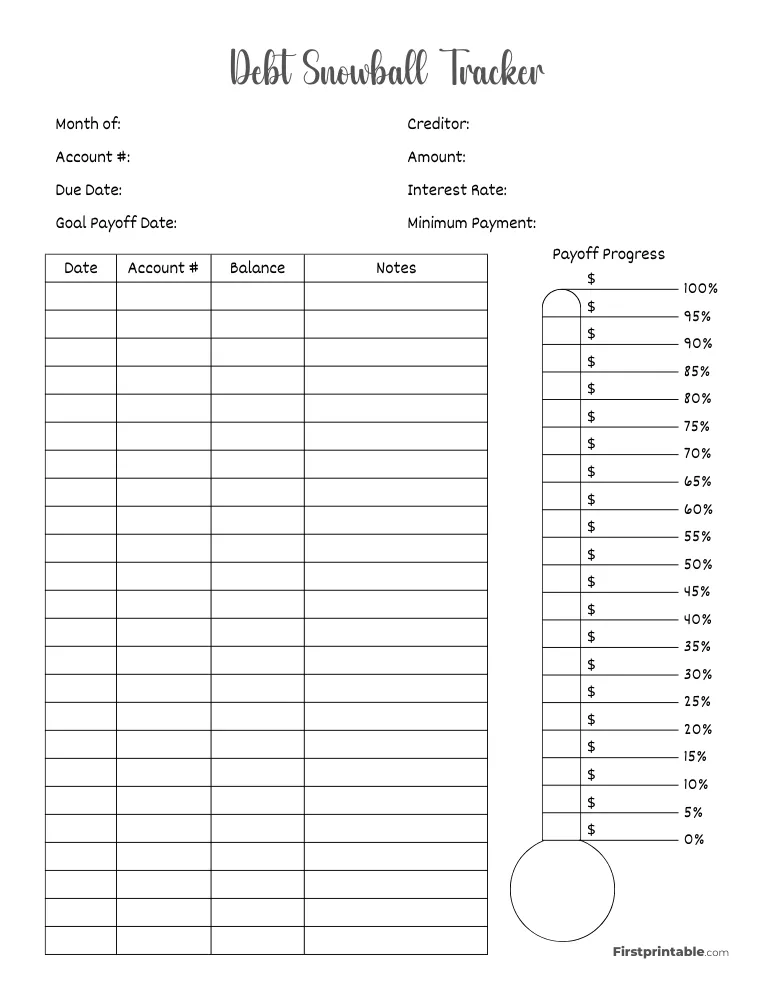
In the classroom, teachers can utilize these printables to bridge the gap between abstract mathematical concepts and tangible scientific observations. By distributing the debt snowball worksheet as part of a unit on ecology, educators can challenge students to simulate how a small group of animals grows within an isolated habitat. The structured columns of the worksheet help organize data collection, making it easier for students to analyze how each successive stage of growth influences the final total population count.
Homeschooling environments are particularly well-suited for this type of hands-on learning, as parents can tailor the data to reflect real-world scientific scenarios. Using the debt snowball worksheet at home allows for a slower, more deliberate pace where children can ask questions and experiment with different growth variables. It transforms a standard math-based tool into a fascinating study of natural progression, helping young learners see that the laws of physics and biology are present even in the tools we use to manage resources.
Hands-On Science Exploration Activities
To deepen the learning experience, consider pairing the worksheet with a physical simulation like the classic grain-of-rice-on-a-chessboard experiment. This activity provides a physical representation of how exponential growth functions, which complements the written work students perform on their debt snowball worksheet. By physically stacking items or charting the growth of a bean sprout, students can visualize the same compounding logic they are mapping out in their academic assignments.
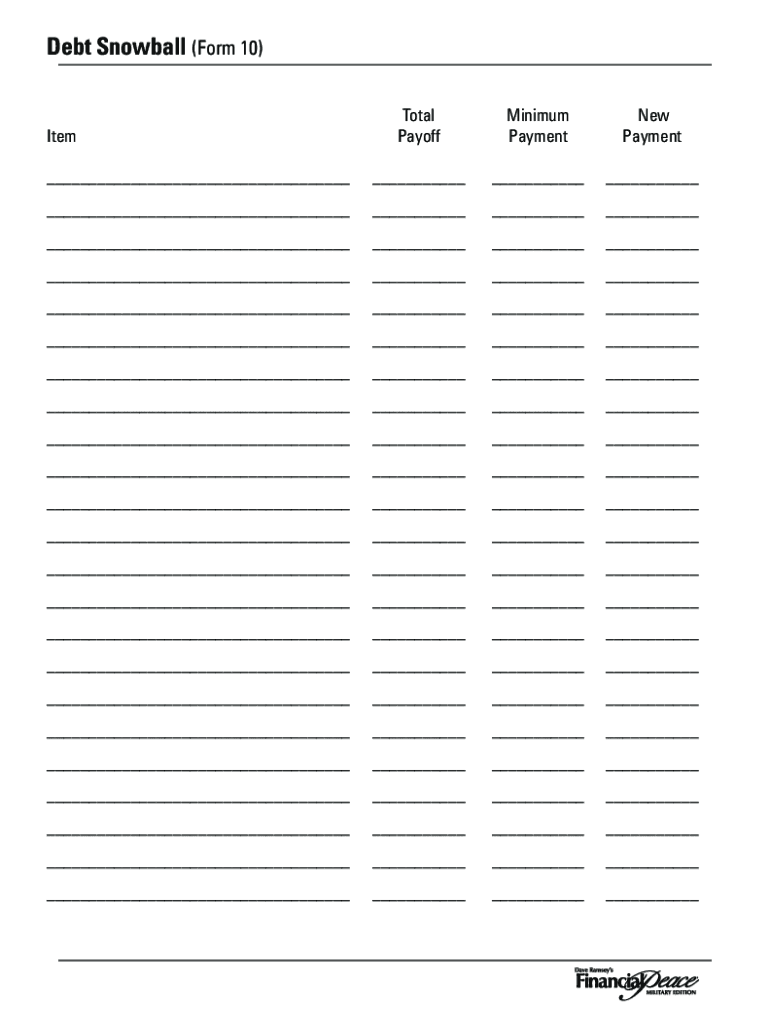
Another excellent extension activity involves tracking the spread of a simulated virus or the expansion of a crystalline structure. Students can use the logic of the debt snowball worksheet to predict how many units will exist after ten intervals, then compare their predictions against actual observation. This experimental approach reinforces the idea that scientific models are designed to simplify complex systems, making large-scale natural events easier to understand and analyze in a classroom setting.
Ultimately, the goal of these science activities is to instill a sense of curiosity about how small, consistent variables drive large-scale change in the universe. Whether your students are exploring the life cycle of plants or the complexities of a forest ecosystem, these resources help ground their knowledge in structured, analytical practice. By fostering these skills early on, we equip children with the ability to look at any system—financial or scientific—and understand the forces that propel it forward.
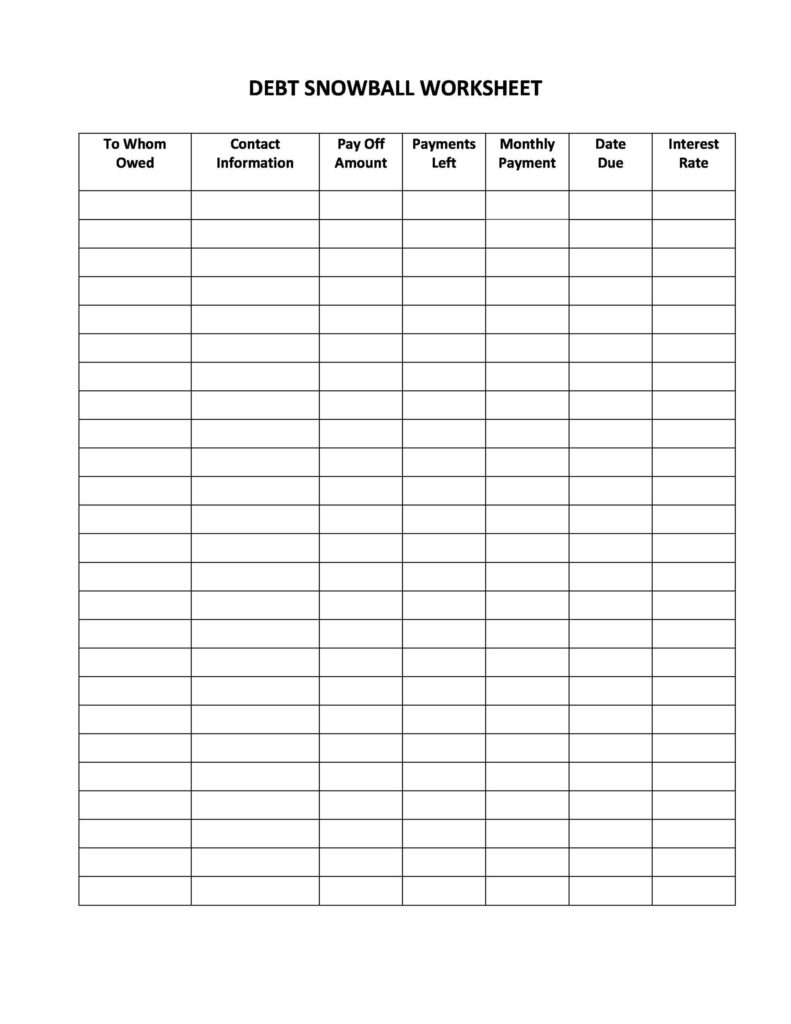
Encouraging your child to see the connections between different subjects is one of the most rewarding parts of modern education. When you use a debt snowball worksheet to explain growth, you are not just teaching a financial concept; you are helping them build the analytical framework they need for advanced scientific inquiry. These small efforts in the classroom or at the kitchen table pay off in the long run, creating capable, critical thinkers who are ready to take on the world.