Helping children learn the names of their anatomy is an essential milestone in early childhood development. Using a high-quality body parts worksheet, you can seamlessly combine science vocabulary with vital handwriting practice to support your child's academic growth.
A well-designed body parts worksheet acts as a bridge between physical movement and cognitive recognition. As children trace the labels for eyes, nose, and hands, they are simultaneously reinforcing their letter formation skills and building a stronger internal map of their own anatomy. These printable activities are specifically crafted to encourage controlled pencil movements, which is a fundamental requirement for developing the fine motor control necessary for successful writing later on.
Mastering Anatomy Through Writing
When students engage with these tracing worksheets, they get to practice the specific strokes required for alphabet letters within a meaningful context. Rather than just practicing repetitive lines, they are writing words that carry real-world weight and significance. By focusing on the correct path of movement, kids gain confidence in their penmanship while becoming familiar with the structure of common sight words, making these preschool worksheets an incredibly efficient tool for early learners.
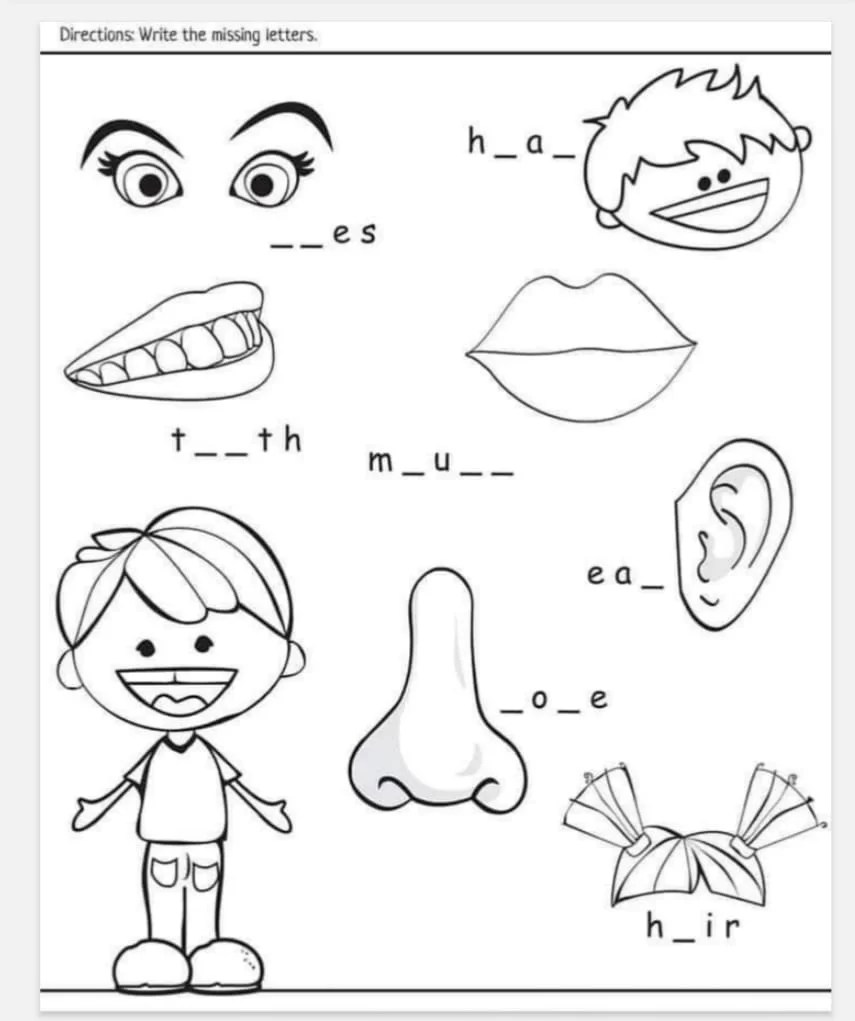
To get the most out of these materials, start by introducing the specific body part to the child before they ever pick up a pencil. You might touch your own nose or wiggle your fingers to make the learning experience tactile and engaging. Once the connection is made, provide a stable surface and a comfortable writing tool to help them focus on the mechanics of their tracing practice. Encourage them to say the word out loud while they write it, as this auditory feedback helps solidify the spelling in their long-term memory.
Parents and teachers can easily incorporate these exercises into a daily morning routine to help students settle into a learning mindset. Try laminating the sheets to create a reusable station where children can practice with dry-erase markers, which adds a sensory element to the writing process. In a classroom setting, these pages work wonderfully as a quiet activity for early finishers or as a focused station during small-group rotations, ensuring that everyone gets the individual handwriting practice they need to succeed.
Interactive Activities for Success
Before students sit down for formal writing practice, consider playing a game of Simon Says to get their blood pumping and their minds sharp. This physical interaction makes the transition to the desk much smoother, as the children are already thinking about their body parts. After the worksheet is complete, invite the children to draw their own faces or use clay to mold a simple human figure, which reinforces the concept of anatomy through creative expression and further enhances fine motor development.
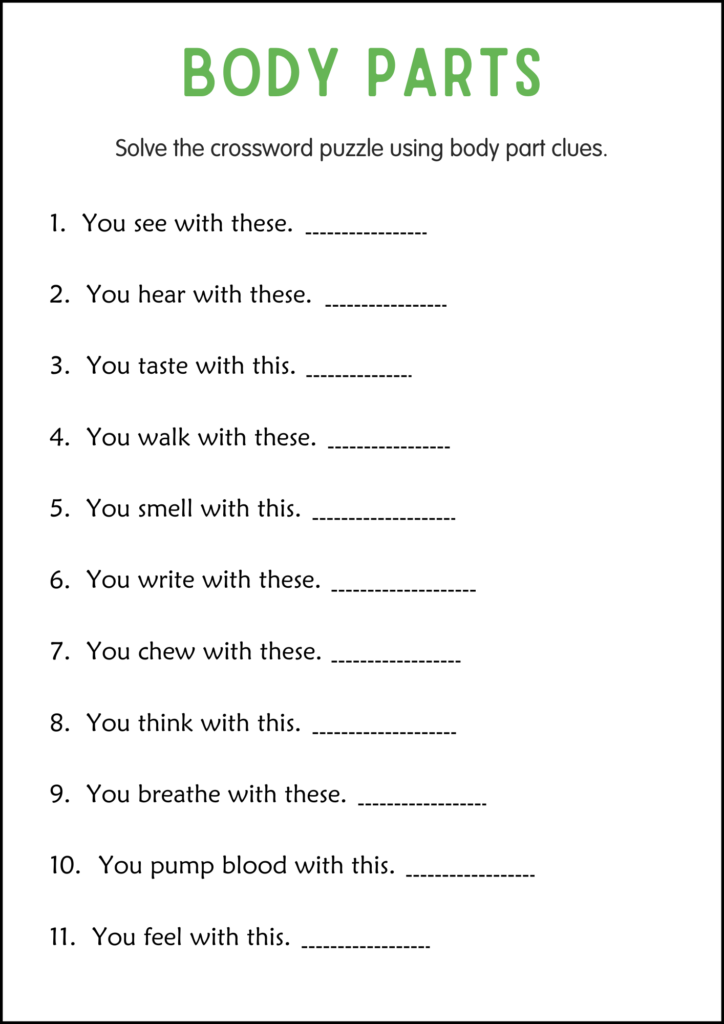
If you are working at home, you can turn these exercises into a fun scavenger hunt where children label their toys or even their own shirts with sticky notes. Matching the written word from the worksheet to the actual location on their body helps bridge the gap between abstract symbols and concrete reality. This method of reinforcement ensures that the vocabulary stays with them, making these kindergarten worksheets a highly effective way to teach both literacy and biological awareness.
Consistency is truly the secret ingredient when it comes to early education and building writing stamina. By setting aside a short, consistent block of time for these activities, you help children view writing as an enjoyable part of their day rather than a chore. Whether you are a teacher looking for supplemental material or a parent seeking quiet learning opportunities, these resources are designed to be accessible, effective, and deeply beneficial for young learners as they navigate their educational journey.
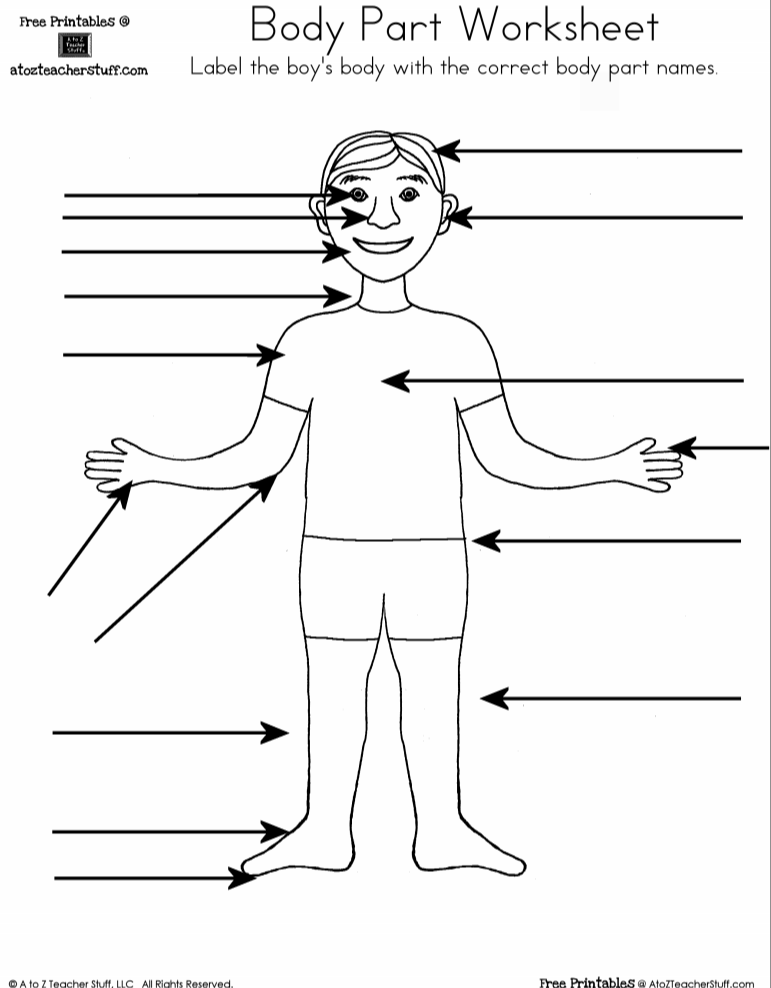
Integrating these printable activities into your curriculum provides a fantastic foundation for both physical and mental growth. By focusing on simple, repeatable tasks, you give children the tools to succeed in a low-pressure environment that celebrates every completed page. As they grow more confident in their ability to label their own bodies and master letter forms, they will be much better prepared for the complex writing tasks that lie ahead in their elementary school years.