Teaching preschoolers to recognize and count beyond ten is a huge milestone in early childhood development. This transition introduces them to double-digit numbers, which can be tricky but fun with the right tools.
When children first start exploring numbers, they usually master counting objects up to ten quite quickly. Moving into the teens often requires a bit more intentional practice, which is why I created a specialized number 11 worksheet for preschool learners. This resource is designed to help students bridge the gap between simple counting and recognizing the visual structure of eleven, ensuring they feel confident as they progress through their early math curriculum.
Why Use a Number 11 Worksheet for Preschool
This worksheet is specifically tailored for children aged four to five who are currently working on number recognition and early writing skills. By using a clean, uncluttered layout, the printable helps young students focus entirely on the symbol eleven without becoming overwhelmed by complex instructions. It serves as a perfect supplement for teachers looking to reinforce classroom lessons or for parents wanting to support their child’s math journey at home during quiet learning time.
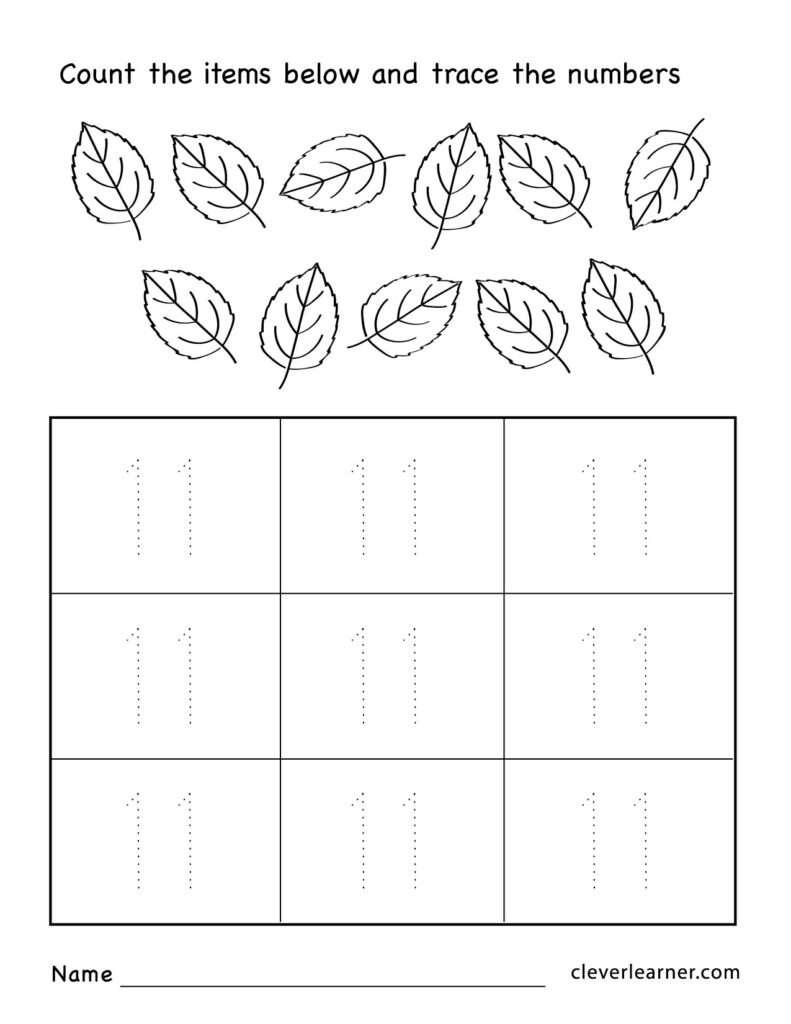
Beyond just writing digits, the activity includes counting exercises that align with common core foundations for kindergarten readiness. It provides a structured way to practice fine motor skills through tracing, while also helping children associate the written numeral with a corresponding quantity of items. This multi-sensory approach is effective because it forces the child to think about what the number actually represents in the real world.
Effective Ways to Use This Printable
To get the most out of this resource, I recommend sitting down with your child and turning the activity into a short, positive interaction rather than a chore. You might start by having them count out eleven small objects, such as plastic bears, buttons, or blocks, before they even pick up a pencil to write. Connecting the physical act of counting to the written symbol helps solidify the concept in their developing minds, making the abstraction of math feel much more concrete.
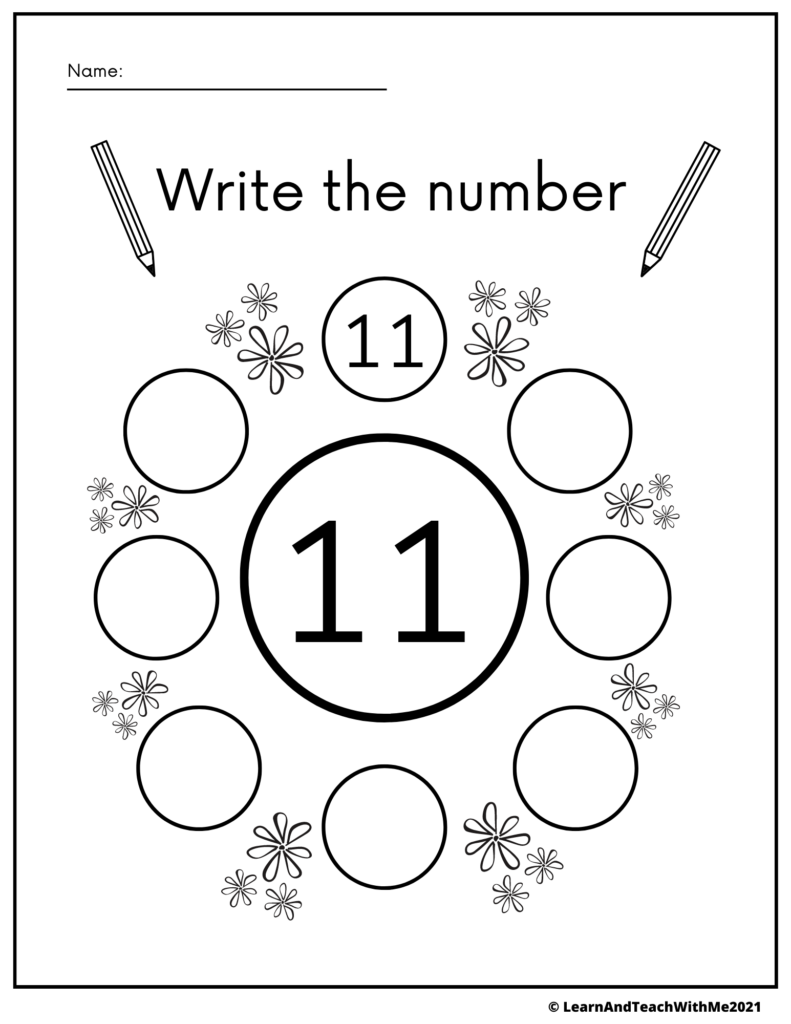
Another great strategy is to laminate the sheet so that it can be used repeatedly with dry-erase markers, which is always a hit with toddlers and preschoolers. If the child makes a mistake, they can simply wipe it away and try again, which lowers the pressure and encourages a growth mindset. Once they finish the worksheet, you can transition to a quick scavenger hunt around the house to find eleven of their favorite toys to reinforce the lesson one last time.
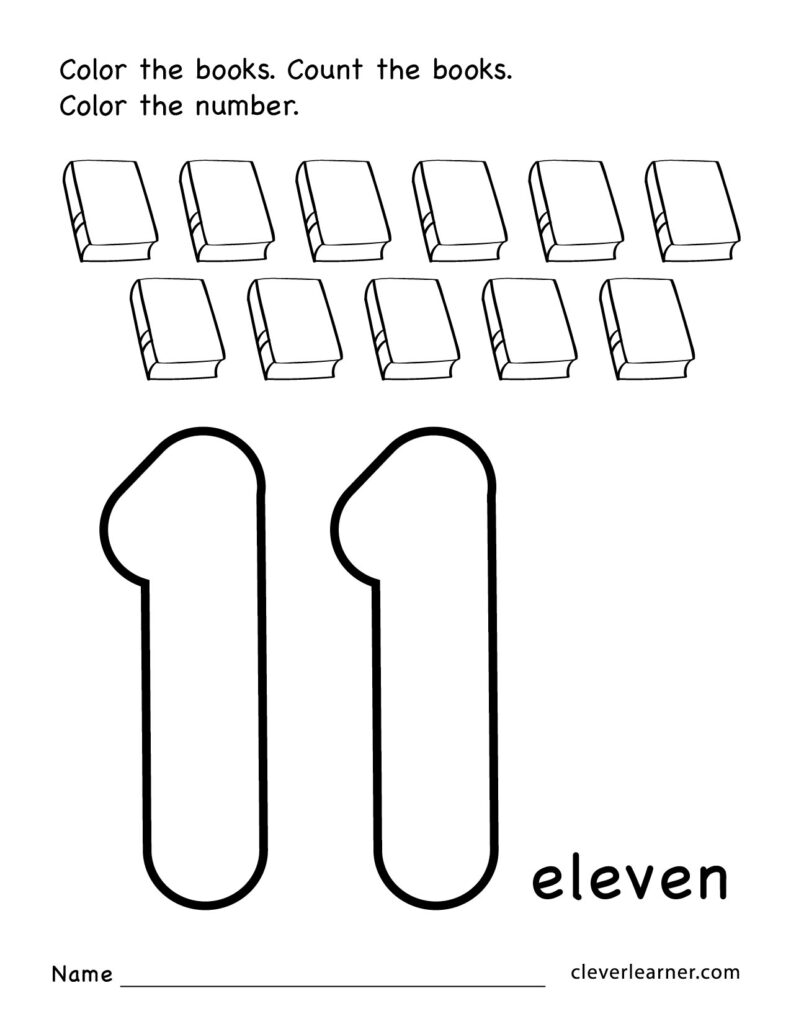
Consistent practice with numbers helps improve a child’s concentration and builds foundational numeracy skills that serve as the bedrock for later arithmetic. By focusing on one number at a time, we allow preschoolers to master the concept of teen numbers at a pace that feels achievable and rewarding. This repetition helps build muscle memory for handwriting and reinforces the sequence of numbers in their correct order.
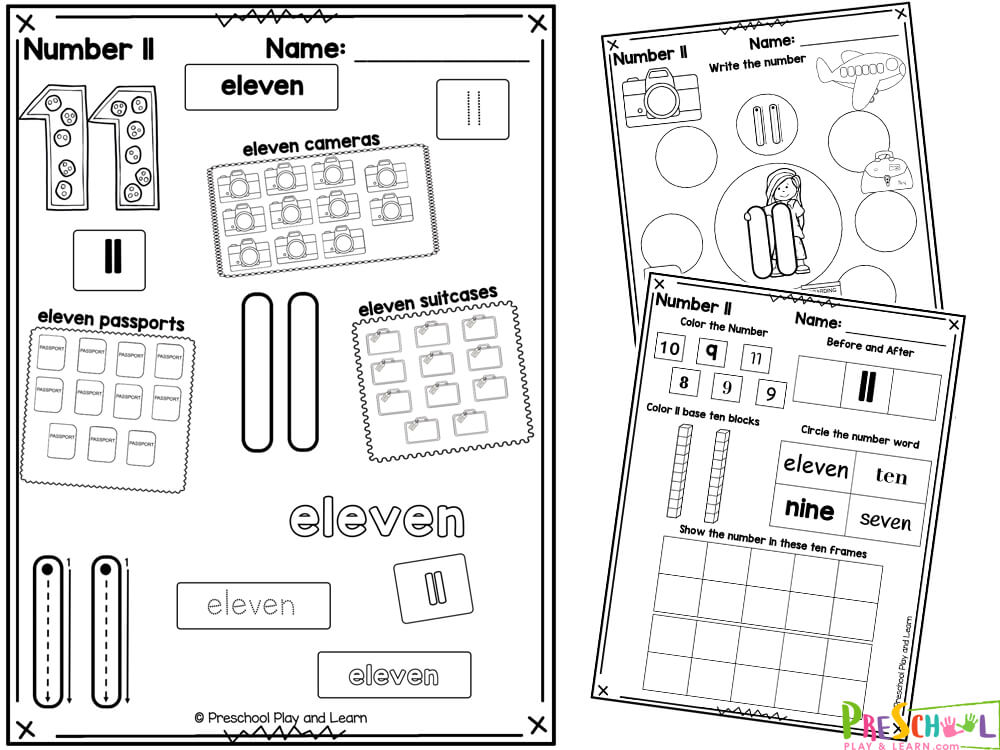
In addition to building number sense, these activities provide a quiet moment of focus that can be very grounding for energetic young learners. Engaging with a worksheet allows children to practice self-regulation while they work through the exercises at their own speed. Seeing their own progress as they successfully trace or count is a wonderful confidence booster that encourages them to approach future math challenges with a sense of excitement and capability.
Whether you are a classroom teacher managing a busy group or a dedicated parent guiding your child at the kitchen table, small, targeted resources make a massive difference in early education. By making math a part of their daily routine, you are setting your learner up for long-term success. I hope this number 11 worksheet becomes a helpful part of your teaching toolkit as you watch your child grow and learn every single day.