Exploring mathematical concepts in preschool might seem daunting, but it is often as simple as comparing sizes. By using a scale factor worksheet with answers pdf, you can help young learners begin to grasp how objects can change in size while keeping their shape perfectly intact.
## Exploring the Scale Factor Worksheet with Answers PDF
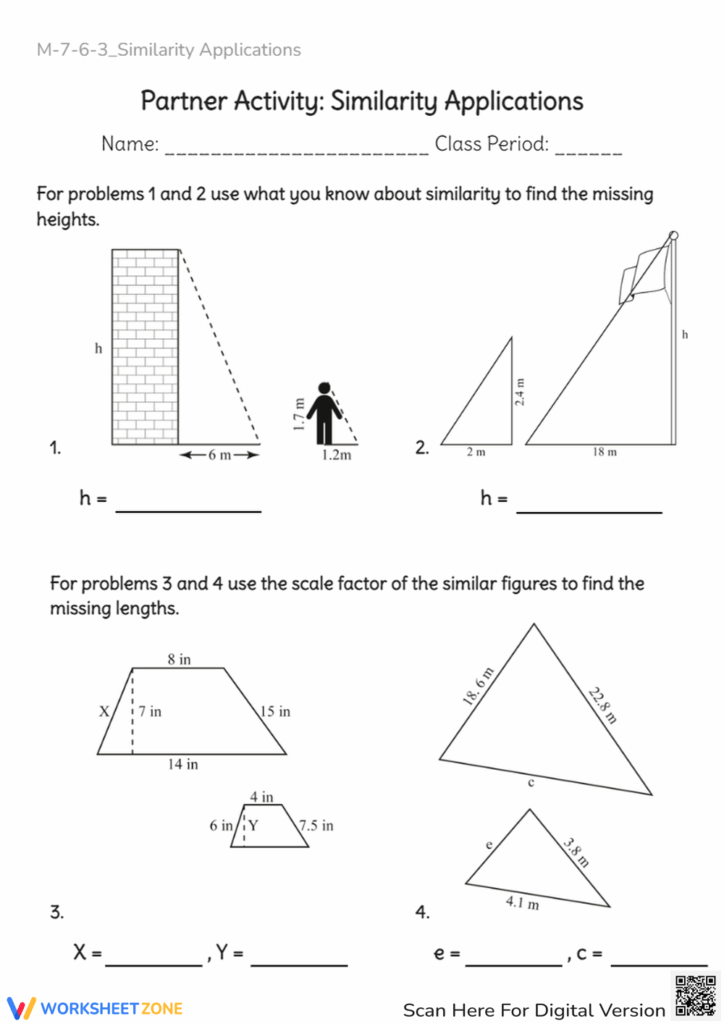
When we talk about scale factors with preschoolers, we are really just talking about the relationship between big and small. This concept is a wonderful way to introduce early geometry, as it encourages children to look at shapes and pictures with a more critical eye. By using a carefully designed scale factor worksheet with answers pdf, you provide a structured yet gentle way for children to see how a small triangle can grow into a larger one, or how a square maintains its properties even when it expands. It bridges the gap between simple matching games and more formal mathematical thinking, giving children a vocabulary for what they are already observing in the world around them.
What children practice with scaling
Working through these pages helps children refine their visual discrimination, a vital skill for reading and identifying numbers later on. As they trace or draw, they are also engaging their fine motor skills, which are essential for holding pencils and crayons correctly. Furthermore, this activity reinforces the idea of proportions, helping children understand that a drawing can represent the same object regardless of its physical size. It is a quiet, focused task that complements active play by offering a moment of calm reflection on spatial relationships.
### How to introduce the activity
To begin, I always suggest starting with physical objects before moving to the paper. You might take two toy cars of different sizes and talk about how they look the same but have different dimensions. Once the concept of a 'big' and 'small' version of the same thing is established, presenting a scale factor worksheet with answers pdf becomes much less intimidating for a child. I find that sitting alongside the child and pointing to the shapes while asking questions like 'Which one is the larger twin?' helps them feel supported as they begin the work.
### Fun ways to boost engagement
You can easily make this time more enjoyable by turning it into a creative storytelling session. Ask the child to imagine the small shape is a tiny house and the larger one is a giant castle, or use colorful markers to make the 'scaled up' versions look like vibrant patterns. If a child feels stuck, try using building blocks or playdough to create the shapes first so they have a tactile reference point. Keeping the environment relaxed and playful ensures that the focus remains on curiosity rather than just finishing the page, which is the heart of early childhood education.
Benefits of early spatial learning
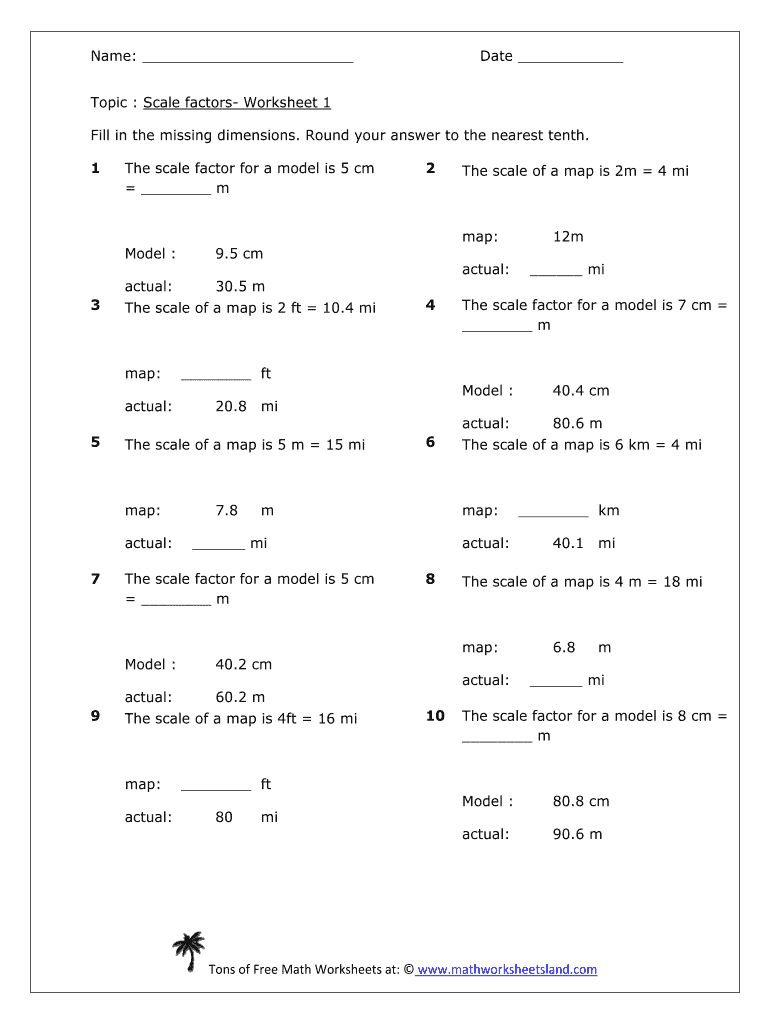
Developing these spatial skills early on provides a solid foundation for more complex geometry in kindergarten and beyond. When children practice identifying how one object relates to another, they are building the cognitive pathways necessary for logical reasoning. Using a scale factor worksheet with answers pdf is a low-pressure way to build confidence, as having the answers available allows parents or teachers to quickly guide the child if they get confused. This immediate feedback helps prevent frustration and keeps the learning momentum going during your daily lessons.
Beyond the math, these activities are excellent for building patience and attention to detail. Preschoolers are naturally inquisitive, and giving them a 'puzzle' like a scaling task taps into their desire to figure out how things fit together. Whether you are using these sheets in a busy classroom or at the kitchen table for homeschool time, the consistency of these exercises helps establish a rhythm. It is truly rewarding to watch a child notice the difference between shapes and then successfully identify or replicate them on their own.
Remember that every child learns at their own pace, so feel free to adapt these exercises as needed. You might find that some children prefer to color the shapes first, while others want to jump straight into the drawing part. Providing a variety of tools, like thick pencils, gel pens, or even glitter glue, can transform a simple worksheet into a fun art project. By keeping the tone light and encouraging, you turn these small academic goals into a shared moment of discovery that strengthens your bond with the learner.
Ultimately, the goal of these activities is to spark a love for discovery. Whether you are using a printable scale factor worksheet with answers pdf to supplement your curriculum or just looking for a quiet rainy-day activity, you are helping children build essential skills for their future. Keep exploring, keep questioning, and most importantly, keep having fun with the little ones as they grow and learn each day.