Integrating literacy and numeracy is a fantastic way to keep young learners engaged. This printable combines essential counting practice with letter recognition, offering a fun, thematic way for children to strengthen their foundational math skills.
This worksheet for letter h is specifically designed for preschool and kindergarten students who are beginning to bridge the gap between alphabet identification and early math concepts. By featuring images that begin with the letter H, such as hearts, hats, or houses, the activity makes the learning process feel cohesive and purposeful. Teachers and parents often find that thematic worksheets help children stay focused, as they are not just staring at abstract digits but connecting those numbers to familiar objects in their world.
Developing Foundational Math Skills
The primary goal of this math printable is to improve number recognition and one-to-one correspondence, which are critical milestones in early math development. As children count the objects on the page and record the corresponding number, they are also practicing fine motor control by writing the numerals. These printable worksheets help reinforce the sequence of numbers, ensuring that young learners understand that each digit represents a specific quantity of items found within the H-themed illustrations.
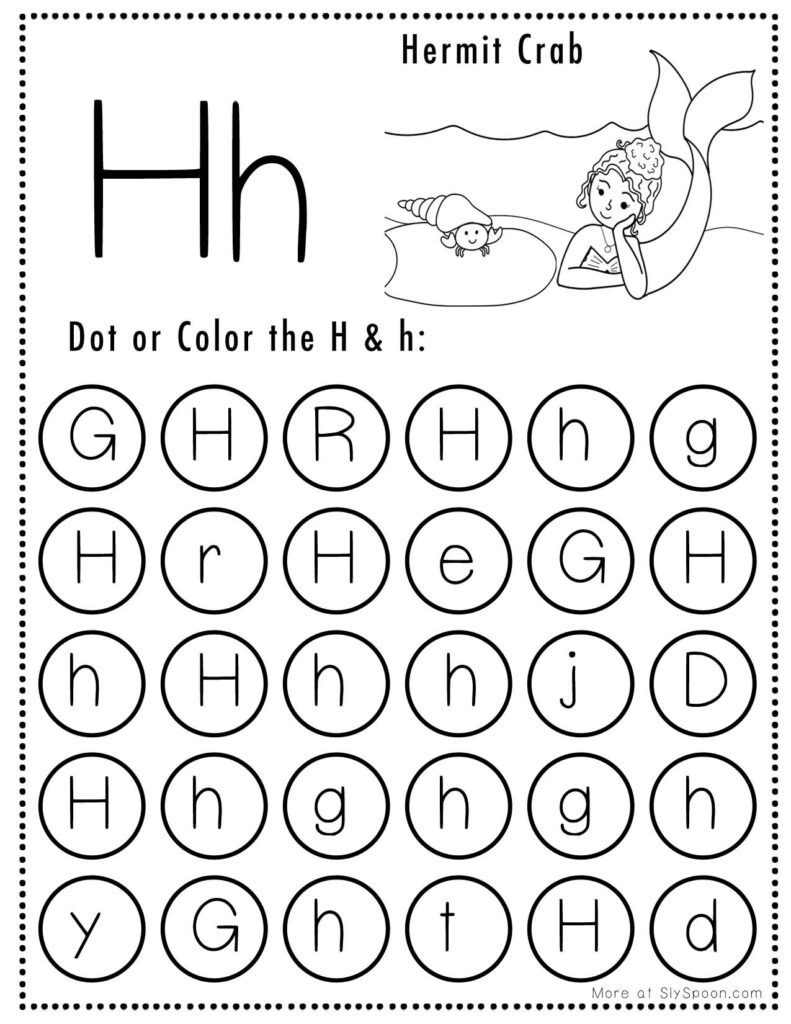
For a smooth classroom experience, I recommend using this activity during morning table time or as a transition task between larger lessons. If you are homeschooling, you can use the sheet as a gentle warm-up before moving into more complex subjects. Because it is a simple, low-pressure task, it is perfect for building confidence in students who might otherwise feel intimidated by kindergarten math. You can even tuck the finished page into a binder to create a progress portfolio that shows how much their counting practice has improved over the semester.
Encouraging children to interact with the page beyond just using a pencil can make the activity significantly more memorable. Try having them place a physical object, like a button or a plastic bear, over each item as they count it to ensure they do not skip any in the group. Once they have counted the items and written the number, you can ask them to trace the letter H at the top of the page again to keep the phonics connection fresh. This multisensory approach is highly effective for preschool math learners who thrive on tactile stimulation.
Hands-On Complementary Activities
To extend the learning, consider organizing an H-themed scavenger hunt around your home or classroom. Ask the children to find three hats, five houses, or eight hearts and arrange them in a line to practice their counting skills in a three-dimensional space. You could also use building blocks to construct a letter H and then count how many blocks it took to build the structure. These activities turn abstract math concepts into a physical game that children can relate to easily.
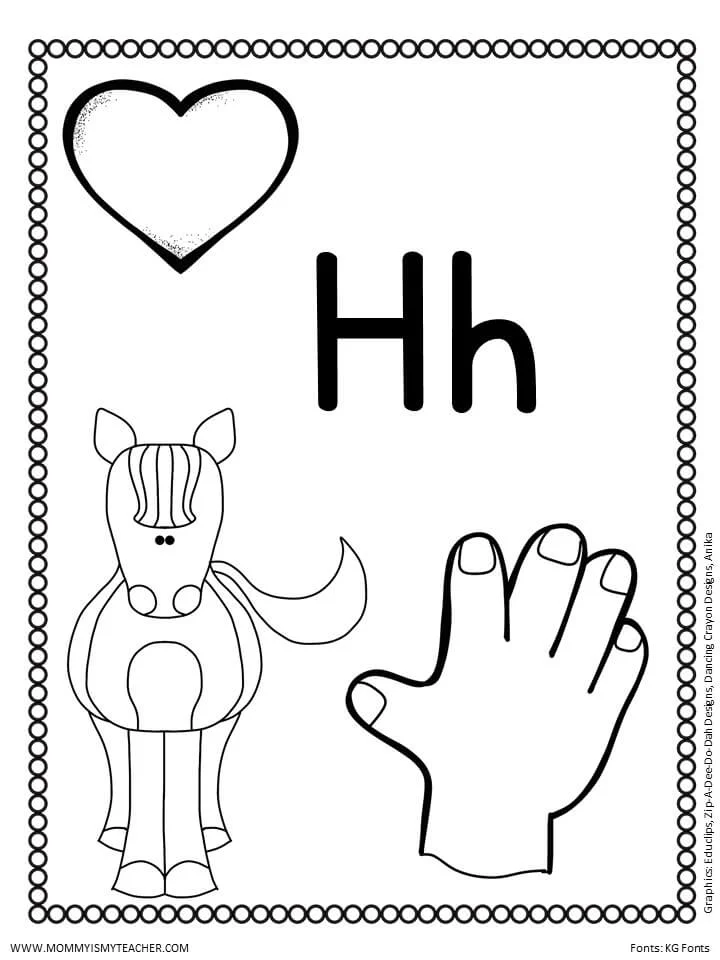
Another excellent way to pair this worksheet with physical play is by creating an H-box filled with small toys or household items that start with the letter. Have the child sort the items into groups and count how many are in each pile before they tackle the written exercises on the sheet. This reinforces the idea that math is present in our everyday environment, not just on paper. By connecting the letter of the day to concrete quantities, you are helping your students internalize these concepts much faster than with rote memorization alone.
If you are working with children who are ready for a greater challenge, you can ask them to draw their own set of H-items on the back of the page and write the corresponding number next to them. This simple creative step encourages them to synthesize what they have learned and apply it independently. It is wonderful to see how these small, intentional activities can spark a genuine interest in math and literacy simultaneously, turning a standard practice session into a moment of discovery.
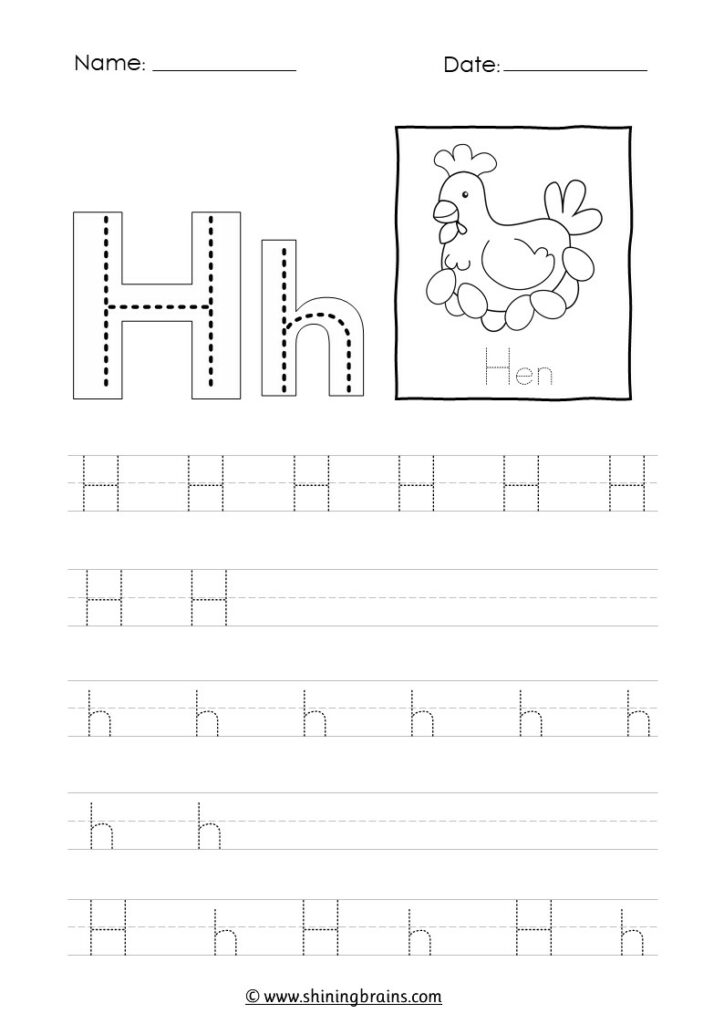
Whether you are a teacher planning your weekly curriculum or a parent looking for quiet enrichment at home, these types of activities are versatile and effective. You will find that regular engagement with these, combined with hands-on play, creates a robust foundation for more advanced concepts in the future. Enjoy the process of watching your little ones grow more comfortable with numbers and letters every single day as they build their skills through these playful, thematic challenges.