Teaching young children the foundations of literacy while fostering emotional well-being is a rewarding challenge. Our latest printable resource combines these goals, offering a unique self care worksheet that makes learning the alphabet a meaningful experience for little learners.
Enhancing Literacy with a Self Care Worksheet
This resource is designed to bridge the gap between early phonics and emotional intelligence by linking letter recognition to positive habits. As children trace and identify letters, they engage with vocabulary centered on wellness, helping them internalize the sounds and shapes of the alphabet. By integrating these two concepts, educators can provide a balanced approach to early childhood development that feels both educational and deeply supportive.
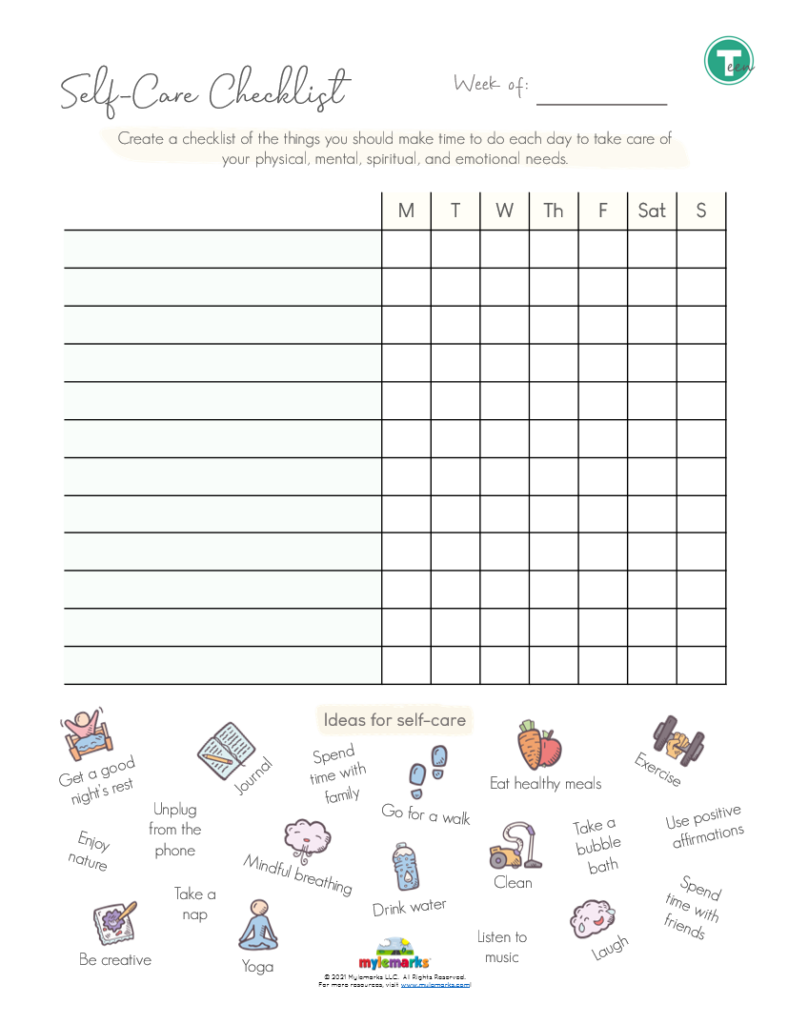
Through this activity, students practice essential letter recognition and fine motor skills necessary for future handwriting success. Children are tasked with identifying both uppercase and lowercase letters, which reinforces the visual patterns needed for reading. This repetition is crucial for preschoolers and kindergarteners as they build the cognitive pathways required for automatic letter identification and phonetic awareness.
Classroom Use and Implementation
In a classroom setting, this worksheet serves as an excellent tool for centers or independent morning work. Teachers can introduce the sheet during a circle time discussion about feelings, allowing students to connect the letter of the day to a specific positive action. Because the instructions are visual and straightforward, students can often work through the pages with minimal guidance, allowing the teacher to circulate and provide one-on-one support where it is needed most.
To maximize the benefit of these printable learning activities, consider pairing them with a short mini-lesson. For example, if the letter being practiced is S, you might talk about stretching as a way to practice self-care. This method encourages students to view their schoolwork as a way to care for their own minds and bodies, rather than just another repetitive task to complete before recess.
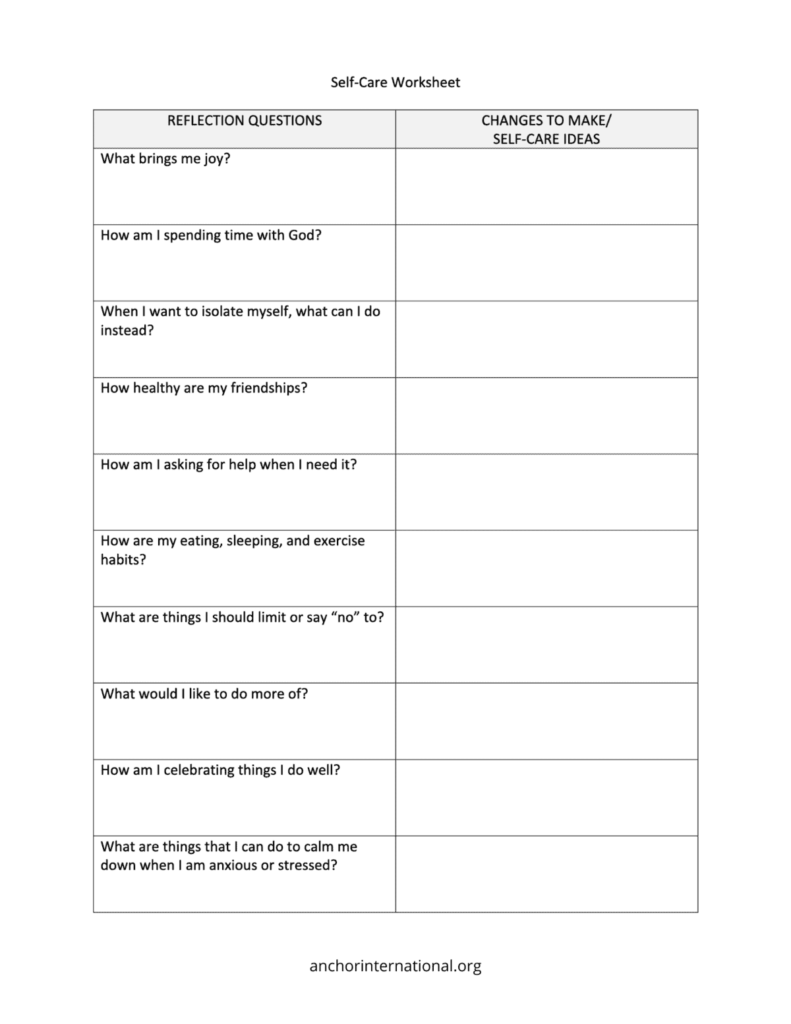
For parents and homeschool families, this worksheet offers a wonderful opportunity for quiet, focused connection. Whether you are working at the kitchen table or in a dedicated learning space, the activity is gentle enough to serve as a calming transition before nap time or after a busy morning of play. Parents can read the prompts aloud, turning the handwriting practice into a collaborative conversation about daily routines and healthy habits.
The benefit of using this in a homeschool environment is the ability to move at the child’s pace without the pressure of a strict classroom timeline. You might spend a longer time discussing the words associated with the letters, which deepens vocabulary and reading comprehension. By keeping the atmosphere light and encouraging, you turn a standard lesson into an exercise in mindfulness that helps children feel successful and capable.
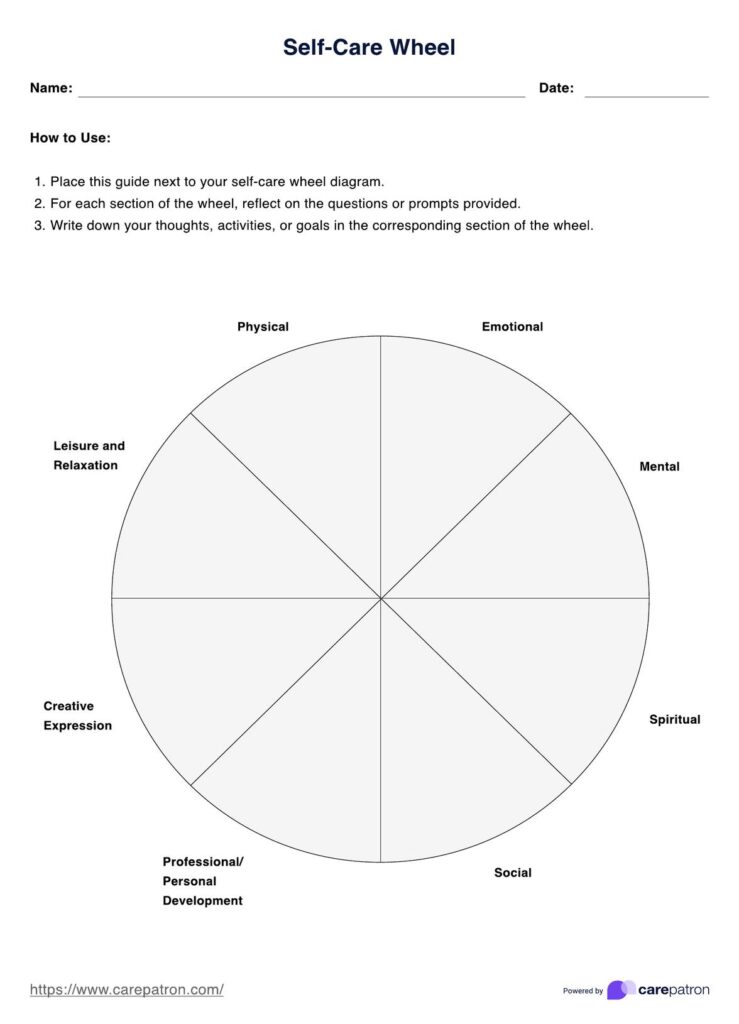
To extend learning beyond the page, try incorporating hands-on movement that reflects the content of the sheet. If the worksheet includes a word like hop, have your child physically hop around the room to count syllables or spell the word out loud. Creating these tactile memories helps cement phonics skills in a way that static papers alone cannot, ensuring that the lesson stays with the child long after the pencil is put down.
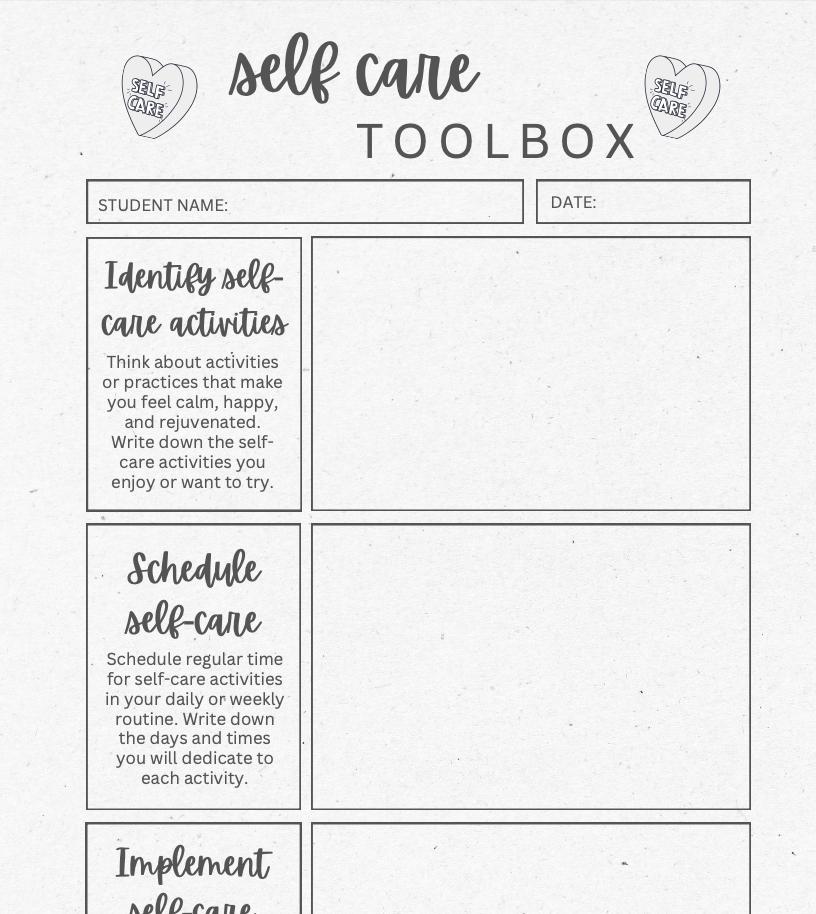
Encouraging children to draw their own pictures of self-care habits is another powerful follow-up activity. By taking the concepts from the worksheet and putting them into their own art, children demonstrate a higher level of cognitive processing and creative expression. These simple, creative extensions transform a basic printable into a comprehensive educational tool that nurtures both the student’s academic progress and their personal well-being.