Teaching children how to recognize money is a fundamental step in developing early math skills and financial literacy. Many students find that visual aids are the best way to bridge the gap between counting simple objects and understanding the value of currency in their daily lives.
Why use an identifying coins worksheet
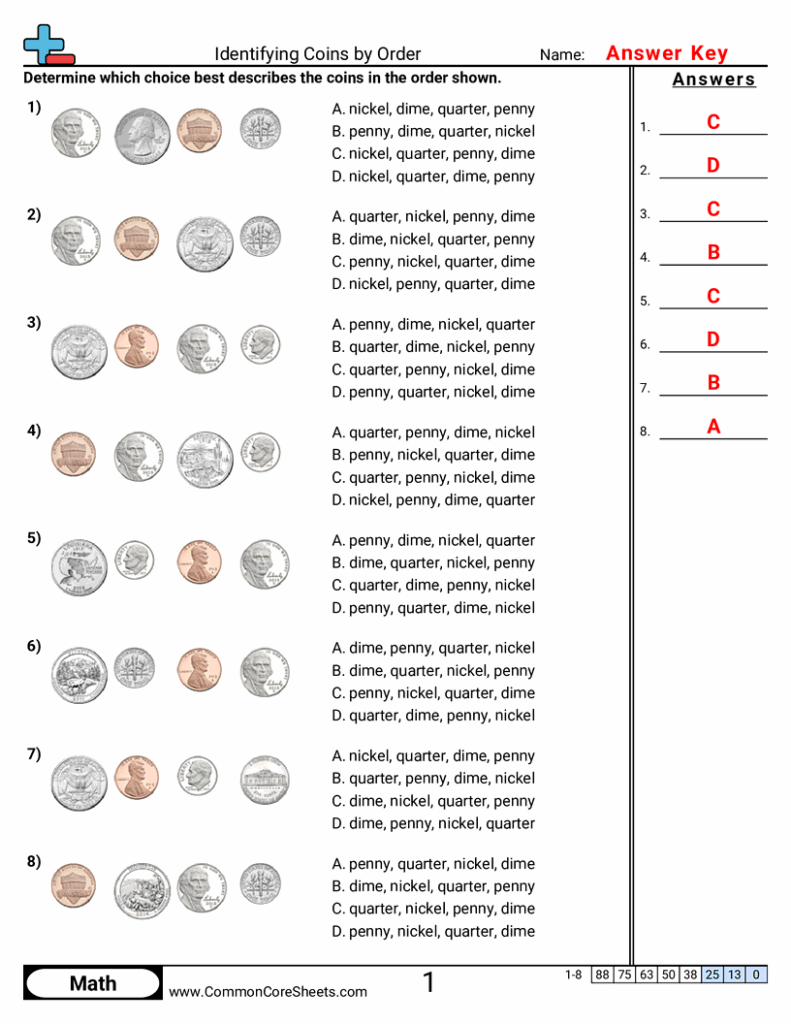
An identifying coins worksheet serves as a structured tool designed specifically for kindergarten and first-grade students who are just starting to explore American currency. By focusing on the unique features of pennies, nickels, dimes, and quarters, these printables allow children to practice observational skills. Instead of just memorizing values, students learn to distinguish between the different sizes, colors, and portraits on each piece of change, which builds a much stronger foundation for future math lessons.
Tips for using money printables effectively
When introducing this material, I always recommend starting with real coins alongside the paper exercises. You can place an actual nickel or quarter on the table so the child can compare the physical texture and weight to the images on the page. This tactile experience helps cement the visual information, making it easier for children to translate what they see on the worksheet to the loose change they might encounter in a piggy bank or a store checkout line.
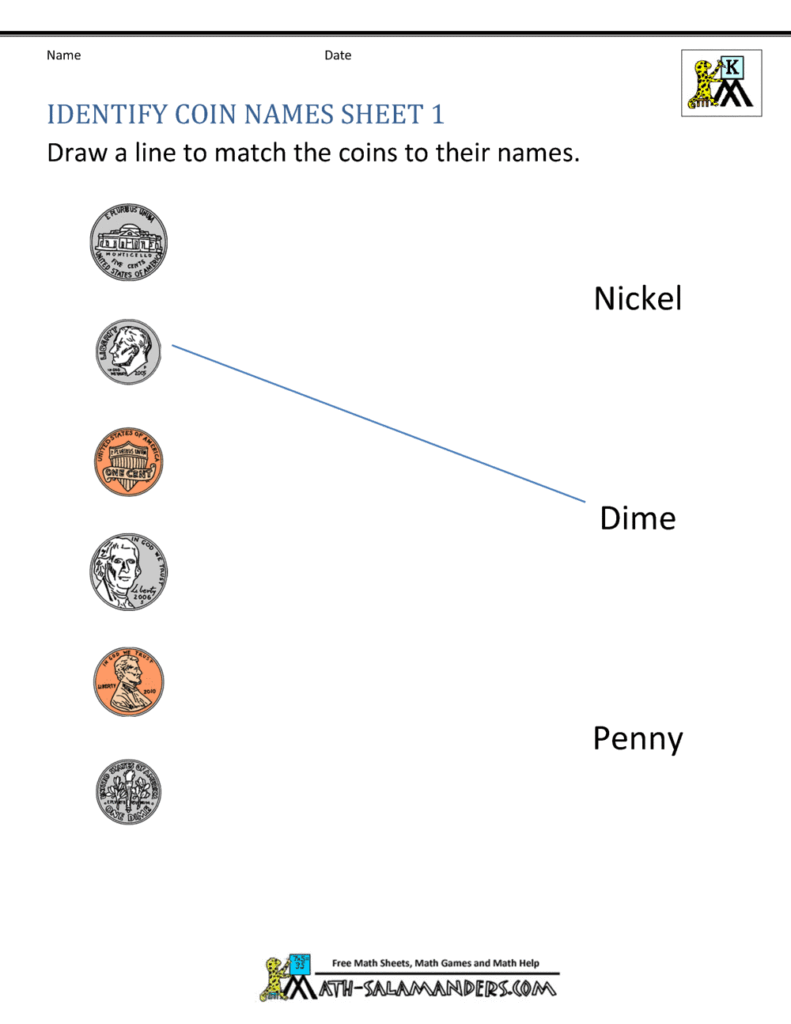
Parents and teachers can also turn these sessions into a game by asking children to sort their own collection of coins after they finish the worksheet. This hands-on extension transforms a standard lesson into a dynamic activity that keeps kids engaged and motivated to learn. You might even consider setting a timer or creating a scavenger hunt where they have to find a specific coin type around the house to match what they just studied on their printed lesson page.
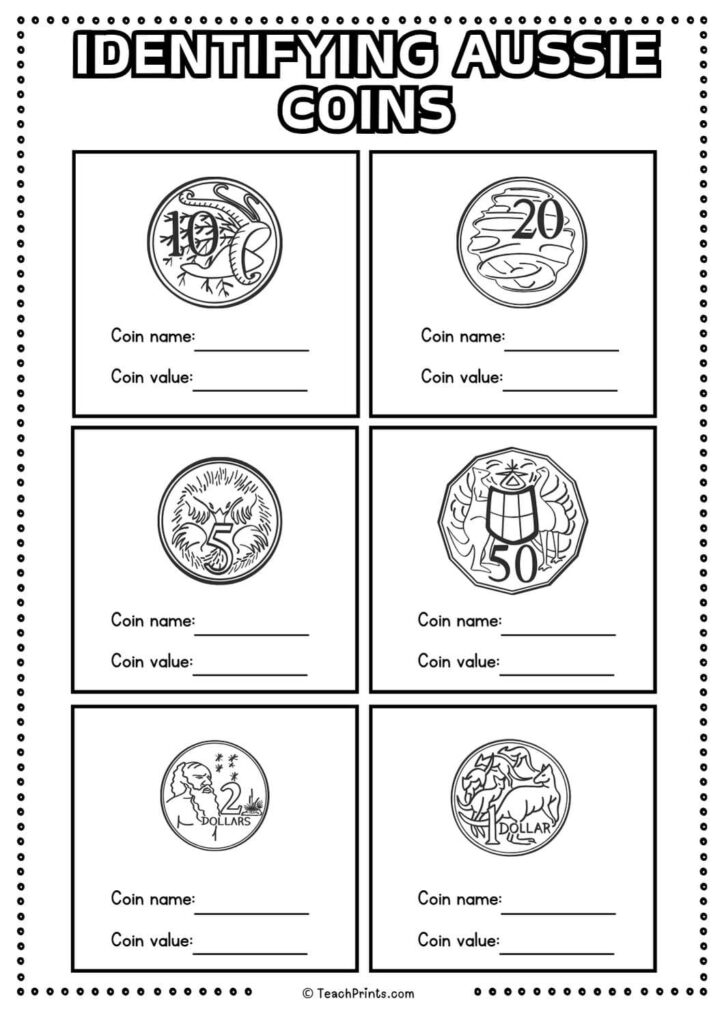
The primary benefit of using a dedicated worksheet is that it provides a distraction-free space for repetitive practice, which is vital for building confidence with money concepts. As children practice identifying the front and back of each coin, they naturally begin to memorize the different names and amounts without feeling overwhelmed by complex addition problems. This gradual approach ensures that they truly understand the identity of the currency before moving on to the more difficult task of counting totals.
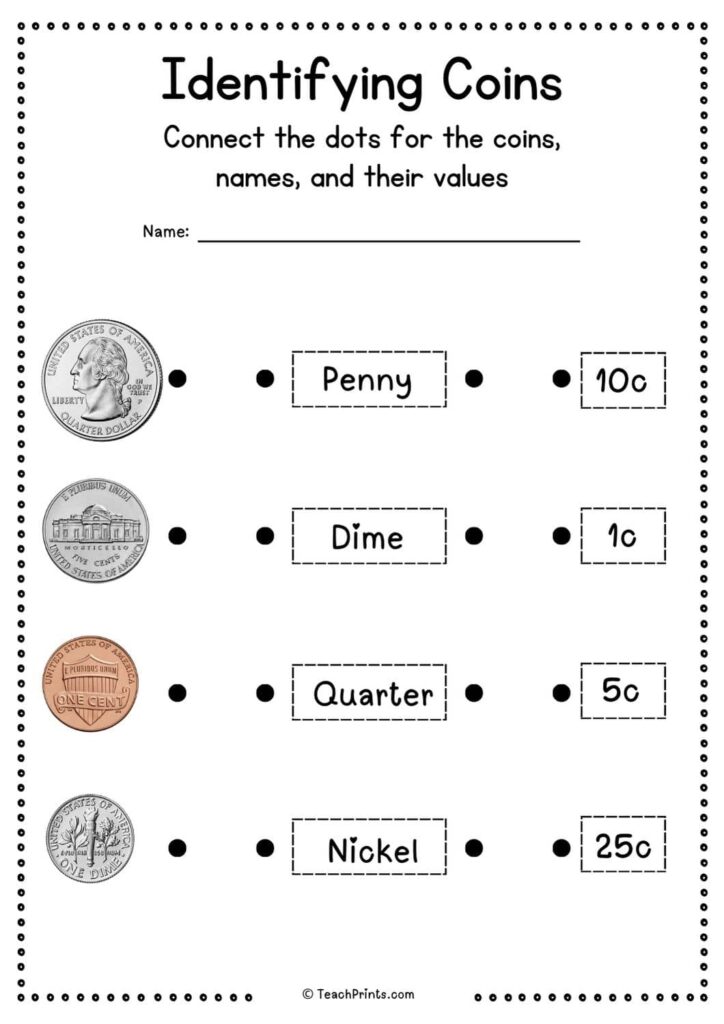
Watching a child realize they have mastered the difference between a dime and a penny is one of the most rewarding parts of the early learning process. By providing the right resources early on, we set them up for long-term success with basic arithmetic and real-world money management. Whether you are homeschooling or just looking for extra help at home, these simple activities create a stress-free environment for children to grow their skills at their own pace.