Early literacy development is a cornerstone of preschool and kindergarten education. Using a thematic community helpers worksheet is a fantastic way to bridge the gap between letter recognition and real-world vocabulary while keeping young learners engaged in their studies.
This specific resource focuses on integrating foundational phonics and handwriting practice into a broader social studies theme. By associating letters with the people who keep our neighborhoods safe and healthy, children build deeper cognitive connections. As they identify the starting sounds of various careers, they simultaneously strengthen their fine motor skills through guided letter tracing and coloring exercises.
Why Use a Community Helpers Worksheet
This activity is perfectly suited for children aged four to six who are beginning their journey into independent reading and writing. During these formative years, students need consistent exposure to letter shapes and sounds to develop fluency. By utilizing a community helpers worksheet, teachers and parents provide a structured environment where children can practice alphabet mastery in a way that feels purposeful rather than like rote memorization.
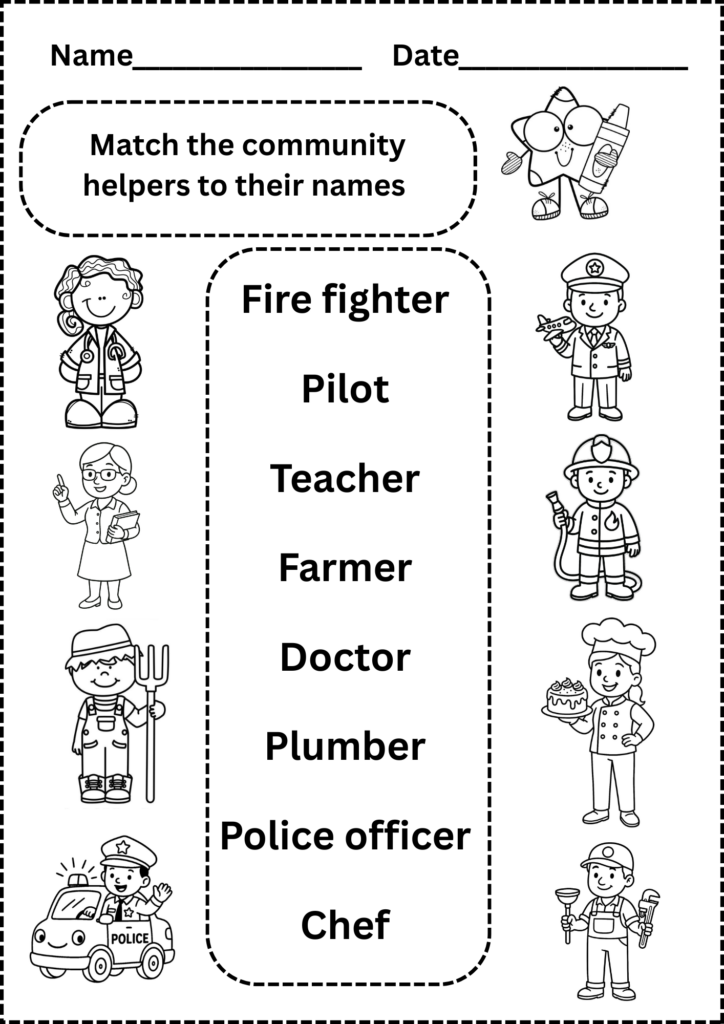
In a busy classroom setting, these printable learning activities serve as excellent warm-up tasks or center rotations. Teachers can use them to assess a student’s progress with pen control or to spark class discussions about local heroes like firefighters, nurses, and mail carriers. Because the tasks are self-contained, they allow educators to work with small groups while other children build independence by completing their sheets quietly at their desks.
For parents and homeschool families, this tool offers a low-stress method for reinforcing school-day lessons. You might sit alongside your child to narrate the stories behind the characters on the page, helping them sound out words like P for Police Officer or D for Doctor. The collaborative nature of these sessions often leads to rich conversations about the importance of helping others, turning a simple writing drill into a valuable life lesson.
Hands-On Extensions for Learning
Once the worksheet is finished, you can transition to kinesthetic activities to solidify the learning process. Consider setting up a dramatic play station where your child can dress up as a community helper and practice writing labels for their pretend office or station. This kinesthetic approach helps children associate the letters they just practiced on paper with actual, functional writing in their daily lives.
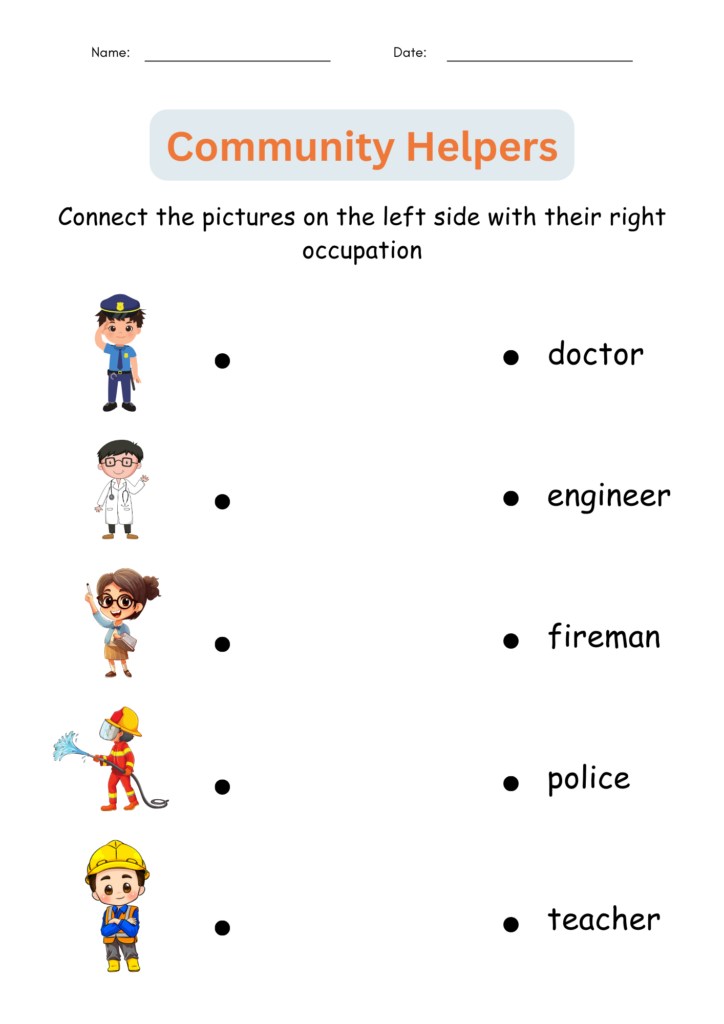
Another effective strategy is to go on a community walk to spot real-life examples of the people featured on the worksheet. While out in the neighborhood, challenge your child to find letters on signs or vehicles that match the ones they practiced earlier. Observing a local library or fire station brings the content to life and reinforces the idea that letters are the building blocks of the world around us.
You can also create a DIY sensory bin filled with flashcards and small figurines of helpers to encourage phonetic matching. By pairing these physical objects with the visual symbols from the worksheet, you provide a multisensory experience that caters to different learning styles. Keeping the lessons diverse ensures that children remain curious and motivated as they continue developing their essential literacy skills.
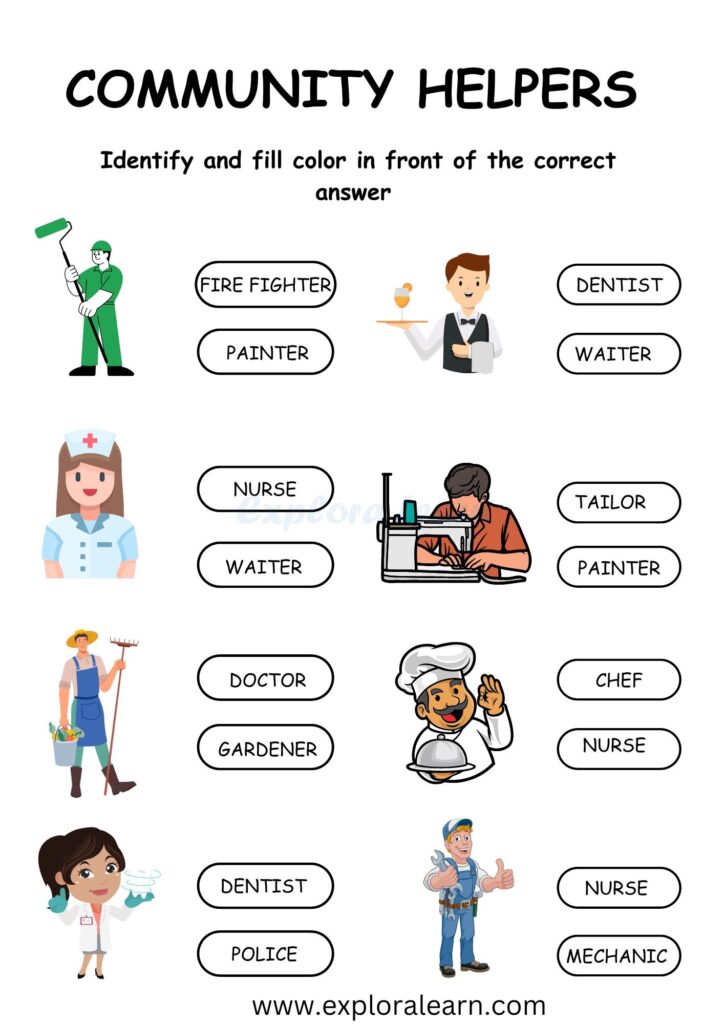
Integrating these thematic materials into your daily routine fosters a love for learning that extends far beyond the classroom walls. Whether you are teaching a group of eager kindergartners or guiding your child at the kitchen table, these simple tools provide the consistency required for academic success. With a bit of creativity, you can turn any basic writing exercise into an exciting exploration of the community members who make our world a better place.