There is a quiet, focused magic that happens when a child sits down to complete a worksheet. It is more than just pencil on paper; it is a moment of discovery where small actions lead to a clear, beautiful picture that sparks a sense of pride and accomplishment in their young minds.
Why Connect the Dots Worksheets Matter
These engaging pages offer so much more than a simple drawing exercise for preschool and early kindergarten students. When children engage with connect the dots worksheets, they are actively practicing number recognition and sequencing in a way that feels like a game rather than a lesson. As they move their pencils from one digit to the next, they build the foundational logic required for understanding how numbers follow a specific, predictable order.
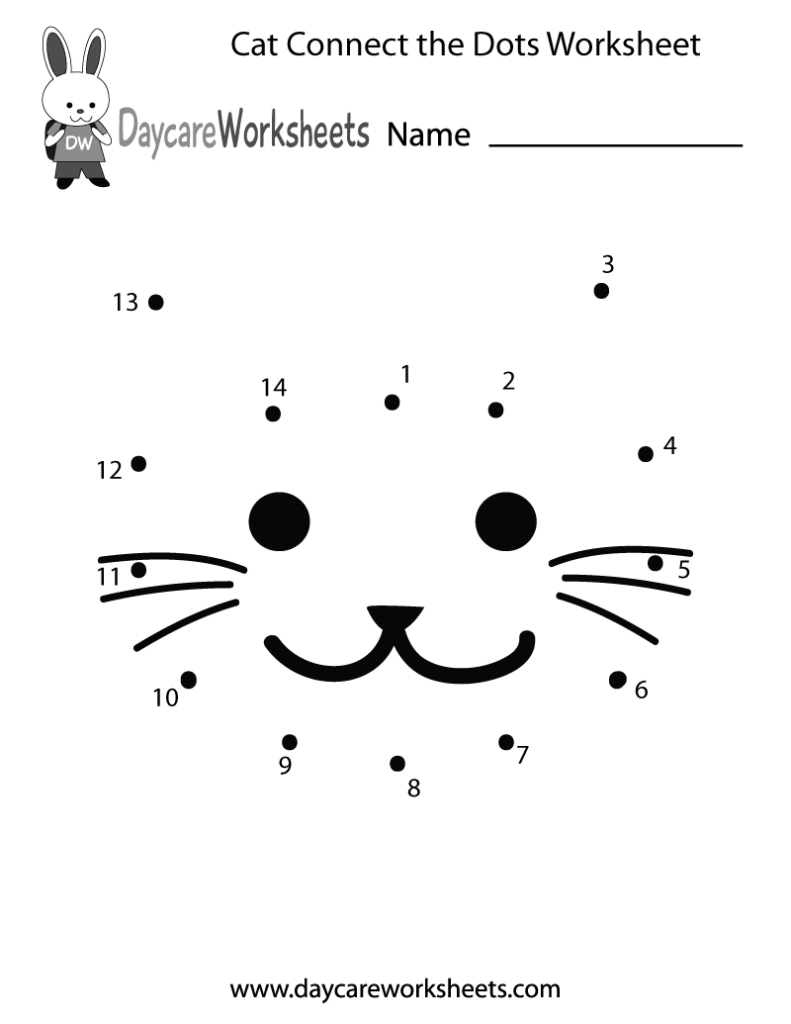
Beyond the math skills, these activities are powerhouses for developing fine motor skills. Holding a pencil or crayon correctly requires grip strength and control, and guiding that tool precisely from dot to dot helps refine those small hand movements. This practice is essential for later writing success, as it helps children learn to coordinate their vision with the physical movements of their hands.
How to Use These Activities Effectively
When introducing a new sheet to your little learners, start by sitting alongside them to model the process. You can point to the first number together and gently guide their hand to the second, helping them find the rhythm of the sequence. If they get stuck or skip a number, use it as a low-pressure opportunity to count out loud together until they find their place again.
Keeping the environment relaxed is key to making this a positive experience for everyone involved. Some children might prefer using a chunky marker or a brightly colored crayon instead of a standard pencil to make the lines stand out more clearly. By allowing them to choose their own colors, you give them a sense of ownership over their work, which often leads to longer periods of focus and engagement.
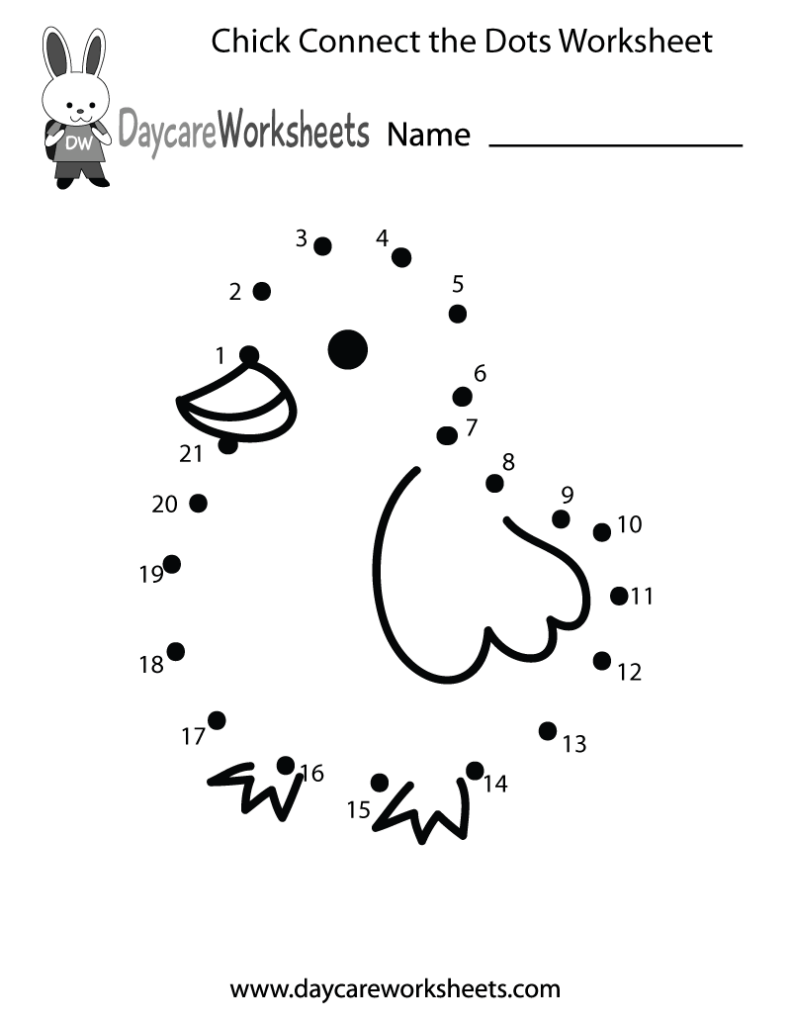
You can transform this quiet activity into a multi-sensory experience by connecting the drawing to a larger lesson or theme. If the finished image is a butterfly, spend a few minutes talking about nature or reading a short story about insects before they begin. This extra context helps children connect the abstract marks on the page to the real world, turning a simple worksheet into a springboard for curiosity.
For classroom settings or homeschool groups, consider laminating a few copies so they can be used with dry-erase markers. This allows children to practice the same path multiple times without the pressure of making a mistake, which builds confidence for those who are still mastering their pencil grasp. When the activity feels like a reusable game, children are often much more willing to try more complex puzzles.
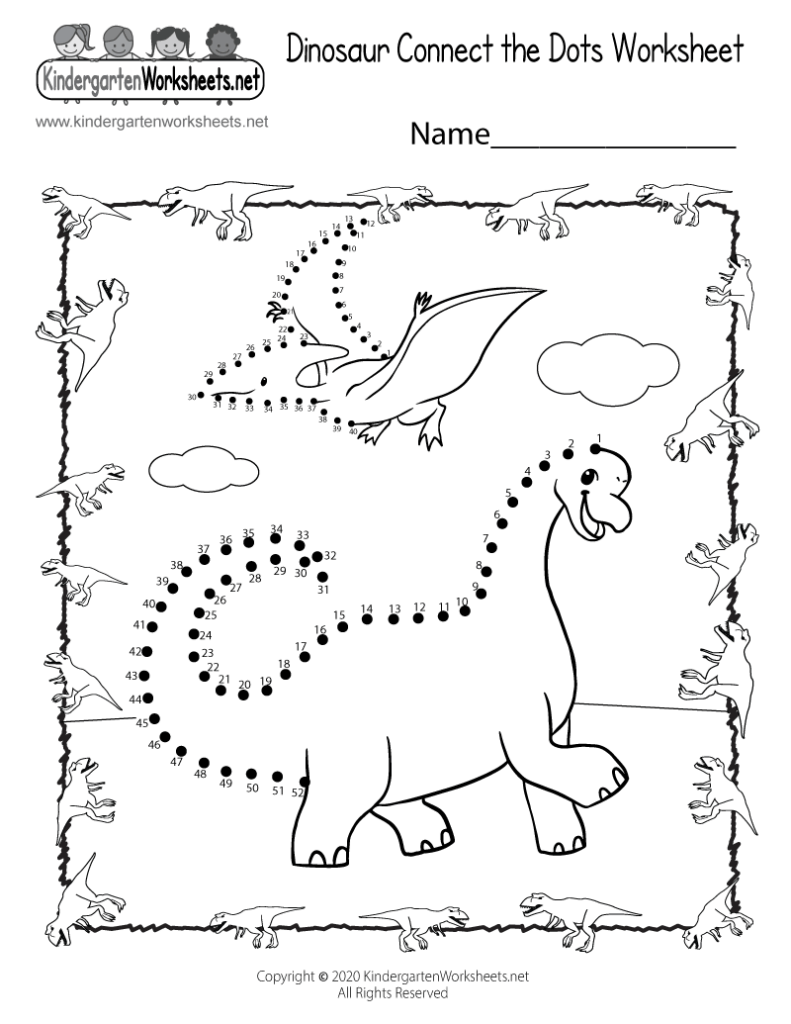
The beauty of these exercises lies in their simplicity and the way they reinforce early learning goals through repetition and visual reward. Watching a child realize that their steady hand has created a recognizable shape is a wonderful milestone that celebrates their growth and persistence. These small, steady steps toward mastering sequences and control are exactly what build a strong foundation for their future academic journey.
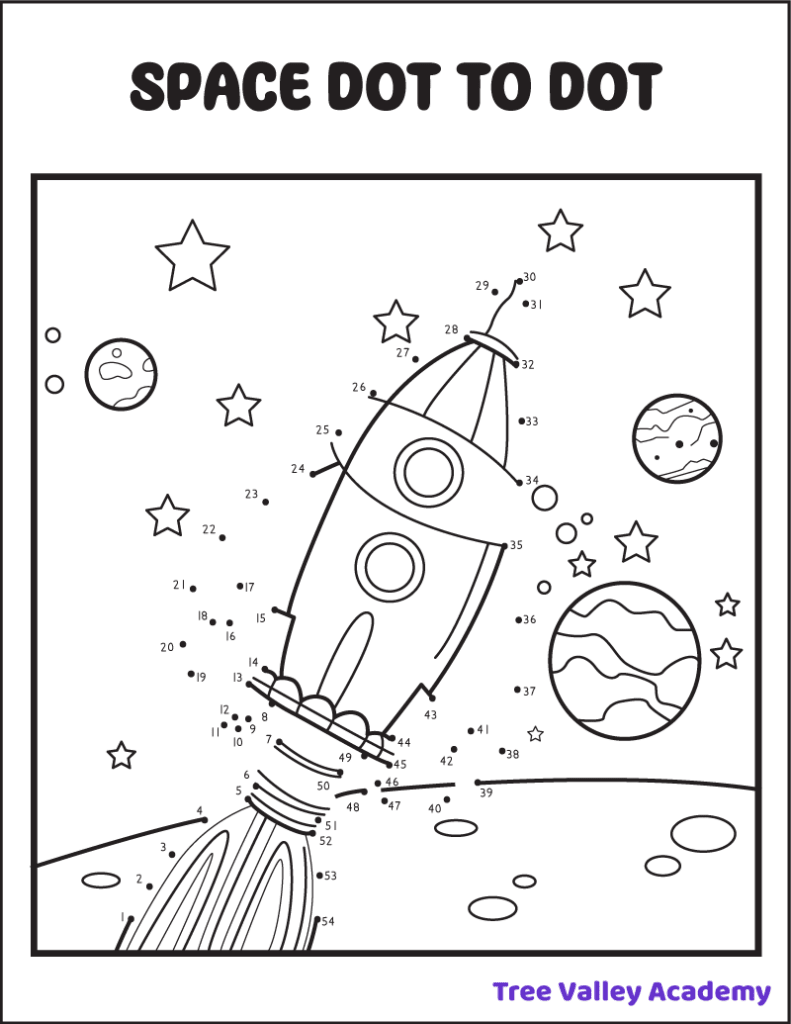
Whether you are a teacher looking for a supplemental classroom activity or a parent seeking a quiet morning task, these simple sheets remain a classic tool for good reason. They invite children to slow down, focus, and enjoy the process of creating something from nothing. With just a little encouragement and a few bright colors, you are helping them develop the skills they need to succeed while keeping the joy of learning front and center.